
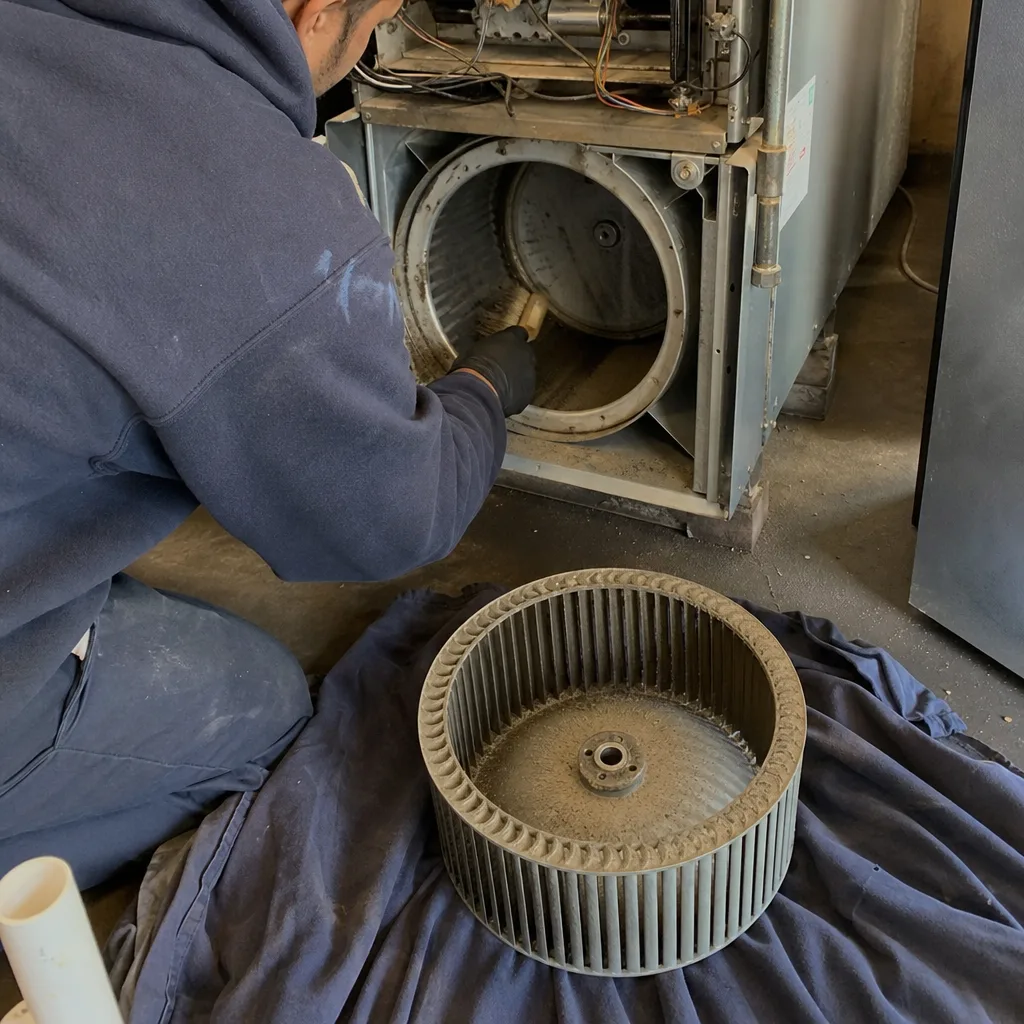
Last updated November 22, 2026
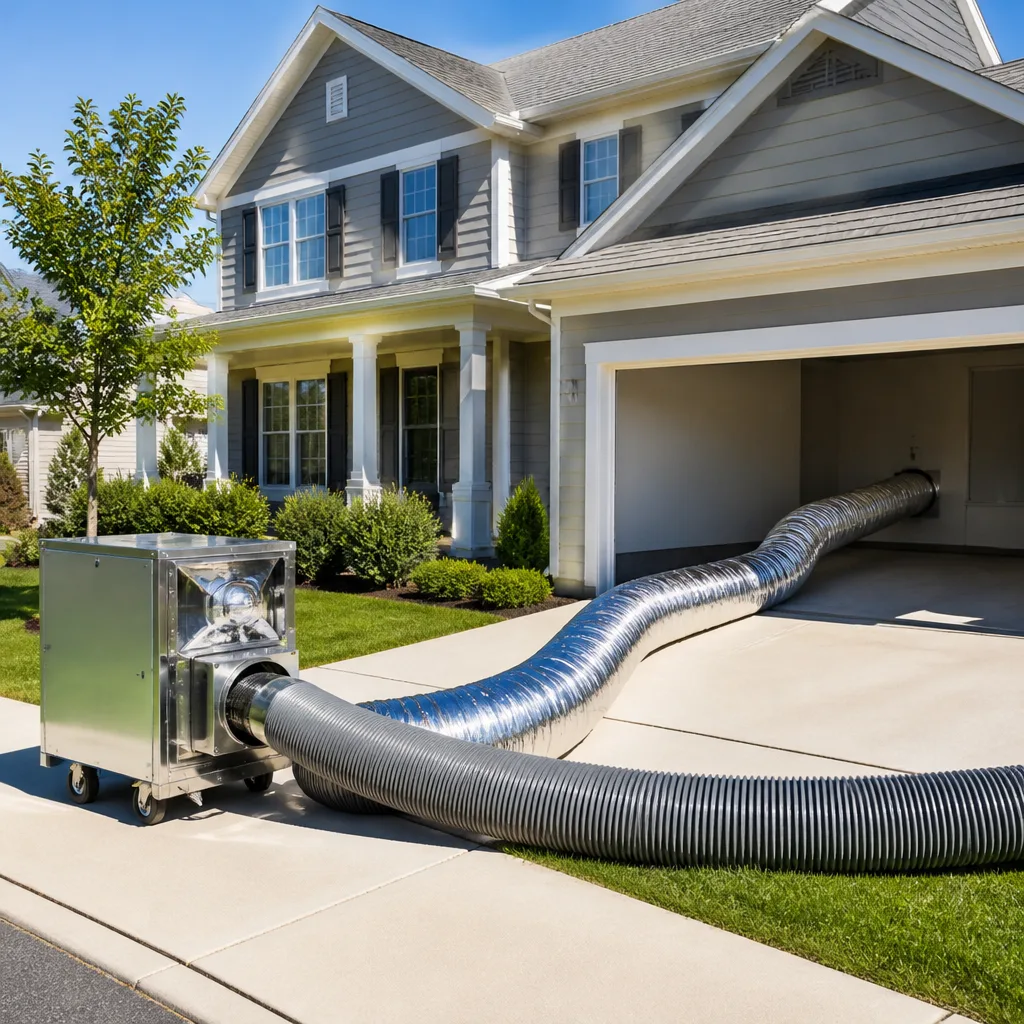 Whole-home duct cleaning
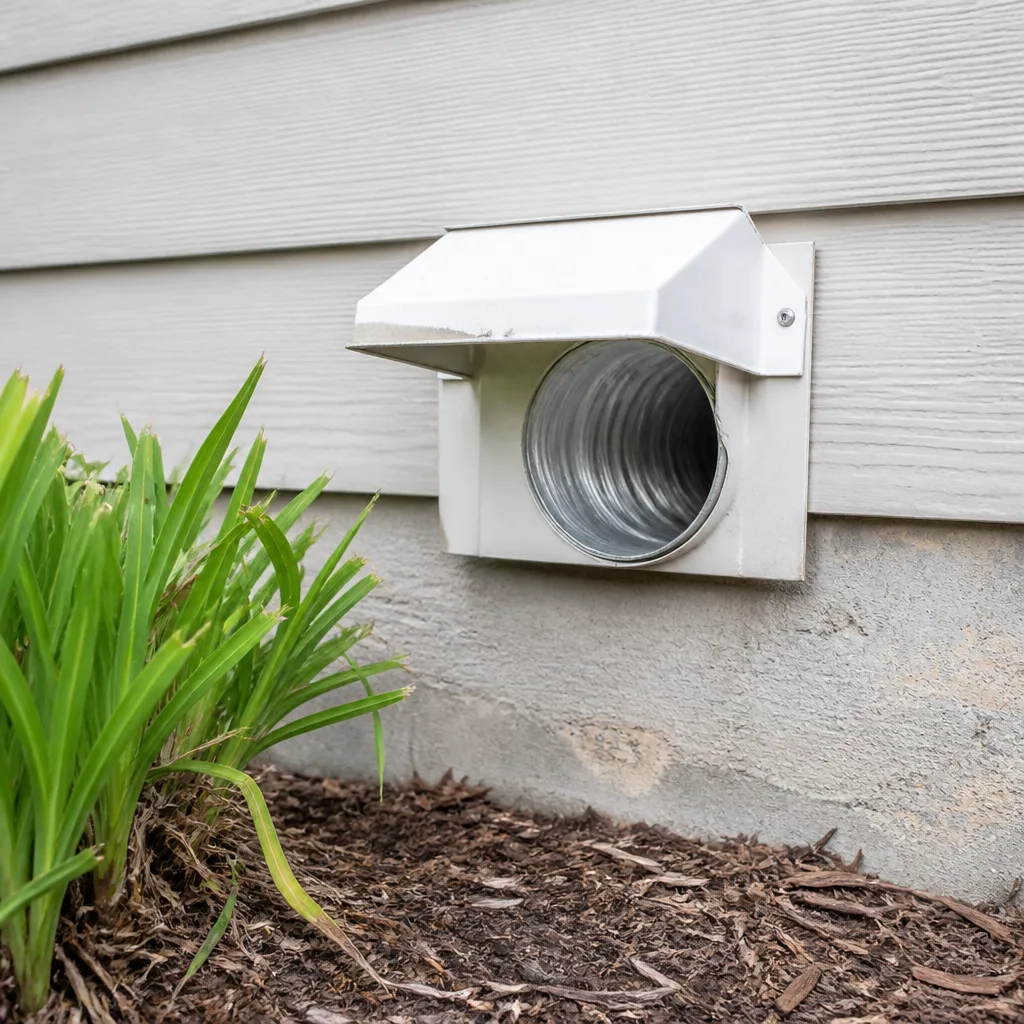 Dryer vent cleaning
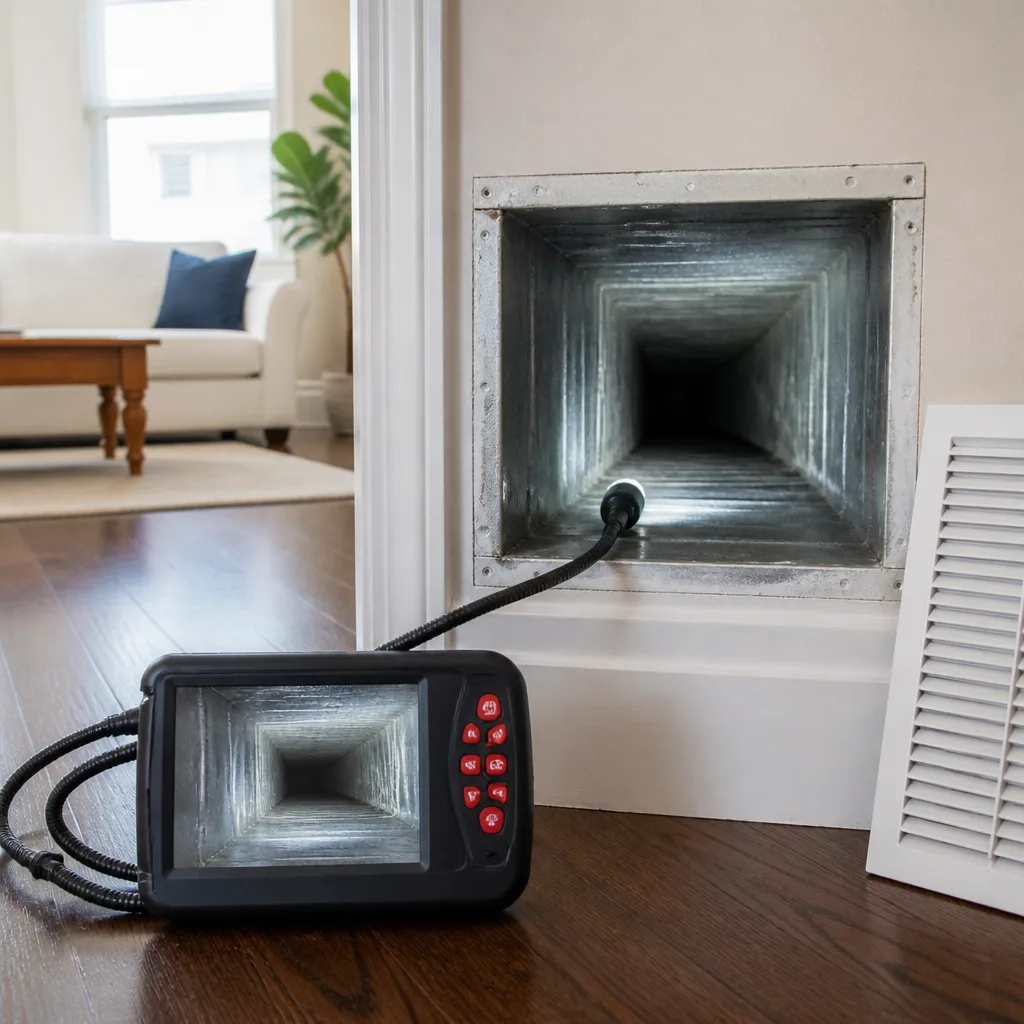 Camera inspection
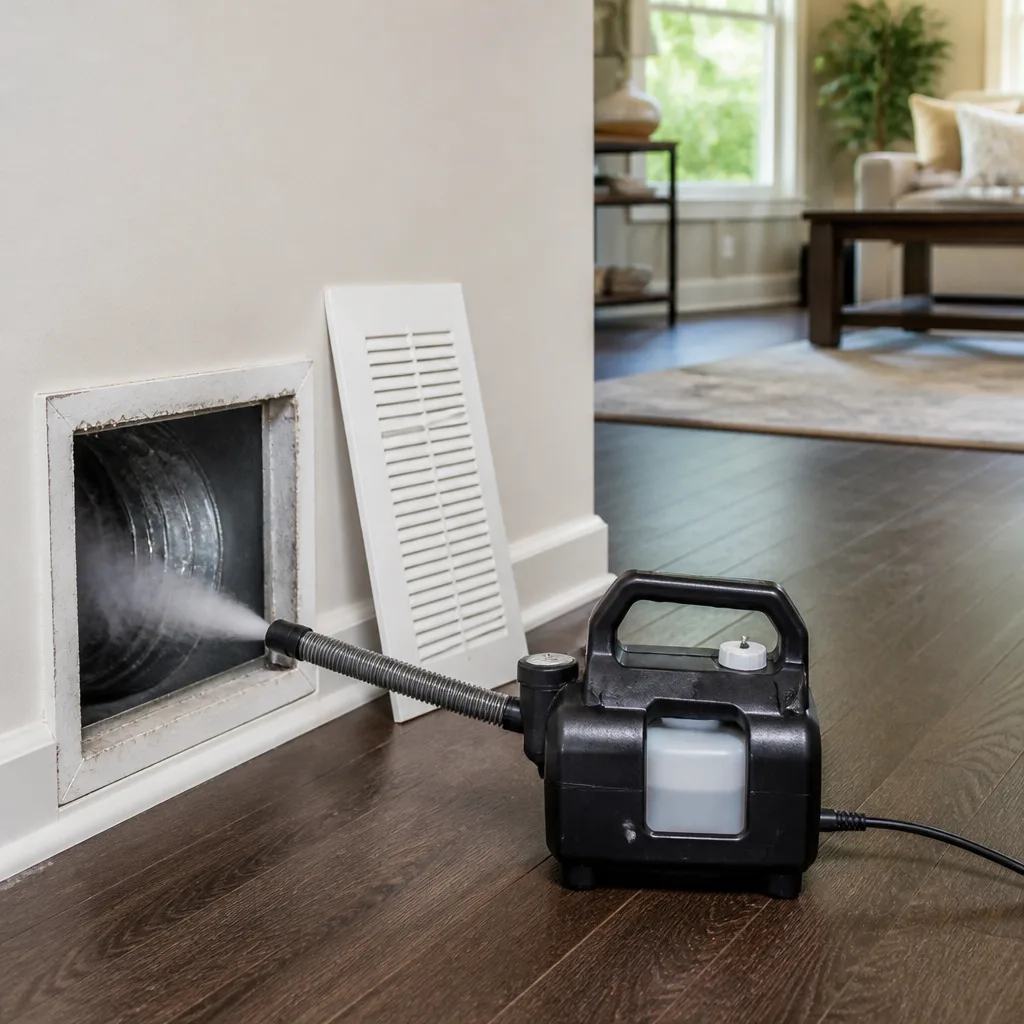 Sanitizing & deodorizing
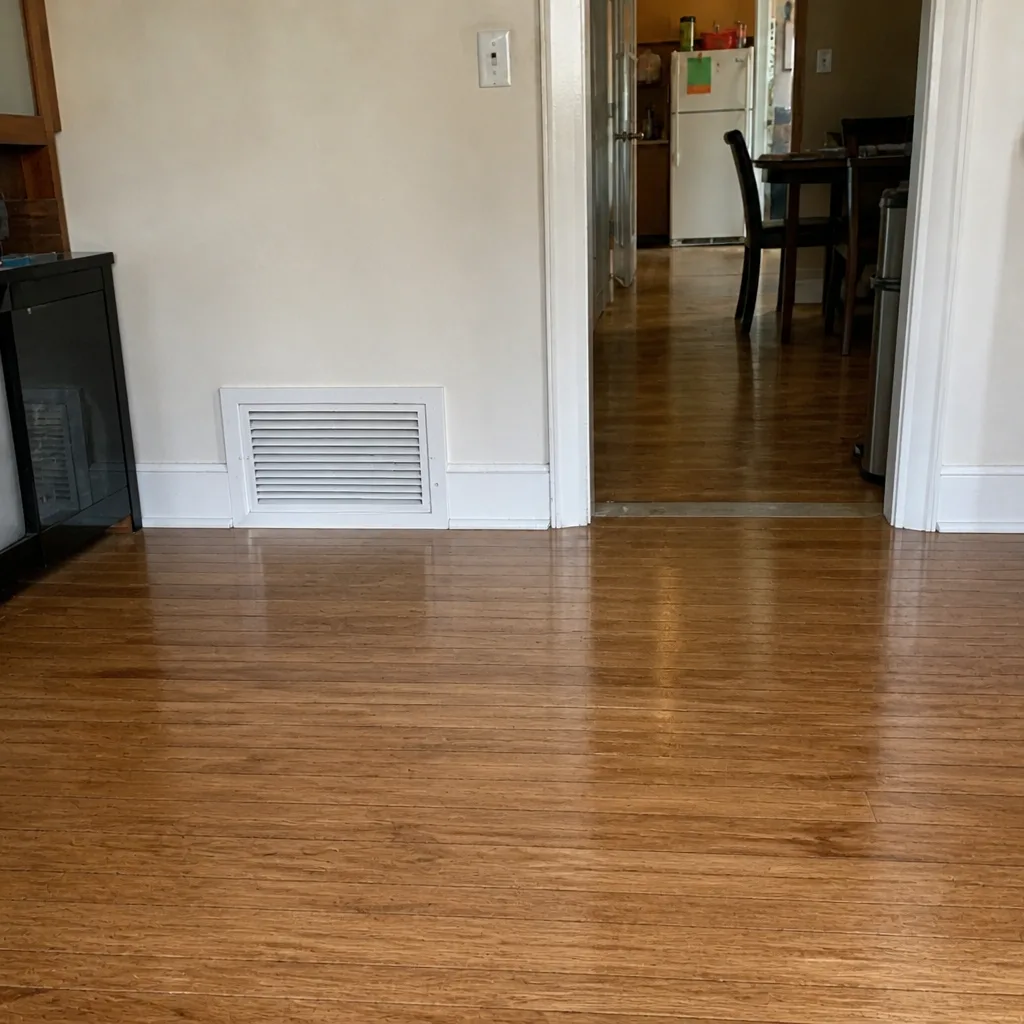
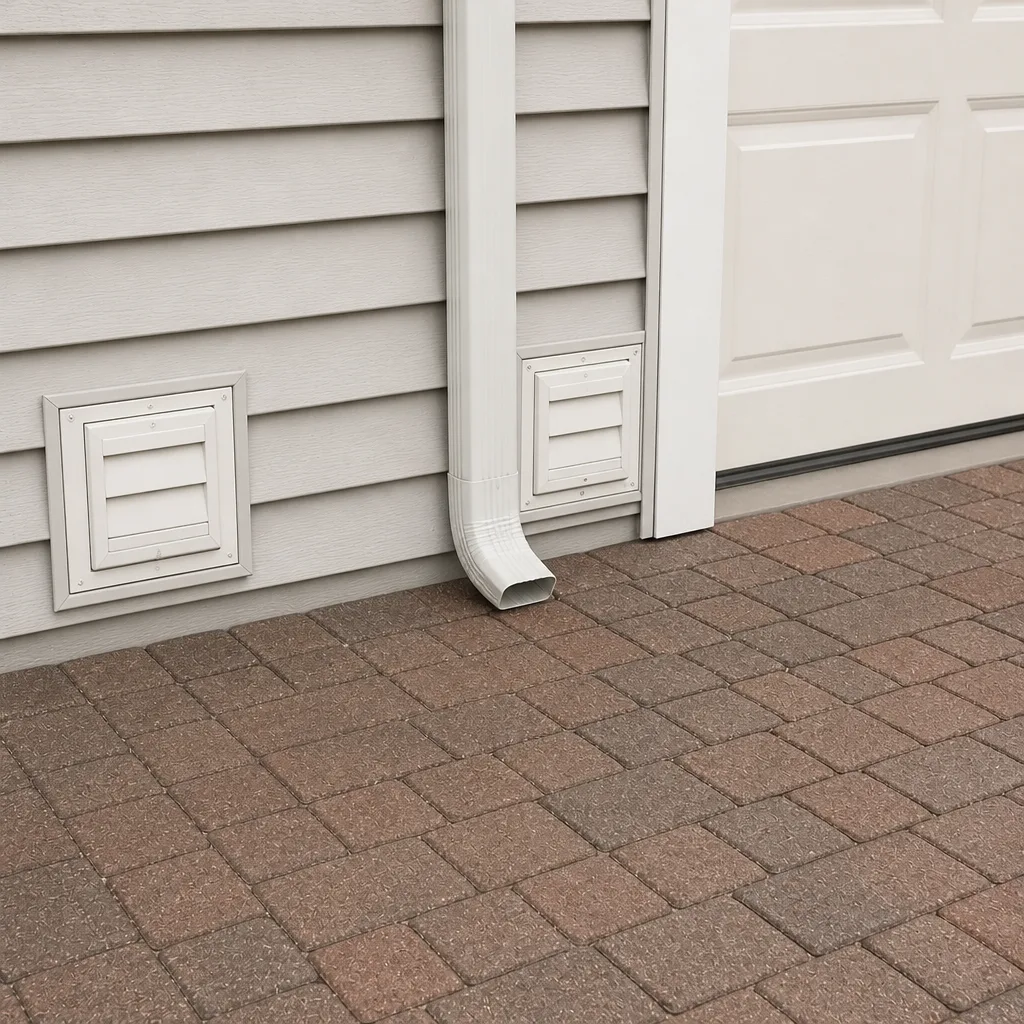
Whole-system duct and dryer vent check with before-and-after photos - you see exactly what came out of your vents
That "$99 whole-house special" is a bait ad - the real number appears once they are in your hallway, or the "clean" is a shop-vac at the register. We photograph the inside of your ducts before and after instead.
How to Hire an Air Duct Cleaning Contractor in Highbridge: A Step-by-Step Guide
Here’s the part most homeowners never hear: a legitimate, standards-based cleaning of an average Highbridge home takes three to five hours. Not forty-five minutes. Not ninety. A truck rolls up, a technician knocks, and two hours later hands you a bill for “the whole house” – that isn’t a fast crew, it’s a crew that opened a few registers, waved a shop vac at them, and left the contamination sitting in the trunk line where it started. The industry knows this, and it’s why duct cleaning carries one of the worst bait-and-switch reputations in home services. This guide walks you through exactly how to tell a real contractor from a hustler in Highbridge, what to ask before anyone opens a register, what contract language to require, and how to compare two bids fairly.
Quick Answer
To hire an air duct cleaning contractor in Highbridge, verify three credentials first: NADCA ASCS certification, EPA Lead-Safe certification if your building predates 1978, and a valid New York State contractor license. Then require a written scope covering every system component, negative-pressure methodology, and a post-job camera inspection – and walk away from any quote that promises completion in under two hours or names a flat “whole house” price before looking at your system.
Styles & brands we work with
- Whole-home duct cleaning
- Dryer vent cleaning
- Camera inspection
- Sanitizing & deodorizing
Table of Contents
- Why Duct Cleaning Fraud Thrives in Highbridge
- The Three Certifications That Actually Matter
- How to Verify Each Credential in Under Five Minutes
- The Contract Language to Require Before Work Begins
- Red Flags Specific to the Highbridge Market
- What a Real Contractor’s Equipment Setup Looks Like
- How to Compare Two Legitimate Bids
- What a Proper Inspection Should Cover
Why Duct Cleaning Fraud Thrives in Highbridge
Highbridge is a dense, older neighborhood in the Bronx, full of pre-war walk-ups, six-story apartment buildings, and mid-century housing stock. That density has a specific consequence for duct cleaning: the market is large enough to support a rotating carousel of fly-by-night operators, and the housing stock is old enough that genuine duct problems are common, which makes fraudulent pitches sound plausible.
The economics of a scam are simple. A team with a portable shop vac and a business card can underbid a legitimate operation because they carry no certification, no insurance worth claiming, and no equipment capable of doing the job. They show up, punch a hole near the furnace, blast air at the registers, and bill for “the whole house.” Twenty minutes later they’re gone and the same dust is settling back into your supply lines.
What makes them hard to spot in Highbridge is that the scams look professional on the surface. Door hangers advertise a tempting flat fee. A phone number connects to a dispatcher who confirms “yes, whole house, all ducts.” Nobody asks how many registers you have, how old the system is, or whether the building shares a duct trunk with other units – because nobody intends to count.
The fix is procedural, not suspicious. You ask specific questions, you require specific answers, and you disqualify on the spot when the answers don’t come.
The Three Certifications That Actually Matter
You’ll see a dozen logos on contractor websites. Only three carry real weight for a duct cleaning job in Highbridge, and you should verify all three depending on your building’s age and construction.
1. NADCA ASCS Certification
The National Air Duct Cleaners Association grants the Air Systems Cleaning Specialist (ASCS) credential. It signals that at least one person on the crew has been tested on industry standards, source removal methodology, and system-specific cleaning practice. NADCA also publishes the ACR standard (Assessment, Cleaning, and Restoration of HVAC Systems), which is the reference document a legitimate contractor should be operating from. When you ask a contractor “what standard do you follow?” the correct answer is ACR, not “industry best practices” or “our own high standards.”
2. EPA Lead-Safe Certification
This matters in Highbridge specifically. The neighborhood contains a lot of pre-1978 housing, and the EPA’s Renovation, Repair, and Painting rule requires certified firms to follow lead-safe work practices when disturbing painted surfaces in those buildings. Duct work often involves cutting access points, opening closets, and disturbing painted duct chases. A contractor who can’t produce lead-safe certification for a pre-1978 building is a real liability concern – not just for you, but for the building owner and any tenants below you.
3. State Contractor License
New York licenses home improvement contractors through the Department of State. A legitimate operator should be able to provide a license number that matches the business name on the contract. If the business name on the license doesn’t match the name on the quote, that’s your answer.
How to Verify Each Credential in Under Five Minutes
You don’t need to become an expert to verify credentials. You need a browser and a phone, and here’s the order to do it in.
- Ask for the NADCA ASCS name and number. Ask who specifically holds the credential and whether that person is performing or supervising the work. Then look up the firm on the NADCA member directory. If the firm isn’t listed, the certification isn’t real.
- Ask for the EPA firm certification number. The EPA maintains a searchable database of Lead-Safe certified firms. Match the firm name and expiration date. If the number doesn’t resolve, they’re not certified.
- Look up the license on the NYS Department of State site. Enter the license number and confirm the business name matches, the license is currently active, and the listed address is a business location – not a P.O. box.
- Ask for a certificate of insurance. This isn’t a license, but it matters. General liability plus workers’ comp should be documented before anyone enters your home.
- Cross-check the business address. Type it into a mapping app. Does a real commercial building exist there? A contractor operating out of a residential apartment in another borough isn’t automatically a scam, but it means you have no recourse if something goes wrong.
All five steps take a homeowner about four minutes and eliminate most of the bad actors before you ever schedule an appointment.
The Contract Language to Require Before Work Begins
Even a well-intentioned contractor can leave you with an ambiguous scope if the paperwork is vague. Insist on three things in writing before anyone touches a register.
Scope of system covered
The contract needs to spell out exactly which components are being cleaned: supply trunks, supply branches, return trunks, return branches, the air handler, the blower, the evaporator coil, and the registers. If the contract says “all ducts cleaned,” that’s not a scope – that’s a marketing phrase. A useful contract lists each component, notes its condition before the work, and checks it off when cleaned. The number of registers should also be counted and written down. If a contractor quotes a “whole house” price without counting registers first, they haven’t seen your system.
Negative pressure methodology
Source removal requires the system to be under sustained negative pressure while agitating tools break contamination loose from interior surfaces. In plain English: a high-powered vacuum holds the whole duct under suction while a rotary brush or air whip scrubs the interior, so the loosened material travels toward the vacuum instead of into the living space. The contract should state that this methodology will be used, and it should name the equipment involved (Rotobrush and Nikro systems are the industry-standard names to look for). If the contract is silent on methodology, ask why.
Post-job inspection protocol
Before the crew leaves, someone should walk you through the system with a camera or an inspection mirror and show you what each cleaned component looks like. This documentation should happen at every register and at the air handler. Ask for before-and-after photos if you want proof you can hold onto.
Red Flags Specific to the Highbridge Market
Every market has its scam patterns. In Highbridge specifically, watch for these.
- “Whole house for $49” door hangers. A flat price that low can’t cover the labor of a real cleaning. What happens when you call: the technician arrives, looks at your system, tells you the base price only covers “a basic blowout,” and quotes a much larger number on the spot. Once the equipment is in your home and the crew is on the clock, you’re under pressure to say yes.
- Unlicensed subcontracting. The person on the phone sounds professional, but the two guys who show up aren’t employees and can’t produce credentials. Ask whether the technicians performing the work are direct employees of the firm on the license. If they aren’t, you have no idea who’s actually in your home.
- No physical business address. Ask for the business address before you book. A dispatcher who won’t provide one is running an operation that prices by phone and hires subcontractors by the day.
- Cash-only payment with no invoice. A legitimate contractor invoices you. Insist on a written invoice with the business name, license number, and scope clearly stated.
- “Your ducts are full of mold” within two minutes. Contaminant-level problems do exist, and diagnosing them takes actual inspection – moisture readings, camera work, sometimes lab sampling. A technician who declares a mold emergency before opening anything is trying to upsell a service you may not need.
- No mention of the air handler. A crew that only addresses the ducts and ignores the blower, coil, and cabinet has cleaned perhaps 60% of the system. Air handler cleaning is where most of the actual contamination lives.
What a Real Contractor’s Equipment Setup Looks Like
You don’t need to know the model number of every tool, but you should recognize what a legitimate setup looks like when the crew arrives. If it doesn’t match, ask questions.
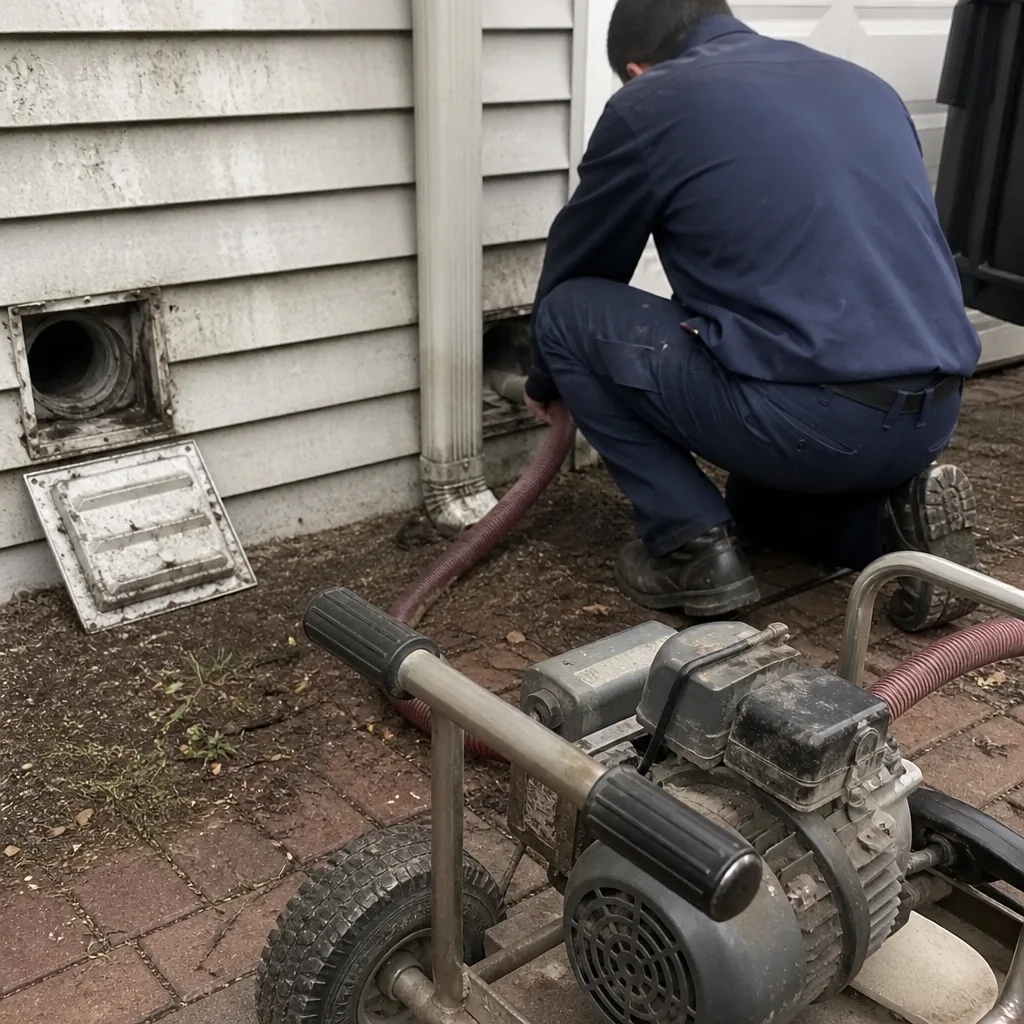
A serious operation arrives with a truck-mounted or large portable negative-pressure vacuum unit – the kind of equipment that can pull sustained suction across the whole system. You’ll see thick, flexible hoses that run from the truck or the machine into the home, and the machine itself is a substantial piece of equipment, not a backpack. A consumer-grade shop vac can’t move enough air to keep an entire duct system under negative pressure – it’s the wrong tool for the job and it’s the most reliable signal that the crew isn’t doing real work.
Expect to see agitation tools: rotary brush systems with flexible shafts that reach into branch lines, air whips with multiple nozzles that spin and knock debris loose, and compressed-air hoses. On the air-quality side, a serious firm will also carry HEPA filtration equipment – Abatement Technologies units are a name to know, because they signal a capability to handle contaminant-level remediation, not just surface dust. If a contractor arrives with no agitation equipment and no HEPA setup, walk away.
When a truck-mounted unit isn’t feasible – some Highbridge buildings have distance or access limitations from the street to the unit – a large portable unit is appropriate. The difference between a portable that’s appropriate and a portable that isn’t is whether it can sustain negative pressure across the whole system. Ask how many CFM the unit pulls. If the technician can’t answer, or hedges, keep asking.
Our technicians have up to 14 years of experience with professional-grade equipment. We use Rotobrush and Nikro systems, the same tools trusted in commercial HVAC work, and we bring Abatement Technologies HEPA filtration on contaminant-level projects. Our approach is to clean the system, then seal it, because a leaky duct undoes everything the cleaning just did. If you’d like to see what that looks like in your building, we can walk you through air duct cleaning and the sealing process on a free estimate.
How to Compare Two Legitimate Bids
Assume you’ve qualified two contractors and both look solid on paper. Now you need to compare their numbers fairly – and the trick is that the same job from two real contractors should be within a specific range of one another, while wildly different quotes usually mean the two contractors aren’t quoting the same scope.
Line items that should match
- Number of registers and returns counted
- Statement that the air handler is included
- Blower motor cleaning and coil cleaning line items
- Negative pressure methodology explicitly named
- Post-job camera inspection included
- Containment strategy during the work (plastic barriers at registers and returns)
- Disposal of removed material
Where pricing differences are justified
- Access difficulty. A single-family home with a straight-run trunk is easier than a pre-war Highbridge walk-up with shared ductwork and closed wall chases. Real contractors price for the actual access work required.
- Contamination level. A system that hasn’t been cleaned since the building opened will take longer than one on a regular schedule.
- Add-on services. Duct sealing, dryer-vent cleaning, and sanitizing are separate line items. A quote that bundles them at a lower total might be efficiently priced; a quote that silently excludes them isn’t comparable at all.
- Equipment tier. Truck-mounted equipment commands a higher price than portable. Both can be legitimate, but they aren’t the same product.
- Air-quality product installation. If a contractor is adding Honeywell or Aprilaire filtration or humidity control, that’s a distinct line item, not part of the cleaning bid.
When two legitimate bids are far apart, put them side by side against this list. Usually one is quoting a bigger scope than you realized, or one is quietly leaving out the air handler.
What a Proper Inspection Should Cover
Before any quote should be signed, a competent contractor inspects the system and shows you what they found. The inspection should specifically address:
- Visible contamination at registers, returns, and inside the air handler cabinet
- Moisture anywhere in the system – a clue that there’s a leak or a humidity problem worth addressing before cleaning
- Duct condition – disconnected runs, crushed flexible duct, gaps at joints, unsealed connections
- Air handler components – blower, coil, and cabinet interior
- Filter condition and fit – a loose filter lets bypass air carry dust right back into the coil
- Access points – where the crew will need to cut or open, and how they’ll seal it when finished
- Dryer vent connection – if the dryer shares the duct chase or is nearby, the vent condition is worth checking in the same visit
You should receive a written report with photos before the work begins. And critically: the report should tell you what actually needs doing and what doesn’t. A contractor who recommends a full cleaning on a duct system that’s clearly been serviced recently is quoting from a sales script, not an inspection.
The five categories we handle in a single engagement are cleaning, dryer-vent safety, HVAC cleaning, duct repair and sealing, and air sanitizing. That matters because a leaky duct system, if you only clean it, will re-contaminate itself within a heating season. And a clogged dryer vent cleaning is a fire-safety issue that a thorough contractor will flag while they’re already in your building.
Common Mistakes to Avoid
- Booking on price alone. A quote that’s half the market average isn’t a bargain – it’s a warning that the scope is half of what a real cleaning involves. Legitimate contractors have similar costs: certified labor, insurance, equipment, and time. If a quote undercuts all of them, something is missing.
- Skipping credential verification. A lot of homeowners ask “are you certified?” and accept the answer without checking. Verify the NADCA listing, the EPA firm number, and the NYS license independently – all three take minutes on official websites.
- Not counting registers in advance. Walk your own home and count the supply and return registers before the contractor arrives. That number is a hard fact you can hold a bid against. A contractor who quotes without asking has already told you everything you need to know.
- Ignoring the air handler. Some crews clean the ducts and never touch the blower, coil, or cabinet. The air handler is where the system’s air gets moved – leaving it dirty means the cleaned ducts are downstream of a dust source.
- Skipping the sealing step in old Highbridge buildings. Duct joints in pre-war buildings can be decades old and openly leaking. Cleaning without sealing means you’re re-contaminating the system the moment you turn the furnace back on. Ask specifically whether sealing is included.
- Signing before seeing the written scope. A verbal scope is not a scope. If a contractor won’t put the component list, methodology, and inspection protocol in writing, that’s a red flag regardless of how professional the pitch sounded.
- Believing a “whole house” price can be flat. A real quote reflects your specific system – number of registers, length of runs, condition, and access. If a price is flat before anyone has looked at your system, you’re being sold a promise, not a job.
See the difference
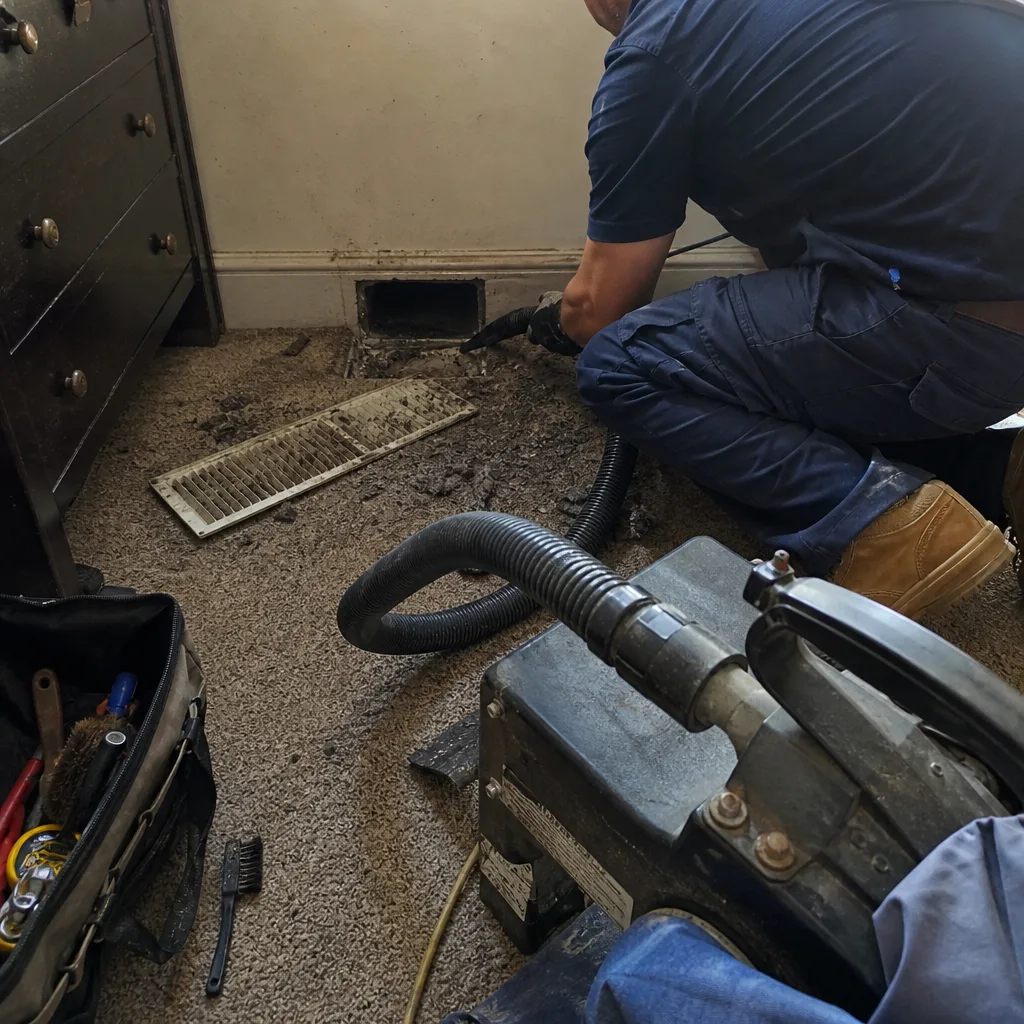 Before
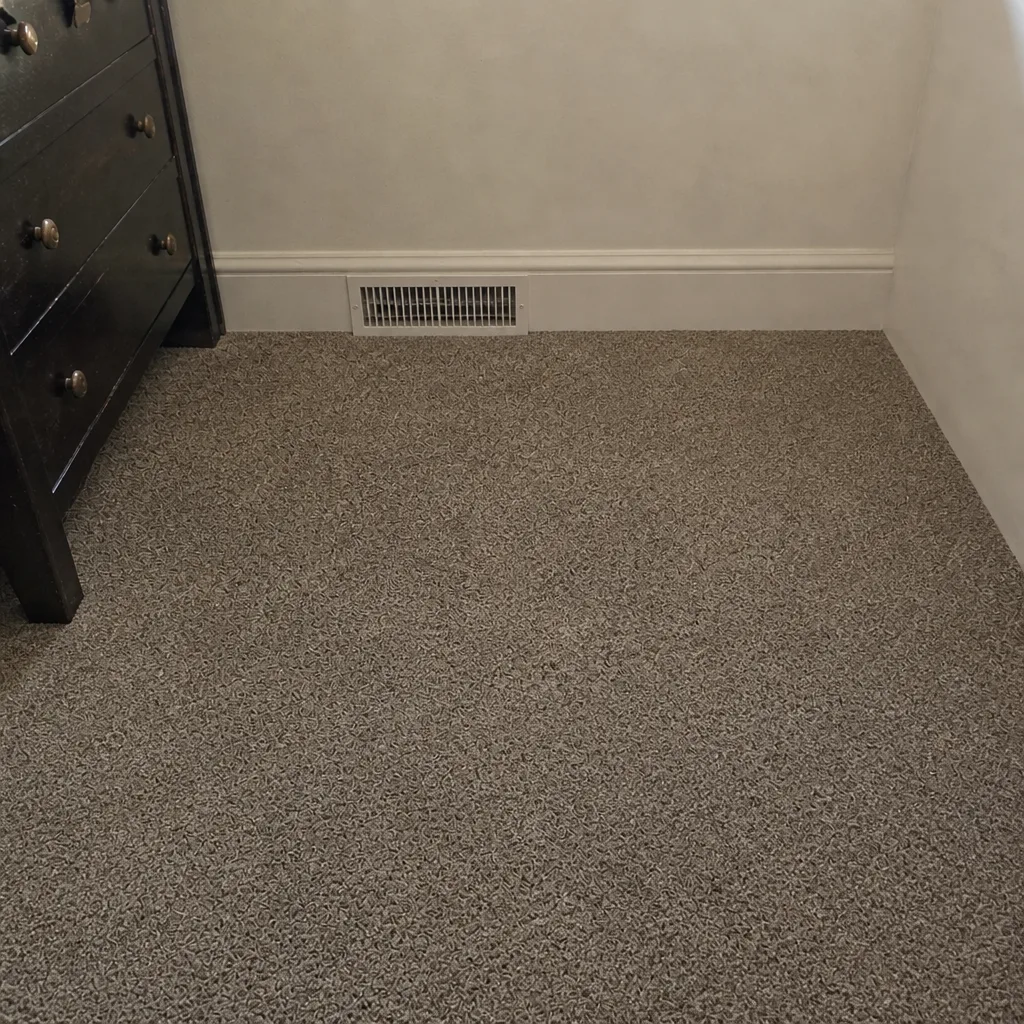 After
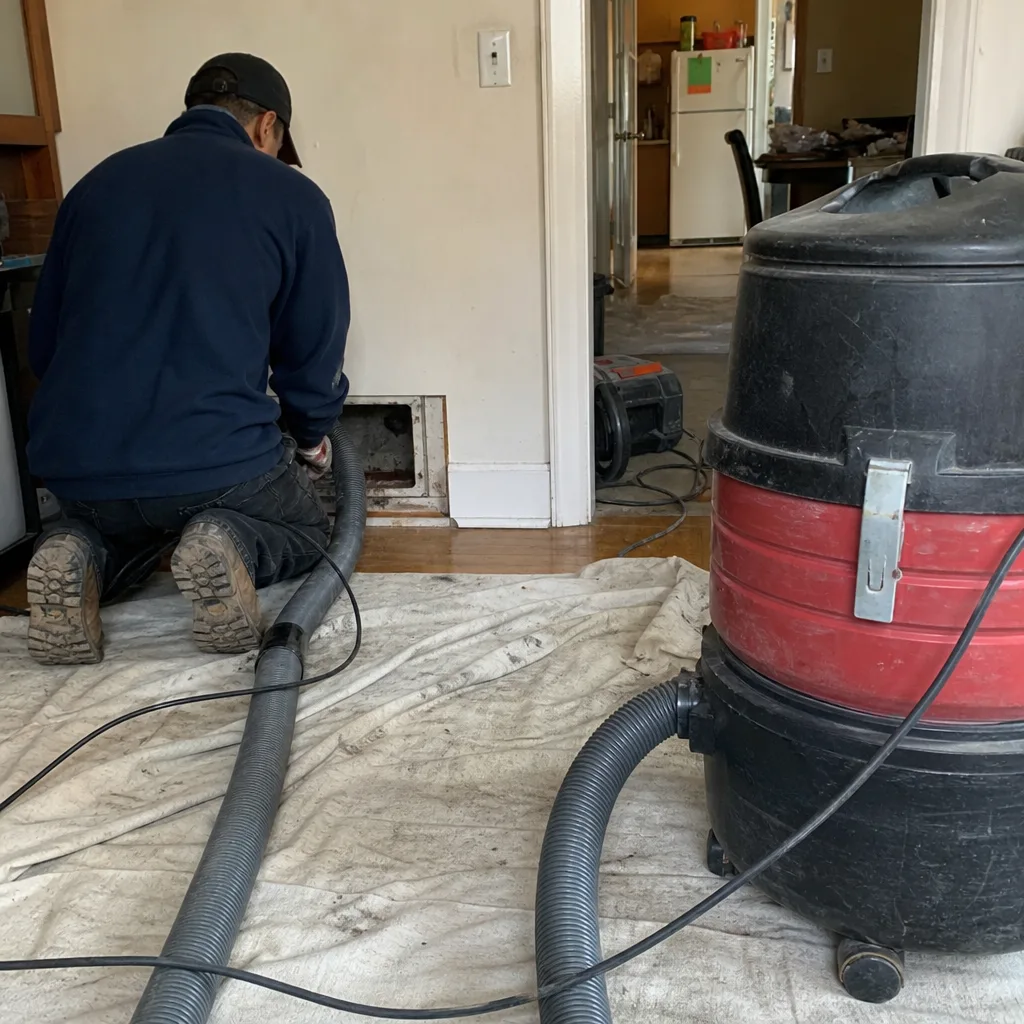 Before
 After
 Before
 After
When to Call a Professional
Some duct issues are obvious. You’re seeing an unexplained rise in allergy symptoms that clears when you leave the building. You notice a musty odor when the heat or AC kicks on. Your energy bills have crept up while usage hasn’t changed. You can see dust plumes at the registers when the blower starts. Or you’re moving into a Highbridge building and nobody knows when the ducts were last cleaned. Those are the signals to get an inspection.
Air Duct Cleaning Highbridge offers free estimates in Highbridge – call (888) 219-1385. We answer 24/7. Fast dispatch from 7am to 7pm, Sunday through Friday. A technician will walk your system, show you what’s actually there, count the registers, and quote a flat per-system price in writing before anything gets touched. No bait-and-switch, no “whole house for $49,” no pricing games once the equipment is on the floor. Learn more at Air Duct Cleaning Highbridge.
Frequently Asked Questions
Costs vary with the number of registers, the condition of the system, and whether the air handler is included, but legitimately priced work in Highbridge typically falls in the range of a few hundred dollars for a single-system residential cleaning and more for larger buildings, multiple systems, or buildings that haven’t been serviced in years. The quote should be one flat price per system, agreed in writing before work starts, with the component list and the register count written into the scope. Call (888) 219-1385 for an exact quote – estimates are free.
Cheap quotes usually aren’t quoting the same job. A $49 or $99 “whole house” price typically covers only a token pass at the visible registers, with the real cost coming later as pressure to add services on-site, or with the air handler and coil skipped entirely. A legitimate bid reflects certified labor, insurance, professional equipment, and the time a proper cleaning actually takes. If one quote is dramatically lower than the others, ask what it excludes. Call (888) 219-1385 and we’ll explain the difference line by line – estimates are free.
Two things: a written scope that names each component, and a post-job inspection where you’re shown the system on camera or mirror before the crew leaves. Ask for before-and-after photos of every register. A crew that cleaned the system will be able to show you the difference; a crew that didn’t will resist being asked. Call (888) 219-1385 if you want to see what documentation should look like.
Most homes in Highbridge don’t need annual duct cleaning. A cleaning every few years is usually sufficient unless there’s been a renovation, a moisture event, a pest issue, visible mold, or a system that hasn’t been serviced in a long time. What matters more than frequency is doing the whole system – ducts, air handler, coil, and blower – and sealing the joints so the cleaning actually holds. Call (888) 219-1385 and we’ll help you decide if yours is due.
Yes. Pre-1978 buildings fall under the EPA’s Lead-Safe Renovation, Repair, and Painting rule, and duct work frequently involves opening painted surfaces or cutting access points. Confirm the firm is EPA Lead-Safe certified before any work begins. Older systems also tend to have leaking duct joints that should be sealed as part of the job – otherwise you’re cleaning ducts that will re-contaminate immediately. Call (888) 219-1385 for a free inspection.
It should be, and it’s a safety issue rather than a comfort one. A clogged dryer vent traps lint near the dryer housing and restricts airflow, which is a known fire risk. If your dryer vent hasn’t been cleaned in years, ask for it to be included in the same visit – it’s more efficient than booking a second contractor and it’s a genuine part of the air-safety picture in the building. Call (888) 219-1385 to schedule both at once.
The Bottom Line
Hiring a duct cleaner in Highbridge comes down to procedure. Verify the three credentials (NADCA ASCS, EPA Lead-Safe where applicable, NYS contractor license) and don’t accept the answer without checking the official listings. Require a written scope that counts registers, names the air handler, states the negative pressure methodology, and describes the post-job inspection. Walk away from $49 door hangers, from crews who can’t name their equipment, and from anyone who quotes a flat price without understanding your system. When a real contractor arrives with real equipment and a real scope, the job takes three to five hours, costs what it costs, and leaves you with documented evidence of what was done. That’s the standard to hold every quote against.
If you’d like to see the process in person, call (888) 219-1385 for a free estimate. We answer 24/7. Fast dispatch from 7am to 7pm, Sunday through Friday. We’ll walk your system, count the registers, and put the scope in writing before the work begins.
Written by the team at Air Duct Cleaning Highbridge.