
Last updated November 22, 2026
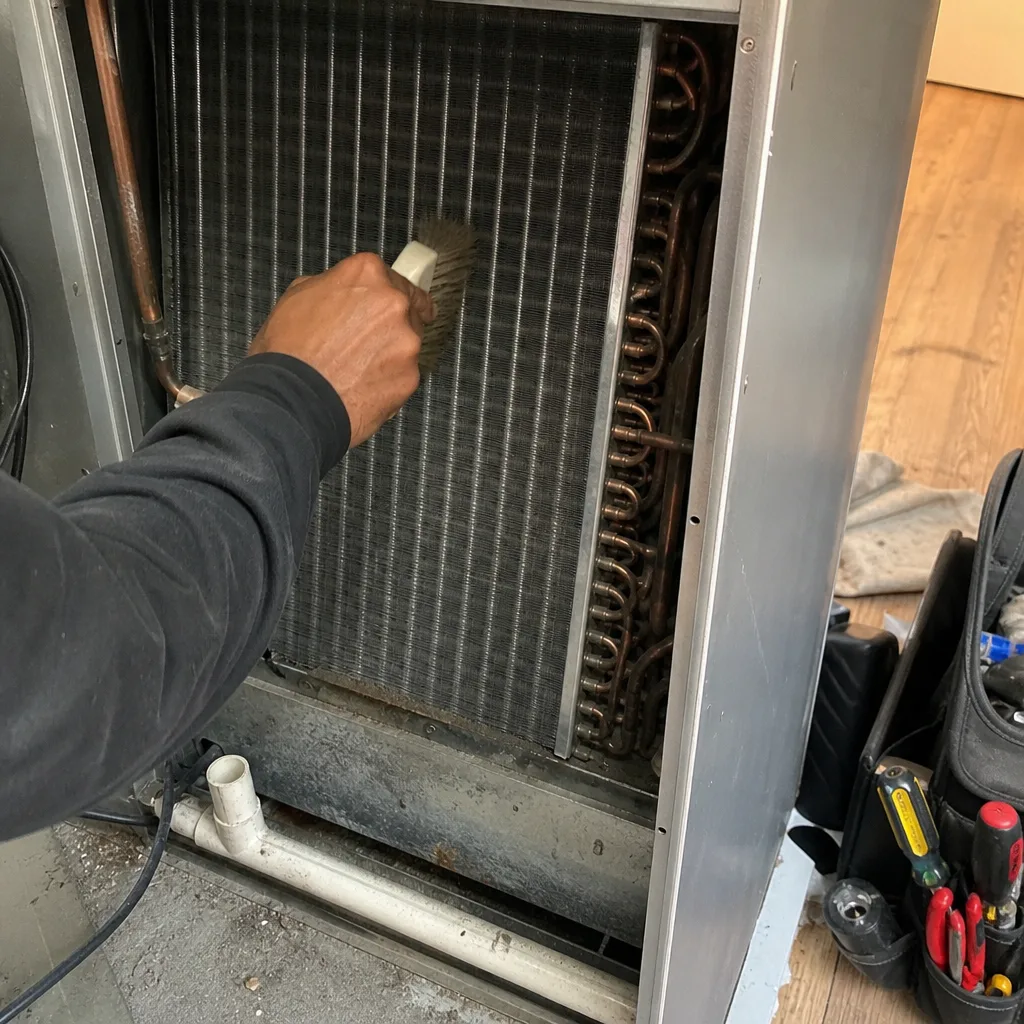
 Whole-home duct cleaning
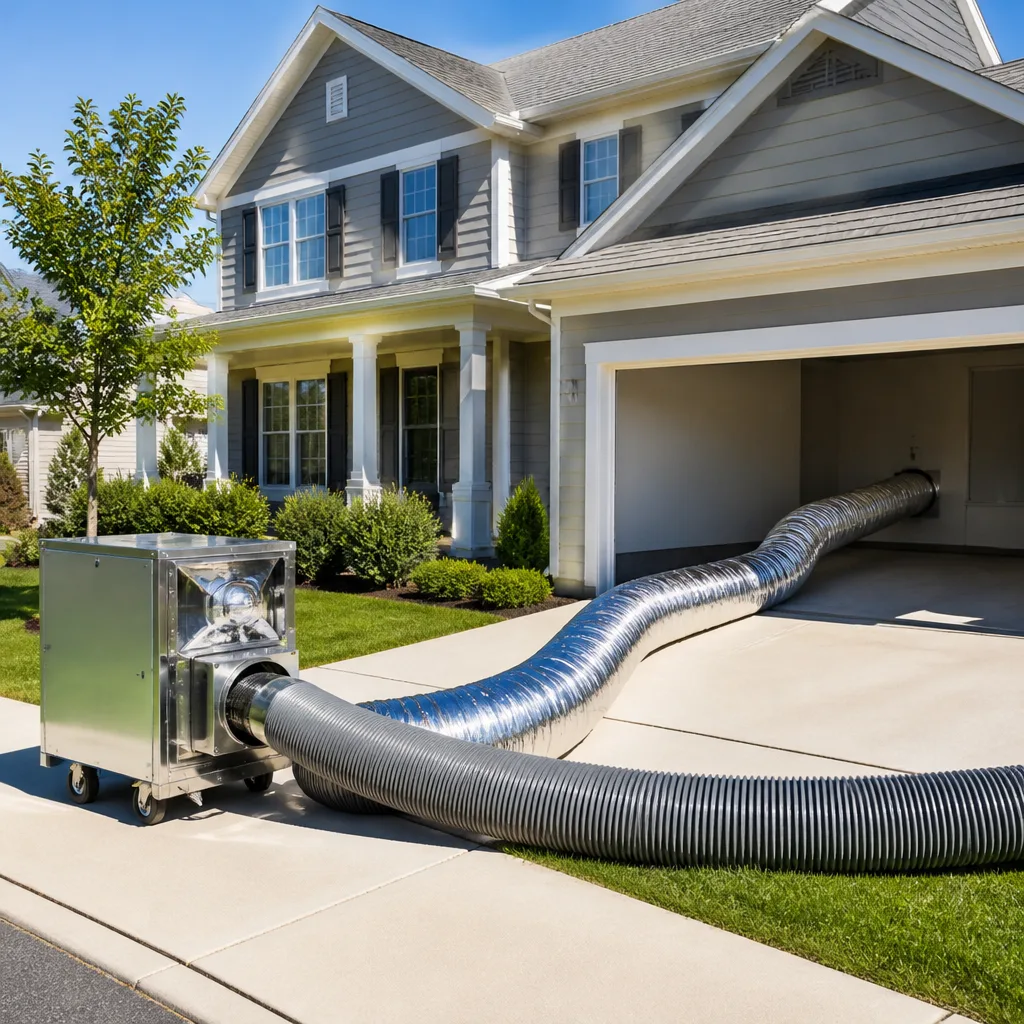
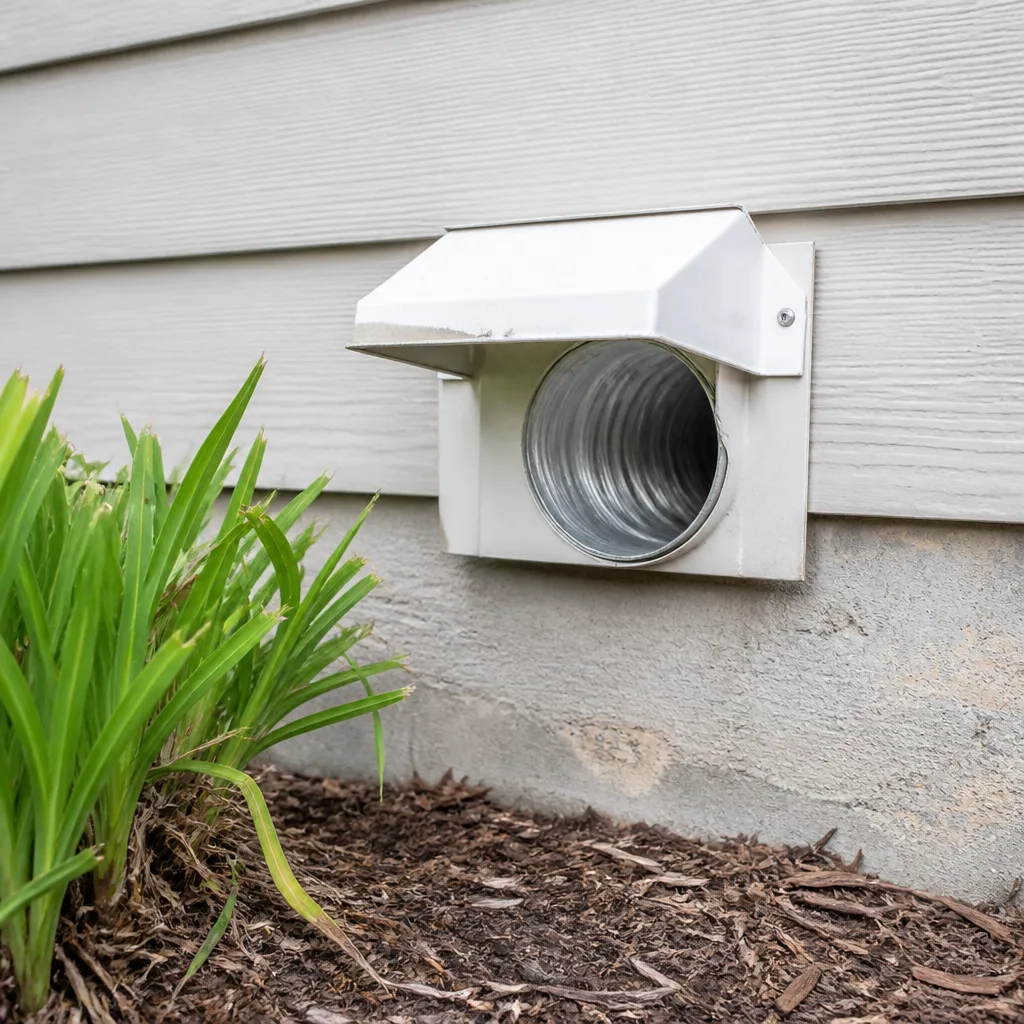 Dryer vent cleaning
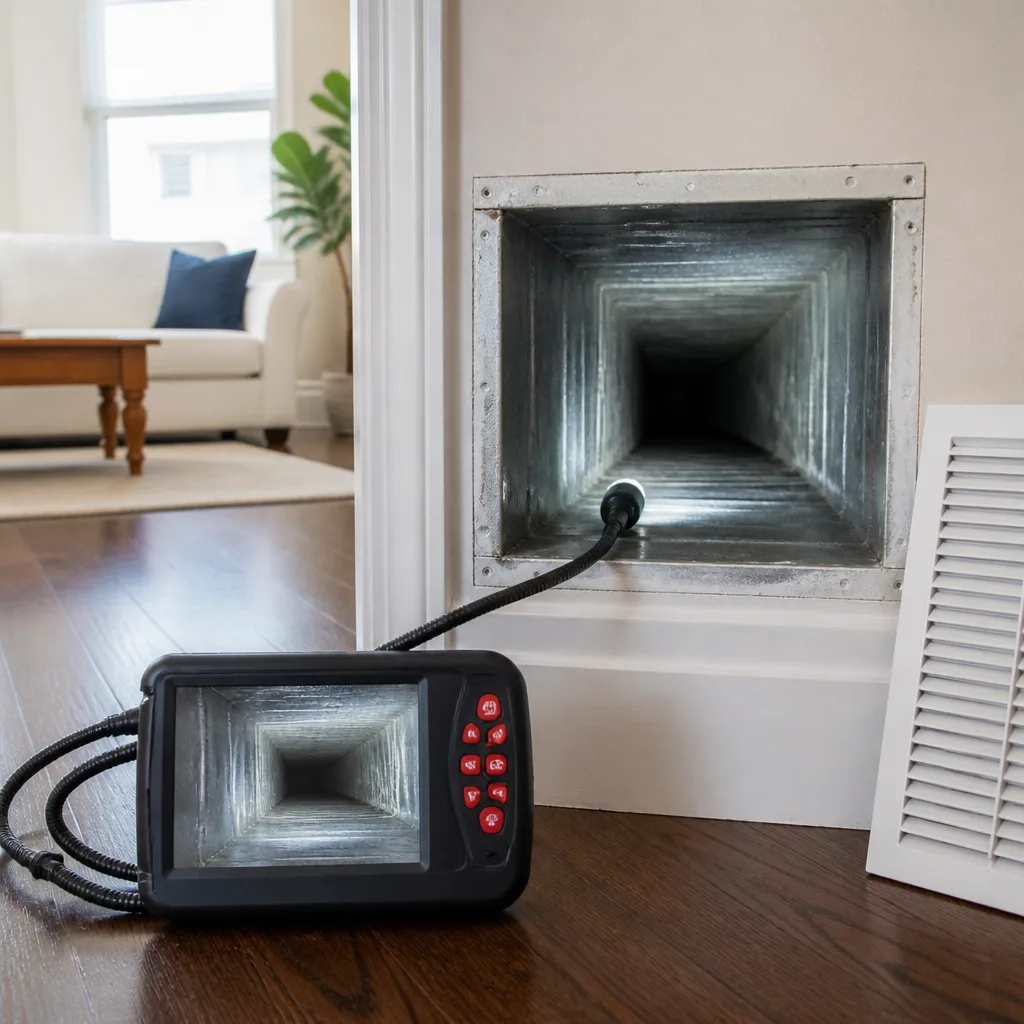 Camera inspection
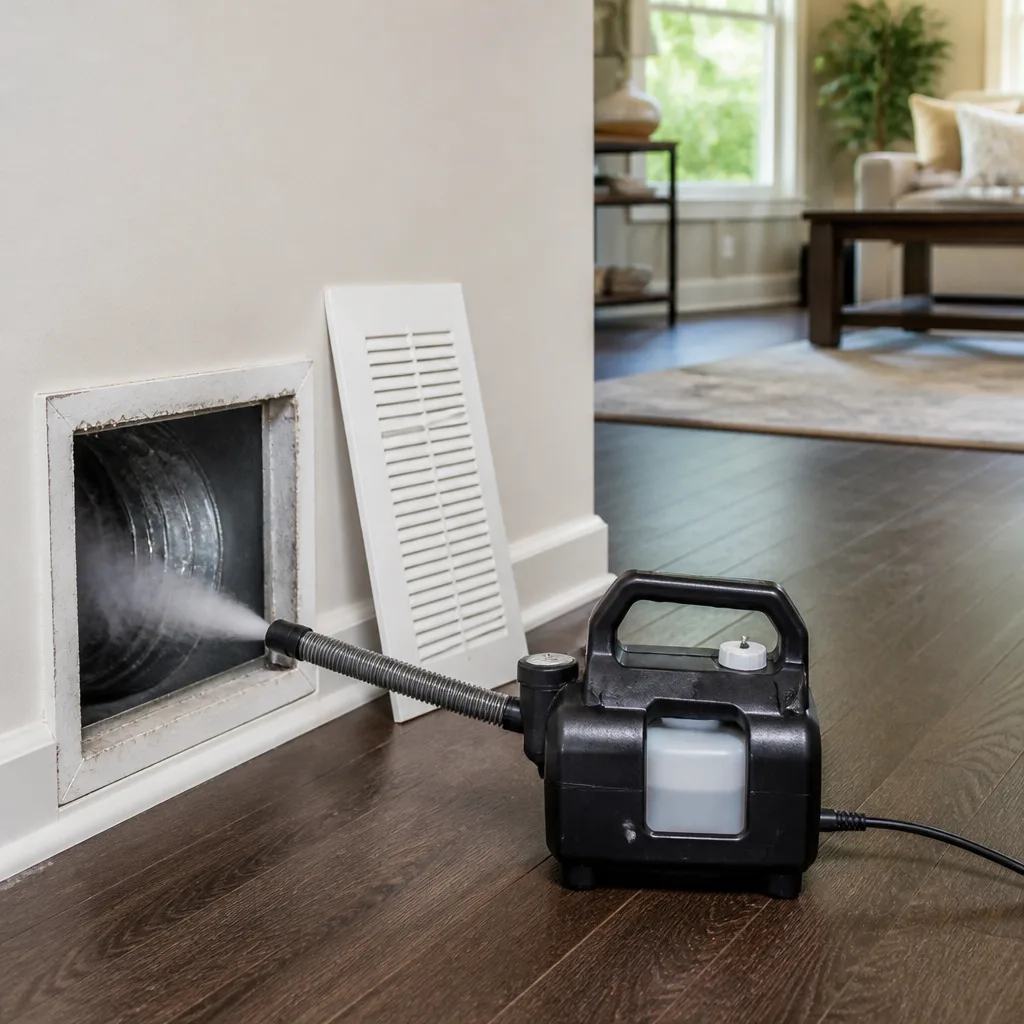 Sanitizing & deodorizing
Whole-system duct and dryer vent check with before-and-after photos - you see exactly what came out of your vents
That "$99 whole-house special" is a bait ad - the real number appears once they are in your hallway, or the "clean" is a shop-vac at the register. We photograph the inside of your ducts before and after instead.
Seasonal Air Duct Cleaning Care for Highbridge: Year-Round Homeowner’s Guide
Most homeowners here clean their ducts on a fixed calendar – “once a year,” maybe every other spring. That’s the wrong variable. Timing matters more than frequency. Highbridge apartments and houses sit inside a dense urban heat island where summer air holds moisture for days, heating seasons compress into shorter, hotter bursts, and Hudson River humidity pushes through the same streets the construction crews are already dusting up. Cleaning in July, at peak humidity, can leave residual moisture in the system that supports mold colonization within a few days. Clean at the right phase instead and results last measurably longer. This guide walks through the four contamination phases specific to Highbridge, when to schedule, and how to protect your system between visits.
Quick Answer
For most Highbridge homes that run both air conditioning and heat, the best cleaning window is late September through mid-October – after summer humidity drops and before the heating system fires up for the season. That single timing choice removes summer moisture and mold risk, clears pollen residue, and pre-empts the fall combustion byproduct load that builds the moment radiators and forced-air heat come on. Frequency depends on your building, pets, and nearby construction, but the sequence is what protects the result.
Styles & brands we work with
- Whole-home duct cleaning
- Dryer vent cleaning
- Camera inspection
- Sanitizing & deodorizing
Table of Contents
- The Four Contamination Phases in Highbridge
- Why Late September Through Mid-October Is the Optimal Window
- Protecting Ducts During Urban Construction Season
- Filter Upgrade Sequencing by Season
- When Sanitizing Is Warranted vs Routine Cleaning
- What a Full-Pathway Inspection Looks Like
- Between-Visit Habits That Extend Results
- Dryer Vent Cleaning as Part of the Seasonal Plan
The Four Contamination Phases in Highbridge
Residential duct systems in Highbridge don’t get dirty at a constant rate. They collect in cycles tied to weather, building stock, and street-level particulate. Once you see the pattern, scheduling becomes obvious.
Phase 1 – Spring pollen infiltration. Trees along the Harlem River corridor and into the parks side of Highbridge release pollen heavily from late March through May. Any return-air path pulling from a window, a poorly sealed return chase, or a leaky filter slot carries that pollen in. If ductwork is already dusty, pollen has a material to bind to and settle. If it’s clean, a lot of it moves right through the filter and back out.
Phase 2 – Summer humidity and mold risk. Highbridge’s urban heat island keeps nights warmer than the surrounding suburbs, which means AC systems run longer and produce more condensate. Duct interiors sit cool and slightly damp. Poorly sealed ducts pulling humid outdoor air make it worse. This is the phase where cleaning itself has to be done carefully – residual moisture from a wet cleaning method can support mold spores if the system isn’t dried properly.
Phase 3 – Fall combustion byproduct accumulation. When the heating season begins, forced-air systems blow warmed air through months of accumulated dust. Combustion byproducts from nearby buildings and vehicle traffic settle into return chases that are rarely accessed. The first two weeks of heating produce more soot-like particulate in the ducts than any other point in the year.
Phase 4 – Winter dust compaction. Dry winter air and continuous air circulation compact dust into harder, denser layers on duct walls and register grilles. That’s the stage where a light vacuum won’t budge it; mechanical agitation is required.
Why Late September Through Mid-October Is the Optimal Window
If you clean at one point in the year, clean right before the heating system fires up. That timing choice – late September through mid-October for most Highbridge homes that run both AC and heat – delivers the most through the following twelve months.
Here’s why it lands there:
- Summer humidity has dropped, so any moisture left in the system from cleaning dries out quickly rather than sitting.
- Pollen season is over, so you’re not cleaning ducts that will refill within weeks.
- The heat hasn’t come on yet, so you haven’t started pulling the fall combustion byproduct load into the ductwork.
- Cooler outdoor temps mean open windows are still common in October, which gives the cleaning crews ventilation and reduces indoor disruption.
- Temperature swings between indoor and outdoor are modest, so AC condensate is minimal during the transition.
There’s a second-best window: late April to early May, right after heating season but before the AC is running hard. That’s a reasonable choice if you missed the fall. What we’d steer you away from is July. Cleaning at peak humidity creates conditions where residual moisture can support mold colonization within about 72 hours – not in every system, but in enough of them that we schedule fall for the serious cleans.
A Typical Fall Cleaning Sequence
- Inspection first. We scope the main trunk, visible branches, return chases, and the air handler cabinet. Any leaks, disconnected joints, or gaps get photographed before cleaning begins.
- Containment. Negative pressure is set at the unit so dust isn’t pushed into living space during cleaning.
- Mechanical cleaning. Rotobrush and Nikro equipment – the same systems used in commercial HVAC remediation – agitates and extracts material from duct walls rather than just blowing air through.
- Repair and sealing. We clean the system, then we seal it, because a leaky duct undoes everything the cleaning just accomplished. Gaps in flex duct joints, return chases, and filter slots get addressed before we close up.
- Optional sanitizing. Only if inspection showed biological growth or heavy organic contamination. Guardsman-grade products are used where warranted.
- Filter and air-quality check. Honeywell and Aprilaire products let us size filtration correctly for the season and for the duct system’s static pressure limits.
- Before-and-after photos. We show you what we found before we start and after we finish. Every job.
Protecting Ducts During Urban Construction Season
Highbridge sits inside one of the most active construction corridors in the city. Building renovations, sidewalk work, and utility projects push exterior particulate counts up on specific blocks, often for weeks at a time. That particulate infiltrates through return air pathways, window gaps, and any duct seam that isn’t tight.
Three things matter for duct protection during construction season:
- Filter change frequency. A filter that would last three months normally may load in four to six weeks during active adjacent construction. Check it visually, don’t just follow the calendar.
- Return path sealing. If a return chase runs through an exterior wall cavity or adjacent to a renovation, sealing gaps matters more than upgrading filtration. Pulling unfiltered air through a leaky return undermines every filter downstream.
- Professional containment during cleaning. When we clean during a construction-affected period, negative pressure and Abatement Technologies filtration equipment help prevent reintroducing dust through open registers.
For property managers handling multiple units in Highbridge, this is the phase where a building-wide duct inspection is worth the cost. Particulate that infiltrates one unit during a construction project often finds its way into shared return pathways and adjacent units within weeks.
Filter Upgrade Sequencing by Season
Higher MERV ratings aren’t automatically better. Every filter adds resistance to airflow, and older duct systems – especially the narrow return chases common in pre-war Highbridge buildings – can’t handle high static pressure without losing heating and cooling efficiency. Here’s how we sequence it.
Spring and Summer: MERV-11 Baseline
A MERV-11 filter catches fine pollen, mold spores, and most of the particulate that comes in with warm-weather air. It’s a reasonable baseline for most Highbridge homes running AC from June through September. It adds some static resistance, so on older systems we check whether the air handler can accommodate it without a measurable pressure drop.
During Construction or Wildfire Smoke Events: MERV-13 With Caution
A MERV-13 filter catches considerably finer particulate – useful during exterior construction activity or regional smoke events. On newer systems or systems with generously sized return ductwork, it’s straightforward. On tighter older systems, we measure static pressure before recommending it. If pressure climbs too high, the correct answers are sealing the return pathway, upsizing the filter grille, or stepping back to MERV-11 rather than running a filter the system can’t breathe through.
Fall and Winter: MERV-11, Then Reassess
Once the heat comes on, the priority shifts from outdoor particulate to indoor dust and combustion byproduct residue. A clean MERV-11 filter changed on schedule is generally the right choice. If we installed Honeywell or Aprilaire filtration during the fall cleaning, we check it at the follow-up and adjust the change interval based on what the filter is actually collecting – not what the box says.
When Sanitizing Is Warranted vs Routine Cleaning
Mechanical cleaning removes what’s physically there. Sanitizing addresses biological growth that mechanical cleaning can’t fully reach – and in our experience, most homes don’t need it on every visit. The decision has to be evidence-driven, not a default add-on.
Signs that sanitizing treatment is warranted in Highbridge:
- Visible mold growth on duct walls, the air handler cabinet, or the evaporator coil area
- Persistent musty odor that returns within days of cleaning
- Recent water intrusion into the duct system, or a history of high humidity in the space
- Inspection showing biological growth or heavy organic contamination
- A mold remediation project in an adjacent space that could have cross-contaminated the system
Signs that routine mechanical cleaning alone is the right call:
- Dust and debris only, with no biological growth
- Odor that resolves when the ducts are cleaned
- Duct system where air quality symptoms disappeared after cleaning
When sanitizing is warranted, Guardsman-grade protective products allow us to treat the system to a commercial standard of care. The goal is not to mask odor, it’s to eliminate the biological load that caused it. We show you what the inspection looked like before recommending the treatment.
What a Full-Pathway Inspection Looks Like
Cleaning ducts without inspecting first is guessing. A full-pathway inspection checks the entire air path from intake to register, because the problems that matter most – leaks, disconnections, oversized or undersized returns, contamination hotspots – are rarely in the visible sections.
- Return air pathway. Where the return grille is, how it connects to the air handler, and whether any leaks pull in unfiltered air from wall cavities or exterior walls.
- Air handler and coil area. The coil is often where biological growth starts. Cabinet condition matters too – a rusted or sagging cabinet pulls air from the wrong place.
- Main trunk and branches. Visual inspection through access points, sometimes with a borescope for runs that can’t be opened. Look for disconnected flex duct, collapsed sections, or material buildup at transitions.
- Register grilles. Dust load on the return side tells you how much is getting in. Dust load on the supply side tells you how much is getting through.
- Static pressure. Measured at the air handler to confirm the system has room for the filtration you want to run.
- Dryer vent connection. Tied into the same inspection because lint accumulation is a fire-hazard issue, not a comfort one.
When we clean a system in Highbridge, we do the whole pathway in one engagement: inspect, clean, repair, seal, and sanitize where warranted. No second vendor needed.
Between-Visit Habits That Extend Results
What happens between professional cleanings determines how much of that cleaning “sticks.” Small habits compound.
- Check filters visually, not by calendar. Highbridge construction activity and seasonal particulate make the box instructions unreliable. Look at the filter every six weeks during peak season.
- Keep return grilles unobstructed. Furniture pushed against a return reduces airflow, which increases temperature swings, which increases runtime and dust circulation.
- Watch the humidity. Indoor humidity above about 55% during AC season feeds biological growth in ducts. A Honeywell or Aprilaire humidity control solution isn’t overkill here.
- Note when outdoor work starts on your block. If a building renovation begins next door, close windows during the heaviest demolition hours and check return filters more often.
- Watch for new musty odor. A musty smell that appears in a specific season is a signal, not background noise. It often means moisture is entering a section of ductwork from an HVAC issue, a leak, or a poorly sealed return.
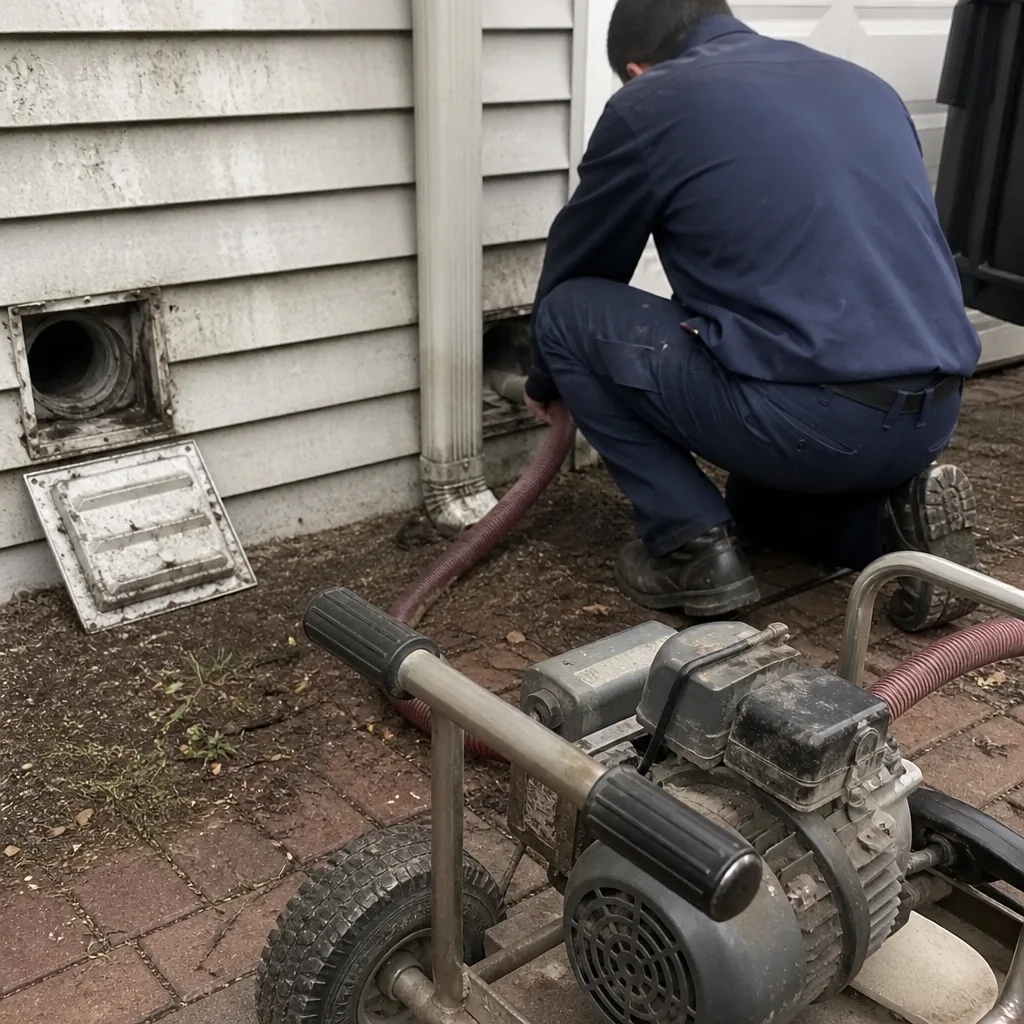
- Keep dryer lint trap clean and schedule a dryer vent cleaning on a set interval. Lint inside the vent line is a genuine fire risk relative to how dry the line has stayed. Short cycle times and strong exhaust at the exterior vent are the signs the line is still clear.
Dryer Vent Cleaning as Part of the Seasonal Plan
Duct cleaning and dryer-vent cleaning are two different jobs, but they belong on the same annual plan. Dryer lint that accumulates in the vent line restricts airflow, which increases drying time, which increases heat retention in the line. That’s the actual fire mechanism – not just lint on the screen.
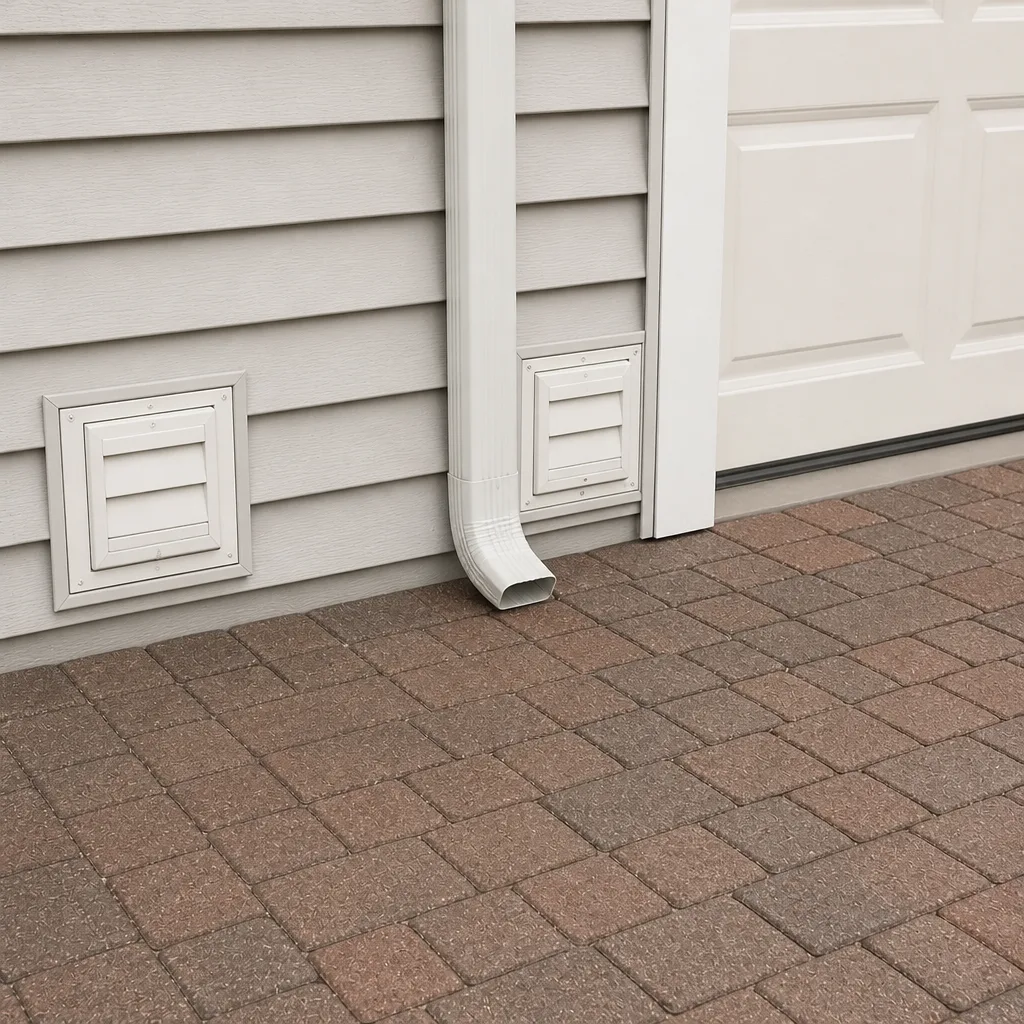
The right seasonal timing for dryer-vent cleaning in Highbridge is generally paired with the fall duct cleaning: once a year for most households, twice for higher-use homes. Signs the vent line needs attention include clothes taking longer than usual to dry, the dryer cabinet getting hot to the touch on the side, a weak or flappy exterior vent, or a lint screen that fills within a load or two.
Paired with the fall air-duct service, dryer vent cleaning lets one appointment handle the whole system-level air-safety picture. It’s a fire-safety service we include in the plan because it matters – not an upsell once the crew is already on site.
Common Mistakes to Avoid
- Cleaning in the peak of summer humidity. Residual moisture after cleaning can support mold colonization within days in a Highbridge apartment that’s already running a humid AC. Fall timing avoids this.
- Assuming once a year is enough regardless of construction activity. Homes near active building work often need supplemental filter changes or an extra inspection, not a shorter cleaning interval.
- Skipping the sealing step. A clean duct that leaks pulls unfiltered air and dust back in from wall cavities and adjacent spaces. Cleaning without sealing is wasted on the sections that leak.
- Running the highest MERV filter the box offers. A MERV-13 in a system sized for MERV-8 restricts airflow, strains the blower, and can cost more in efficiency than it saves in air quality. Match the filter to the system.
- Treating sanitizing as routine. Sanitizing has a place, but routine mechanical cleaning handles most homes. Adding sanitizer to every job without inspection findings just adds cost without adding result.
- Ignoring the dryer vent because the ducts were just cleaned. Two separate systems, two separate jobs. Dryer lint doesn’t get cleaned out by a duct crew unless the vent is on the scope.
- Signing up for a cheap vent-blowout service. A crew that opens registers and blows air through doesn’t clean the duct walls. The dust you don’t see in the register is where most of the contamination lives.
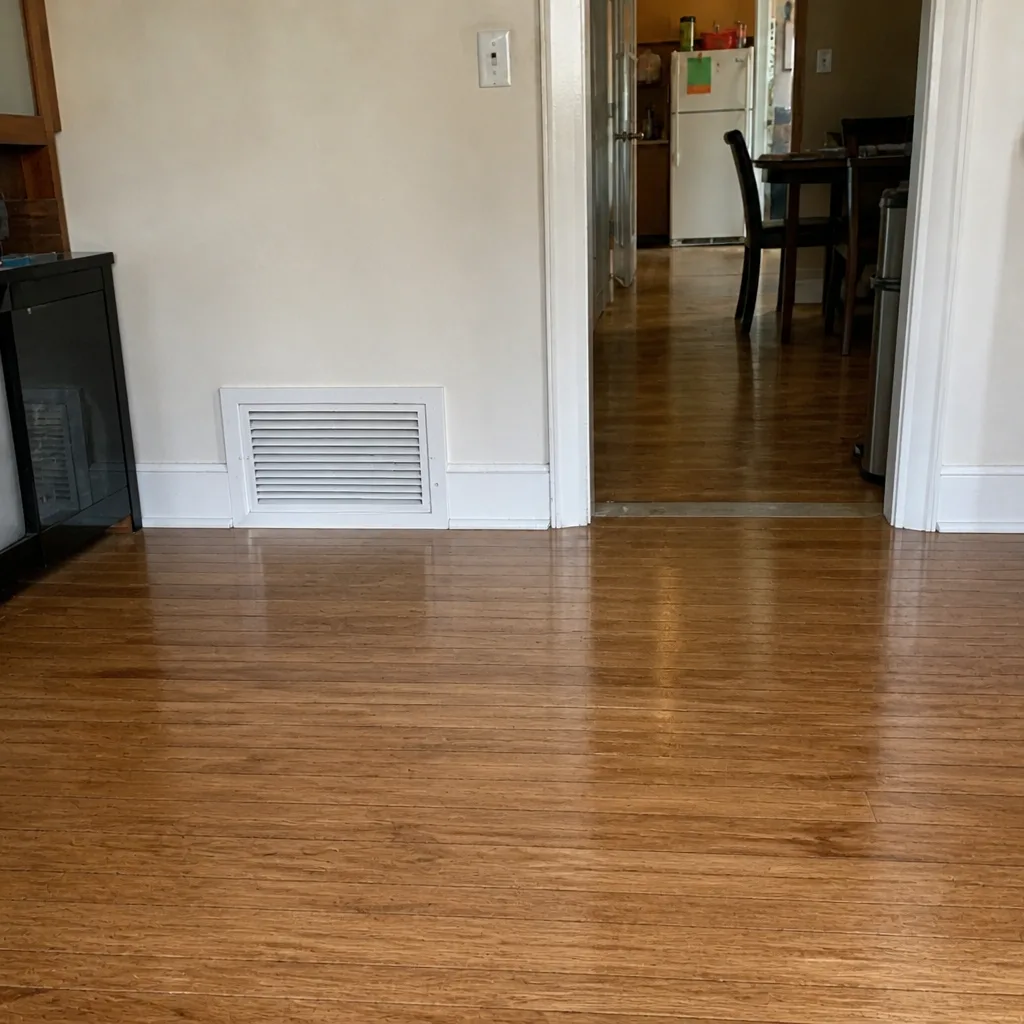
See the difference
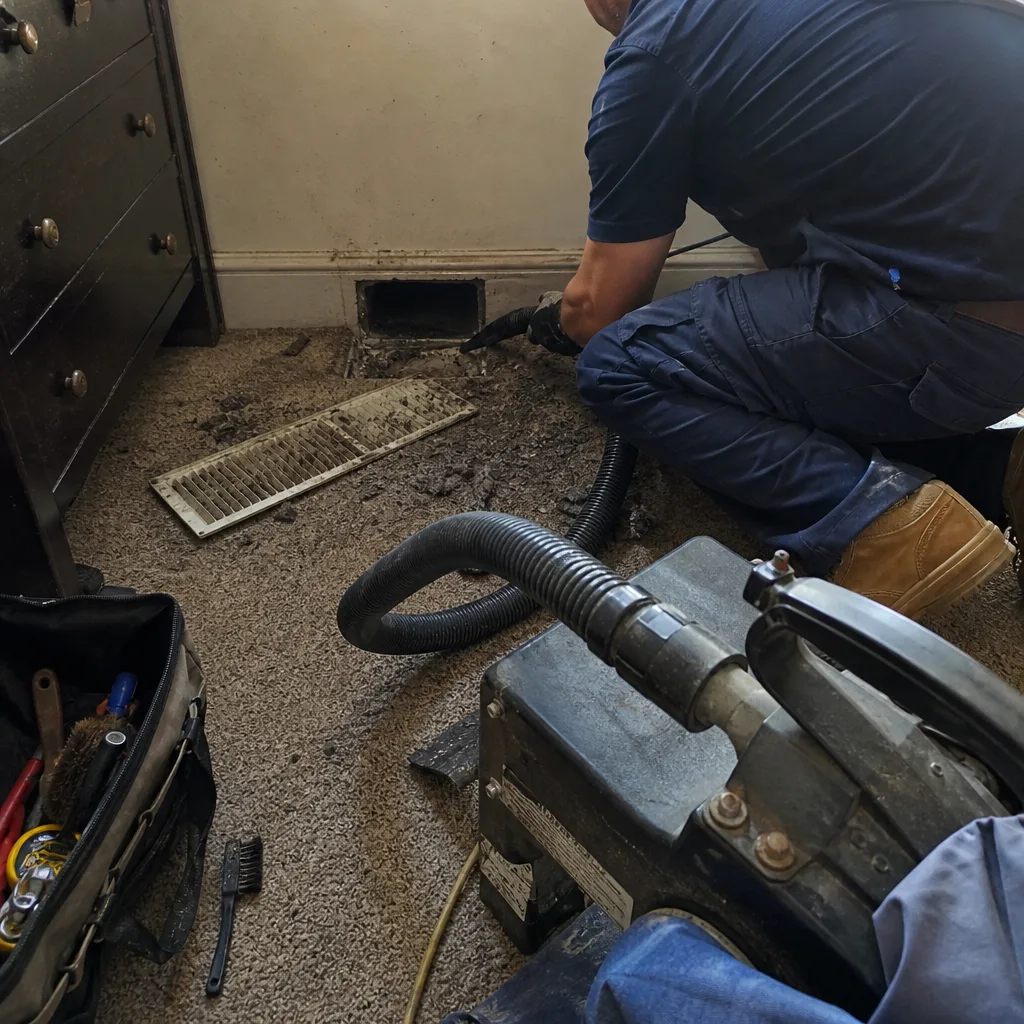 Before
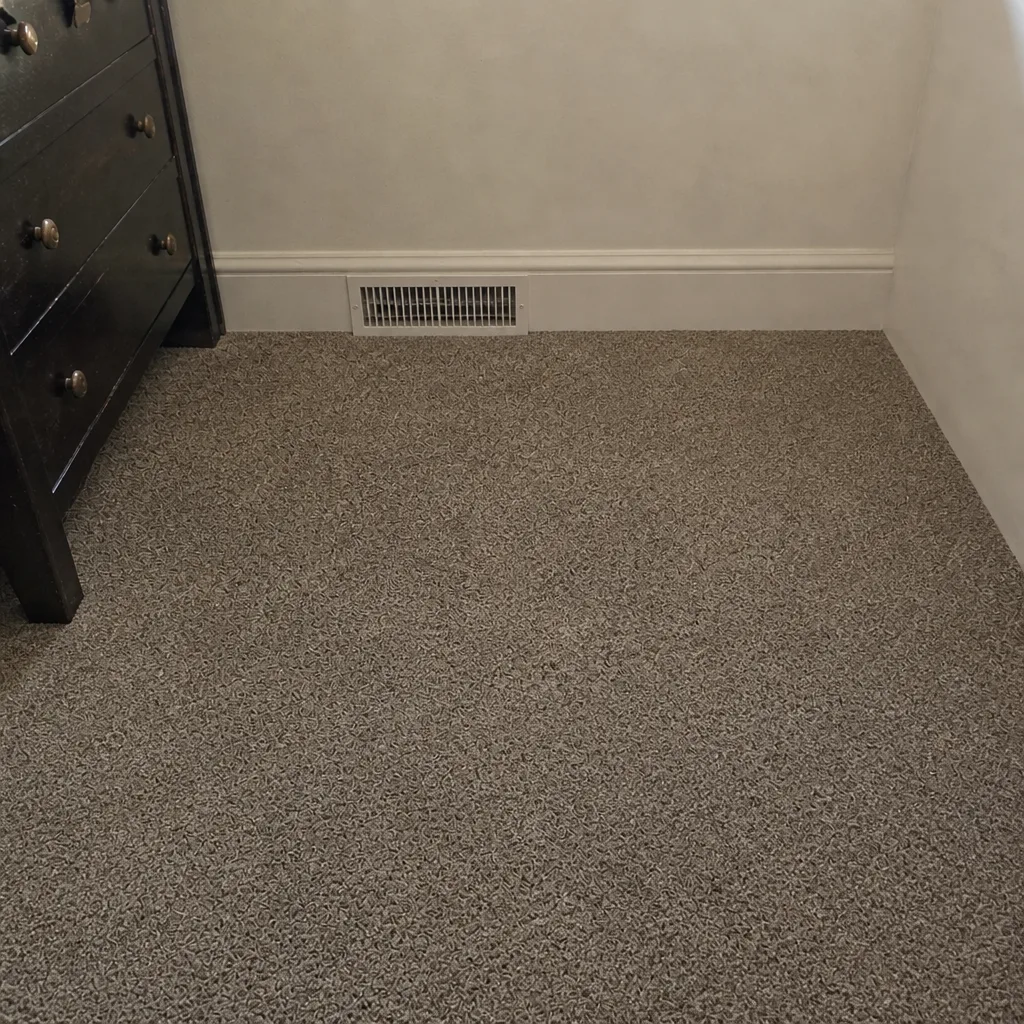 After
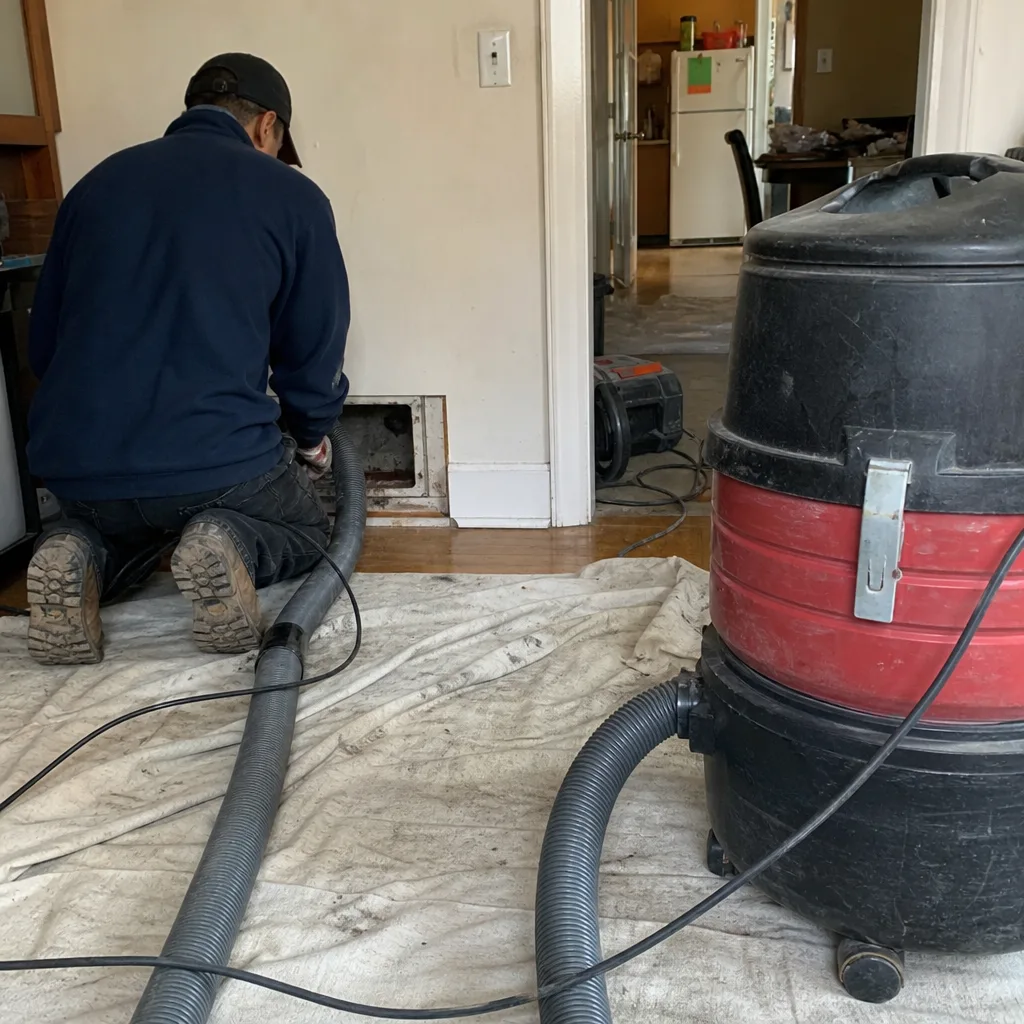 Before
 After
 Before
 After
When to Call a Professional
Some air-quality problems resolve with a filter change and some don’t. Call a professional if any of these describe your Highbridge home: persistent musty odor that returns after cleaning, visible dust plumes coming from supply registers when the system runs, worsening allergy symptoms that track with the heating or cooling season, energy bills climbing without a known cause, recent water intrusion near ductwork or the air handler, or a construction project that ran adjacent to the return pathway for weeks. If you’re a property manager handling multiple units, call when one tenant reports the odor or symptom pattern – the shared return pathway means adjacent units are likely affected too.
Air Duct Cleaning Highbridge offers free estimates in Highbridge. Call (888) 219-1385. We answer 24/7. Fast dispatch from 7am to 7pm, Sunday through Friday. Technicians have up to 14 years of experience, and the local professional connected with you is licensed and insured as their state requires. One flat price per system agreed before work starts, before-and-after photos of your own ducts, and a satisfaction guarantee.
Frequently Asked Questions
Most Highbridge homes need a full cleaning every two to three years, with the optimal single visit scheduled in late September through mid-October. Homes with pets, recent renovations, or ongoing construction activity nearby often need cleaning closer to every two years or an extra inspection between full cleanings. The point is to clean at the right phase – after humidity drops and before the heat comes on – rather than on an arbitrary annual schedule that lands in the wrong season.
It’s not ideal. Cleaning at peak summer humidity creates conditions where residual moisture left in the system can support mold colonization within about 72 hours. A careful technician dries the system thoroughly, but the ambient humidity fights the process the whole way. Fall cleaning avoids that entirely. If July is your only option due to a particular problem, it can be done – just plan for a follow-up inspection.
Duct cleaning in Highbridge typically runs in the range you’d expect for a full city apartment or small home – full-system range, not a per-vent pricing scheme. We don’t quote a per-vent price or a teaser coupon figure, because the honest answer depends on how many zones, how much contamination was found, and whether repair or sanitizing gets added. The written estimate sets the final price, and the estimate is free. Call (888) 219-1385 for an exact quote – estimates are free.
Cheap quotes usually cover a vent-blowout, not a full-system clean. A crew that opens each register and blows shop-vac air through will leave the duct walls, return chases, and air handler cabinet untouched – which is where most of the contamination actually sits. They also typically don’t inspect for leaks, don’t seal anything, and don’t provide before-and-after photos. Ask any contractor to describe the equipment they’ll use and whether they’ll seal the system afterward. Rotobrush and Nikro equipment, mechanical agitation, containment, and a sealing step are what a proper clean looks like. Call (888) 219-1385 for an exact quote – estimates are free.
On a legitimate job, you see before-and-after photos of your own ducts, not stock images. Ask for interior shots of the main trunk, the air handler cabinet, and the return chase before and after the clean. Ask whether the system was sealed afterward, and ask which products were used if sanitizing was performed. Any contractor unwilling to show you the evidence of the work is a red flag. Call (888) 219-1385 for an exact quote – estimates are free.
Yes, but indirectly. The river humidity raises outdoor dew points, which pushes AC systems to run longer, which produces more condensate. Ducts running through unconditioned spaces – common in older Highbridge buildings – sit cooler than ambient inside, so humid air pulled through leaks condenses on duct interiors. Poorly sealed return chases make it worse. That’s one reason duct repair and sealing is worth doing before the fall cleaning: seal first, then clean, and the result lasts far longer. Call (888) 219-1385 for an exact quote – estimates are free.
Often, yes. When a building renovation or street project runs adjacent to your return air pathway for weeks, filter change frequency should shorten and an inspection is worth scheduling before the next full cleaning. Contaminated particulate entering the return doesn’t just stay on the filter – it settles into the return chase and any duct sections downstream of a leak. Call (888) 219-1385 for an exact quote – estimates are free.
The Bottom Line
Air duct cleaning in Highbridge works best on a contamination-phase schedule, not a fixed annual one. Late September through mid-October is the optimal window for most homes that run both AC and heat – it lands between summer humidity and heating-season startup, which is exactly where the biggest contamination load sits on either side. Run MERV-11 as the baseline, step up to MERV-13 only when the duct system has static pressure headroom, and use sanitizing when inspection findings warrant it rather than as a default. Schedule air duct cleaning before the heat comes on, add dryer vent cleaning to the same visit, and let HVAC cleaning cover the air handler and coil that the duct scope won’t reach. And when you compare quotes, listen for equipment and sealing – not just the opening number.
Schedule Your Fall Cleaning
If you’re in Highbridge and your system hasn’t been cleaned since last heating season, the right time to check is now. Call (888) 219-1385 for a free estimate. We answer 24/7. Fast dispatch from 7am to 7pm, Sunday through Friday. One flat price per system agreed before work starts, before-and-after photos of your ducts, and a satisfaction guarantee. Our technicians have up to 14 years of experience, and the local pro connected with you is licensed and insured as their state requires. One call covers cleaning, repair, and air-quality upgrades – no second vendor needed.
Written by the team at Air Duct Cleaning Highbridge.