
Last updated November 22, 2026
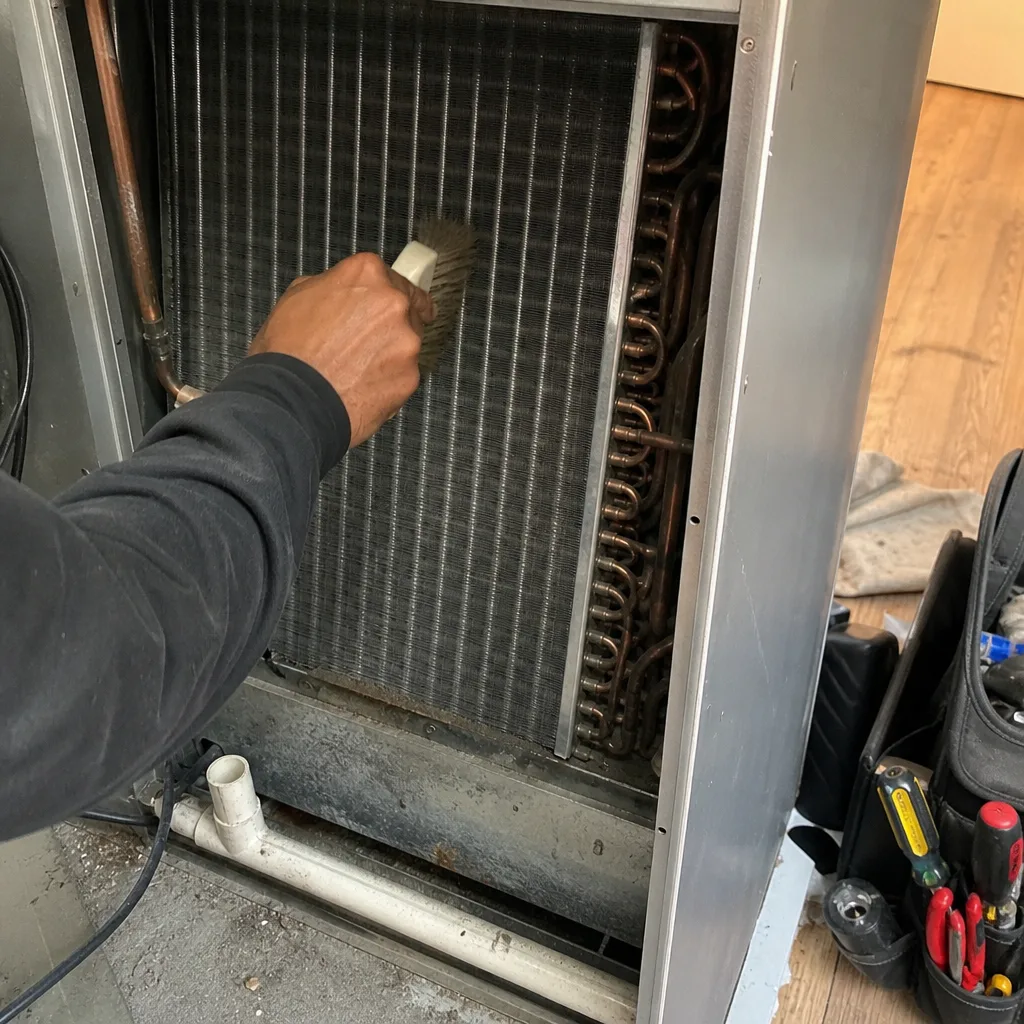
 Whole-home duct cleaning
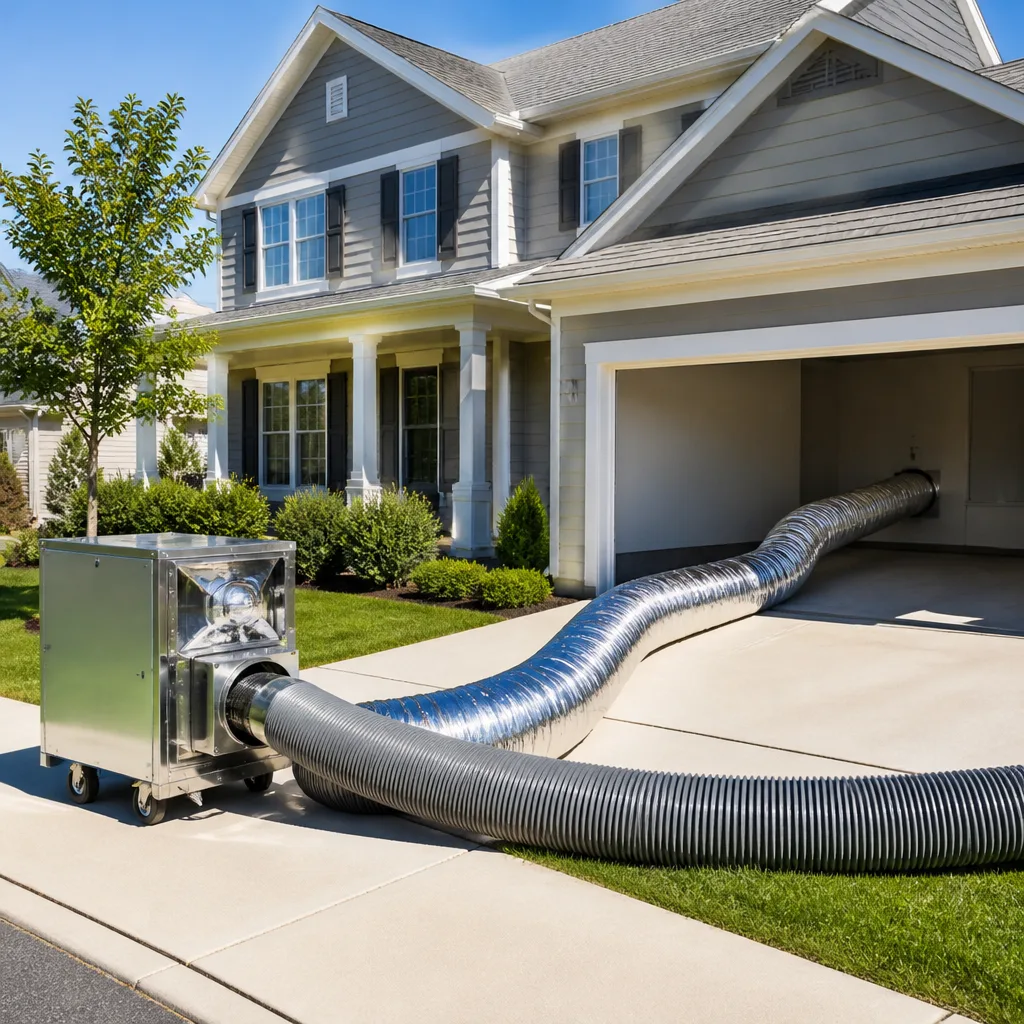
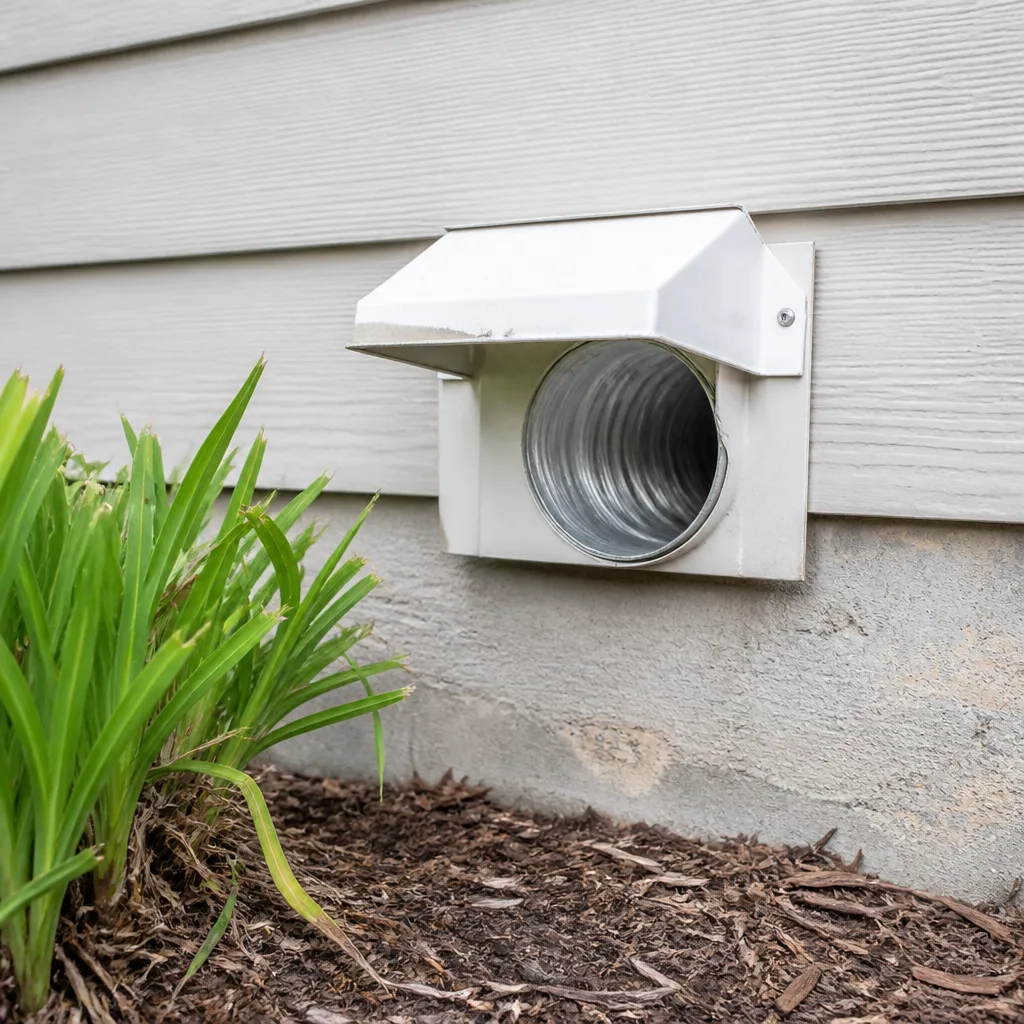 Dryer vent cleaning
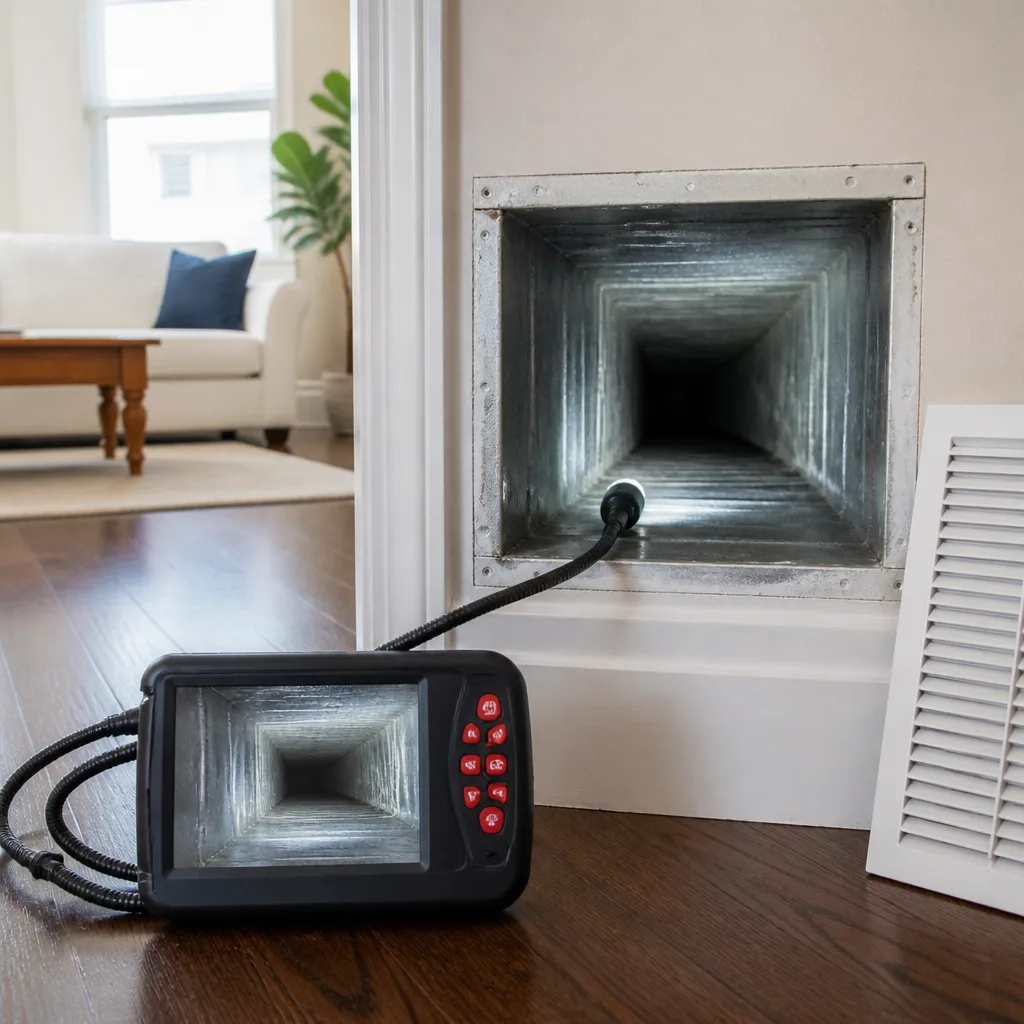 Camera inspection
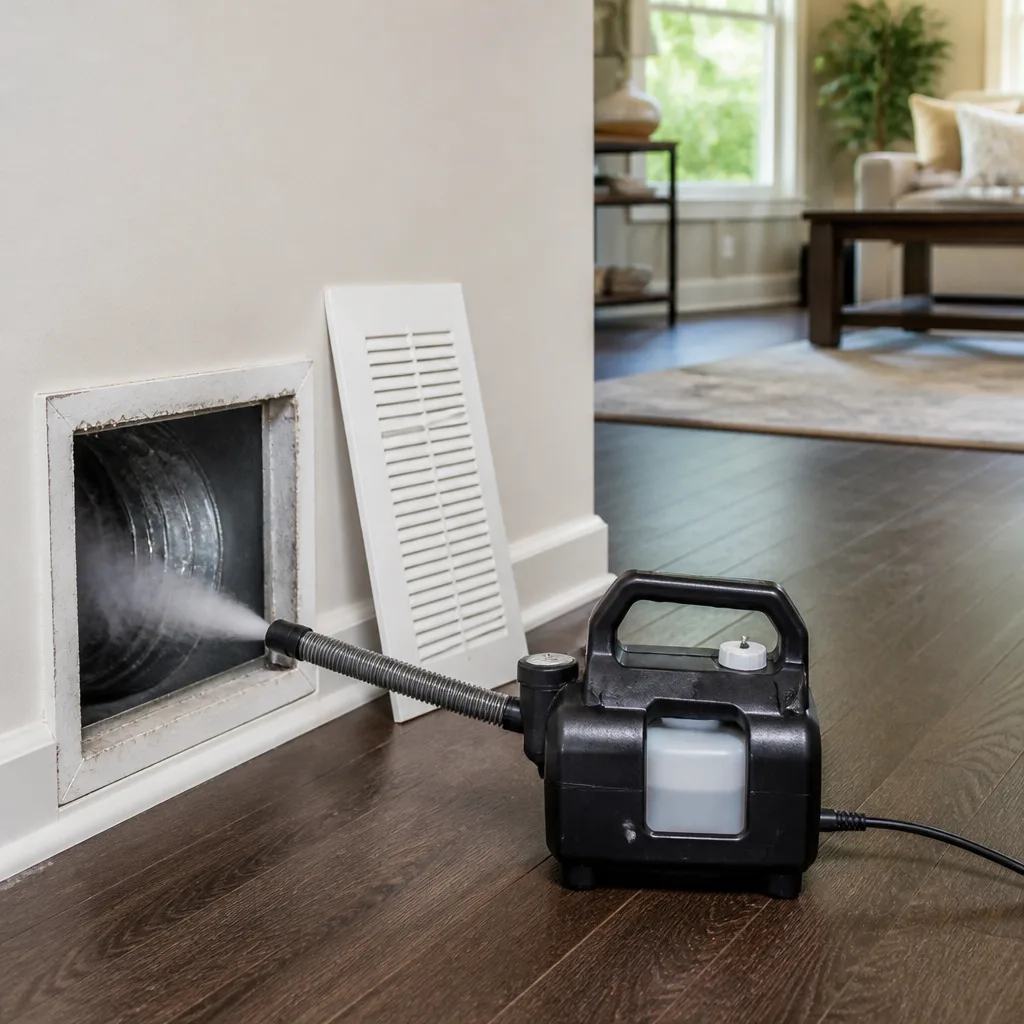 Sanitizing & deodorizing
Whole-system duct and dryer vent check with before-and-after photos - you see exactly what came out of your vents
That "$99 whole-house special" is a bait ad - the real number appears once they are in your hallway, or the "clean" is a shop-vac at the register. We photograph the inside of your ducts before and after instead.
Air Duct Cleaning Maintenance Checklist for Highbridge Homeowners
The most common cause of fast duct recontamination isn’t dirty outdoor air. It’s a filter that’s slightly the wrong size. When a filter is a quarter-inch short of its slot, or bowed at the frame, or simply the wrong nominal thickness for the return grille it sits in, air takes the path of least resistance and slips around the edges instead of through the media. That gap is called bypass, and it routes unfiltered air straight into the trunk line, past the filter entirely. Homeowners in Highbridge who vacuum their registers every month can still end up with a dust-loaded system for exactly this reason. This guide lays out a diagnostic rhythm you can actually run yourself, using observable evidence at the registers, the return grille, and the filter slot, plus the seasonal checks that fit Highbridge’s climate. By the end you’ll know what to look at, what each finding signals, and when to stop and call a professional.
Quick Answer
A homeowner air duct maintenance checklist for Highbridge should include monthly visual checks at accessible registers, a filter-bypass test at the return grille using a tissue, a filter swap on the manufacturer’s schedule, a pre-heating-season duct inspection in October, a post-pollen check in May, and a written log of findings after every professional cleaning. The point isn’t to clean ducts yourself. It’s to catch filter bypass, moisture intrusion, and mechanical failures early, before they turn into a remediation job. Most homeowners can complete the monthly and seasonal items in about twenty minutes per check with no tools beyond a flashlight and a white tissue.
Styles & brands we work with
- Whole-home duct cleaning
- Dryer vent cleaning
- Camera inspection
- Sanitizing & deodorizing
Table of Contents
- Monthly Register Checks You Can Do Without Tools
- How to Test for Filter Bypass With a White Tissue
- Seasonal Tasks Built Around Highbridge’s Climate
- What to Log After Each Professional Cleaning
- Checklist Items for Homes With Humidifiers or In-Duct UV
- Why Dryer Vent Cleaning Belongs on the Same Checklist
- Duct Repair and Sealing: The Step Most Checklists Skip
- When the Checklist Says It’s Time to Call
Monthly Register Checks You Can Do Without Tools
Pick three or four registers you can reach safely, ideally one in a bedroom, one in a living area, and one on the lowest level of the home. Crouch down with a flashlight. Don’t remove the grille. What you’re looking for is a pattern, not a single speck of dust. A light even film of grey dust is ordinary and usually means the filter is doing its job and slowly loading. Patterns that deviate from that are the ones worth writing down.
Here’s what each discoloration pattern typically signals:
- Black or dark grey soot-like streaks near the grille bars: often points to a combustion source or candle smoke being pulled into the return, or to a filter that’s been overdue long enough for fine carbon to accumulate. Worth flagging.
- White or chalky dust at the register face: frequently drywall dust from recent renovation, or minerals from a humidifier putting out too much moisture. Not a cleaning emergency, but a sign the register should be wiped and the filter checked.
- Rust-colored or brownish staining around the grille screws: moisture. This is the finding that matters most. Any sign of water at a register deserves a professional look, because moisture in a duct is where biological growth begins.
- Fuzzy grey growth or a musty smell when you’re near the register: stop here and call. This is beyond a homeowner item.
- Visible debris, pet hair tufts, or construction grit inside the grille bars: the system is moving more than air. Note the register location and how much you see.
In Highbridge, where heating season runs long and homes cycle between heated dry air and humid summer air, moisture findings at registers are the ones we see surface most often in the shoulder months. Note the date and the register location in your log either way, because a pattern over three months tells you far more than a single snapshot.
How to Test for Filter Bypass With a White Tissue
Filter bypass is the single most underdiagnosed issue in residential duct systems, and you can test for it in about thirty seconds. Hold a single-ply white tissue flat against the return grille while the system fan is running. Watch the edges of the grille and the tissue, not the center.
- Turn the fan on from the thermostat. You want continuous fan, not a heating or cooling call, so the airflow is steady.
- Hold the tissue at the center of the return grille. If it pulls flat and stays flat, the return is drawing air properly. Good sign.
- Move the tissue to the edges and corners of the grille. If it flutters, lifts, or pulls unevenly at one corner, that grille is drawing air through a gap rather than through the filter media.
- Remove the grille and look at the filter fit. The filter should sit flush against the frame on all four sides. Any visible gap, bowing, or a filter that drops out when you tilt the frame means bypass.
- Check the filter’s nominal size against the grille label. Grilles are usually labeled on the inside of the frame. A filter that’s a half-inch narrow is the most common cause of bypass we find.
A bypass gap isn’t a cosmetic issue. It means the blower is pulling unfiltered air from the return plenum into the system, and that air carries whatever is in the return space: dust, pet dander, and in Highbridge’s older properties, sometimes debris from the basement or crawlspace. Sealing the gap is usually a matter of the right filter size and, in some cases, a gasket strip along the frame. If the gap is structural rather than a filter sizing issue, that’s a repair item.
Seasonal Tasks Built Around Highbridge’s Climate
Highbridge’s climate is a four-season one with a long, dry heating stretch and a humid summer. That shapes the checklist more than any generic advice you’ll find online. The two anchor dates to put on your calendar are October and May.
October: pre-heating-season duct inspection
Before the heat comes on for the season, run a full walkthrough. Check every accessible register for the discoloration patterns above. Look at the return filter and replace it. Open the mechanical closet or utility area and check for any water staining around the air handler or furnace cabinet. Listen to the system when it starts: a rattle, a whistle at a register, or a whoosh that’s louder than last year all indicate a change. In older Highbridge homes with basement duct runs, look along the visible duct sections for disconnected joints, sagging flex duct, or tape that’s peeled away from a seam. October is also the right month to schedule professional work if your log shows anything unusual, because you want it resolved before the heating season locks in.
May: post-pollen window
Spring pollen in the Highbridge area loads filters faster than any other season. Once the pollen window closes, replace the filter and do a register walkthrough. If you run a humidifier through the winter, May is the month to check for scale or mineral dust at the registers and to have the humidifier’s water panel or pad looked at. Note anything you find. A May snapshot compared against your October snapshot gives you a seasonal contamination baseline, which is far more useful than a single reading.
The rest of the year
- Monthly: register walkthrough and filter visual check.
- Quarterly: filter replacement, tissue bypass test at the main return.
- October and May: full seasonal inspection as above.
- After any renovation, roofing work, or pest treatment: an extra register check, because construction and treatment debris travel through the system.
What to Log After Each Professional Cleaning
This is the part almost every maintenance guide skips, and it’s the part that turns a cleaning into a baseline. After a professional cleaning, you should have a written record of what was found and what was done, in enough detail that a future technician can compare against it. Without that record, every future visit starts from zero.
What to capture in your log:
- Date of service and which parts of the system were cleaned: supply, return, trunk, branch runs, air handler, coils.
- Before-and-after photographs of the ducts and the air handler interior. Ask for them. A professional cleaning should come with visual proof of both states, not just a finished result.
- Filter bypass findings: whether any gap was found, its location, and what was done about it.
- Moisture findings: any staining, rust, or elevated humidity noted at registers or in the air handler cabinet.
- Repairs made: sealed joints, reconnected flex, replaced tape, or any duct repair.
- Sanitizing products used, if the system was sanitized, and which areas were treated.
- Air-quality equipment status: filter model and MERV rating if upgraded, humidifier condition, UV lamp hours if present.
Three or four cleanings across a few years, each with a proper log entry, gives you a real contamination baseline for your specific home. You’ll see whether the system is loading at a normal rate for Highbridge, or whether something is putting more particulate into the return than it should. When you schedule the next cleaning, hand the log to the technician. It saves diagnostic time and it makes the comparison immediate.
Checklist Items for Homes With Humidifiers or In-Duct UV
Generic checklists assume a plain filter-and-duct system. If your Highbridge home has a whole-house humidifier or an in-duct UV system, several additional items belong on your monthly and seasonal list, and skipping them is how these components quietly degrade.
Whole-house humidifier
- Check for mineral scale at the humidifier pad or water panel. Scale reduces output and can flake off into the airstream. Most manufacturers specify a replacement interval; follow it rather than waiting for a visible problem.
- Look for white dust at nearby registers. This is the signature of a humidifier putting out more mineral content than the air can carry. It’s often a water-panel issue or a setting issue.
- Check the humidistat setting seasonally. A setting left high into spring pushes excess moisture into the ducts, which is exactly the condition that promotes growth.
- Inspect the water supply line and drain for leaks at the start of each heating season.
In-duct UV system
- Note the lamp install date. UV lamps lose effective output long before they stop glowing. Log the date and follow the manufacturer’s replacement interval.
- Check the lamp is actually powered and lit during your October walkthrough. A dead lamp in a system that relies on it is a silent failure.
- Wipe the lamp sleeve or lamp surface per the manufacturer’s instructions when you check it. Dust film on the lamp reduces what reaches the airstream.
- Look for any moisture at the UV installation site. UV systems belong in a dry section of the system; moisture there is a flag.
When you do have the system professionally cleaned, tell the technician about these components before the work starts. Humidity control and filtration upgrades are best handled in the same visit as the cleaning, since the system is already open and inspected. We carry Honeywell and Aprilaire air-quality products for exactly that reason: the cleaning and the upgrade happen together rather than as separate appointments with separate vendors.
Why Dryer Vent Cleaning Belongs on the Same Checklist
A dryer vent isn’t part of your HVAC ductwork, but it is part of your home’s air and fire-safety picture, and it deserves a spot on the same seasonal checklist. Lint accumulation in a dryer vent restricts airflow, which raises dryer temperature and drying time, and that’s the mechanism behind most dryer-vent fires. This is a fire-safety service, not an add-on to pad a bill.
What to check yourself between professional cleanings:
- Drying time. If a load that used to take one cycle now takes two, airflow is likely restricted.
- Heat at the exterior vent. With the dryer running, the exterior flap should open and warm, moist air should come out. Weak or no airflow is a flag.
- Lint behind and under the dryer. A visible buildup there usually means the same is happening inside the vent run.
- The vent run itself. Long runs with multiple elbows, or flexible foil or plastic duct, load faster and should be checked more often.
We tie dryer vent cleaning into the same appointment as duct work whenever a homeowner asks, because it’s the same visit and the same safety conversation. A dryer vent that hasn’t been cleaned in years is a hazard regardless of how clean the HVAC ducts are.
Duct Repair and Sealing: The Step Most Checklists Skip
Cleaning a leaky duct system is a partial job. If the ducts leak, the cleaning removes what’s there, and the leaks re-introduce unfiltered air from unconditioned spaces: attic air, crawlspace air, basement air. In Highbridge’s older housing stock, where duct systems have often been modified or extended over the years, leaking joints and disconnected runs are common findings. That’s why duct repair and sealing belongs on the maintenance checklist as a diagnostic item, not just a repair you call about when something breaks.
What a homeowner can look for along visible duct runs:
- Peeled or dried-out tape at joints. Duct tape ages; when it curls or dries, the joint is open.
- Sagging flexible duct or sections that have dropped away from their hangers.
- Visible gaps at seams, boots, or where the duct meets a register.
- Dust streaks radiating from a joint. A dust line at a seam is the classic visual signature of air escaping under pressure.
- Temperature differences room to room that seem to get worse over time, which often trace to leaking supply runs.
If you find any of these, note the location and have them addressed. The right fix is professional sealing and repair, done after the system is cleaned, so the seal holds on a clean surface. Cleaning the system and then sealing it means the work lasts. Cleaning a leaky system and leaving the leaks is how recontamination happens fast.
When the Checklist Says It’s Time to Call
Your checklist is doing its job when it tells you to stop. Call a professional if you find moisture staining, rust, or fuzzy growth at any register, because those are the findings that turn into remediation work if they’re left. Call if the tissue test shows a bypass gap you can’t resolve with a correctly sized filter. Call if you see disconnected or crushed duct runs along a visible section, or dust streaks at joints. Call if the system hasn’t been professionally cleaned and you don’t have a baseline log to compare against. And call if anyone in the home has noticed worsening allergies or a musty smell that follows the system.
For a full cleaning, the right equipment matters. Professional systems like Rotobrush and Nikro, the same class of equipment used in commercial HVAC work, do a mechanical clean that consumer-grade tools can’t reach. Abatement Technologies filtration equipment handles the contaminant-control side when the job involves mold spores or heavy particulate. In our experience across Highbridge homes, the difference between a thorough mechanical clean with proper negative-pressure containment and a quick vent blow-out is measurable at the next inspection.
Air Duct Cleaning Highbridge offers free estimates in Highbridge. Call (888) 219-1385. We answer 24/7. Fast dispatch from 7am to 7pm, Sunday through Friday. When you call, have your log or photos ready; it helps us scope the work accurately.
See the difference
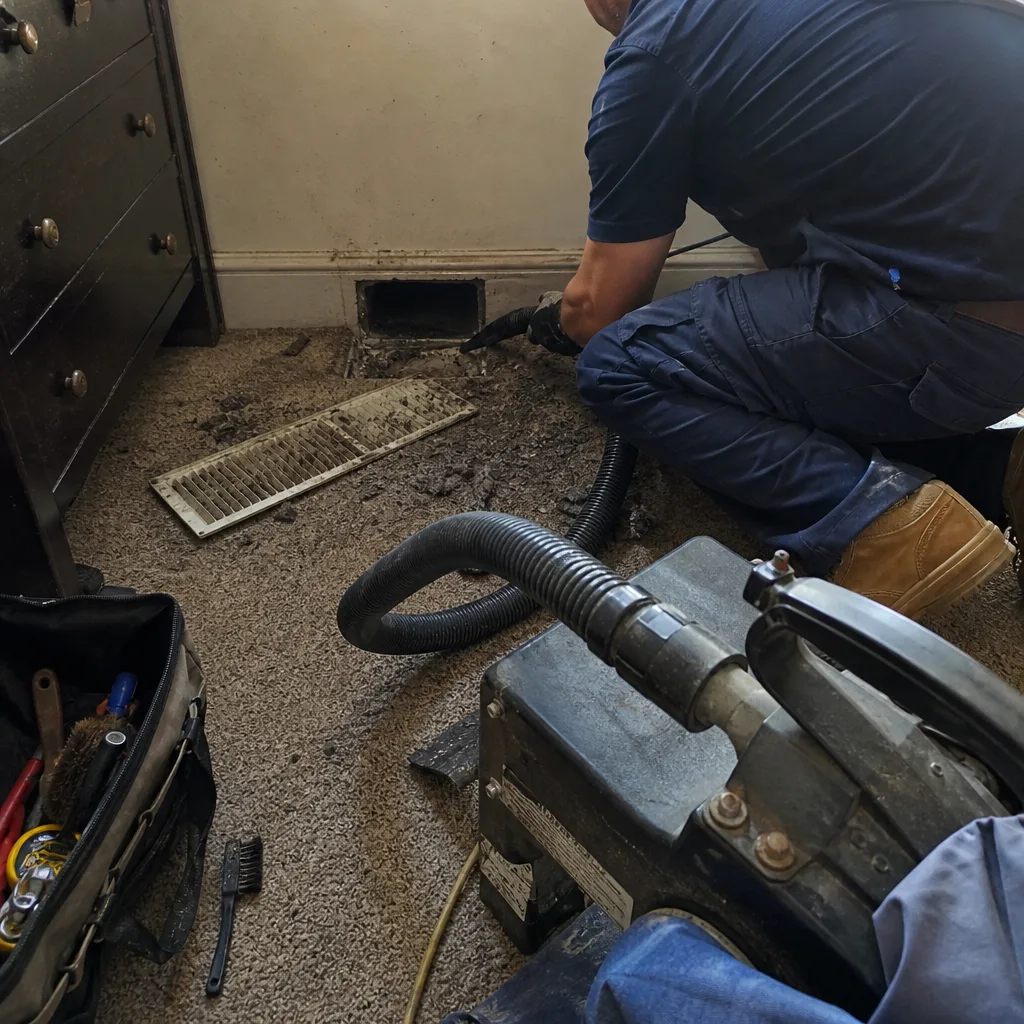 Before
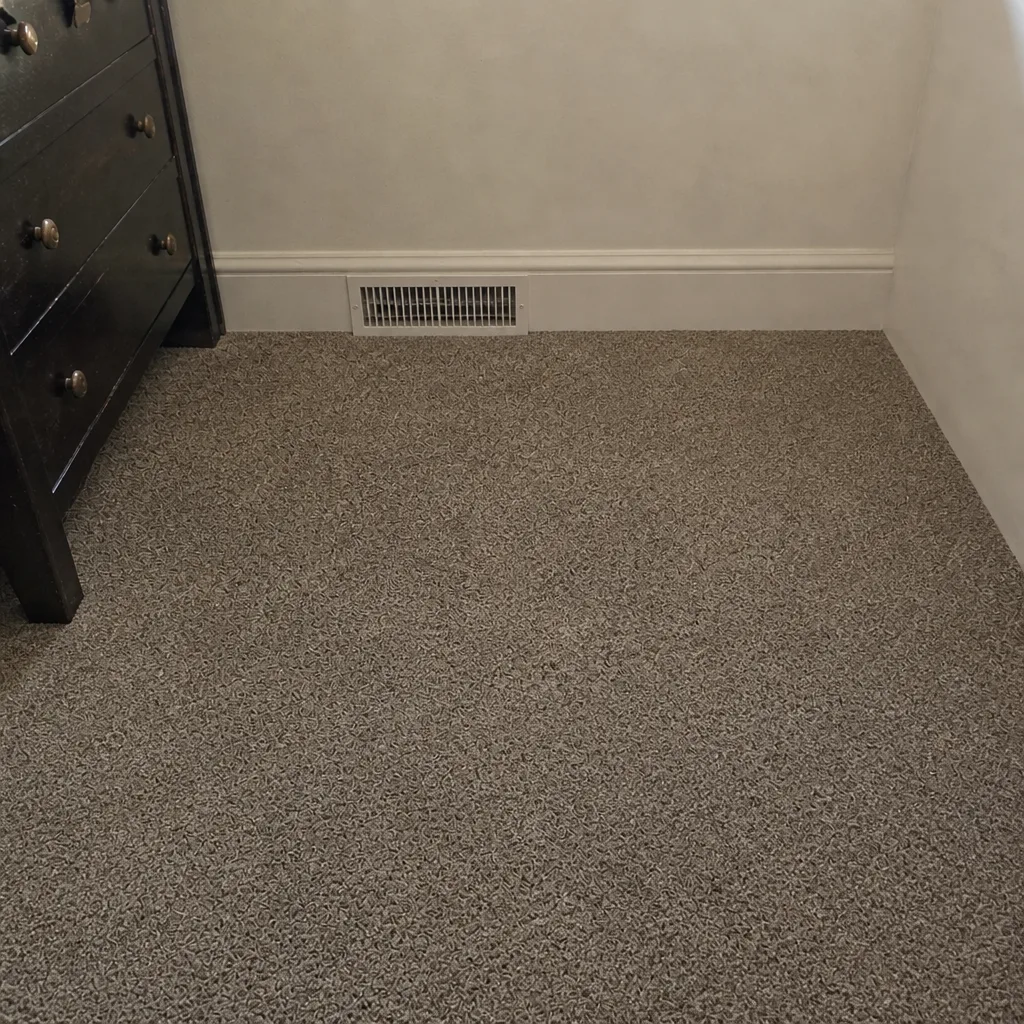 After
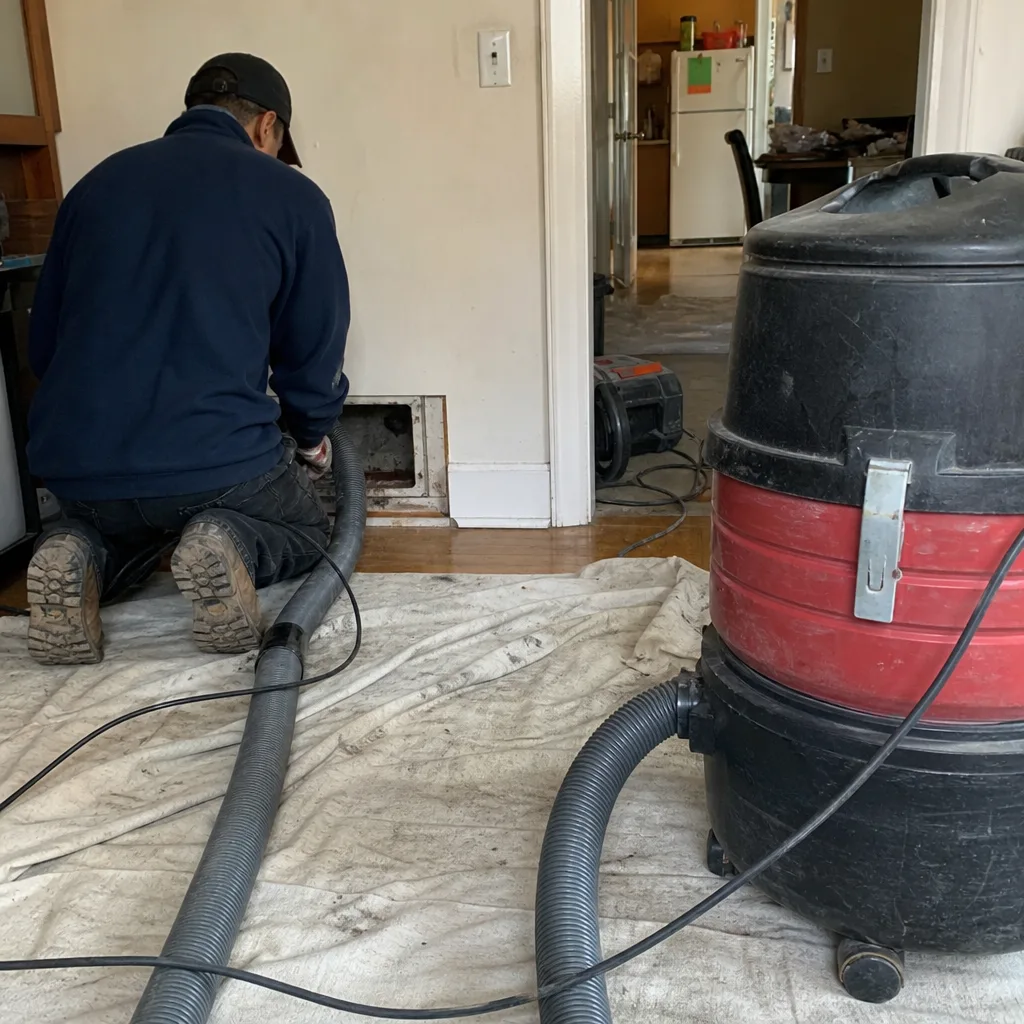 Before
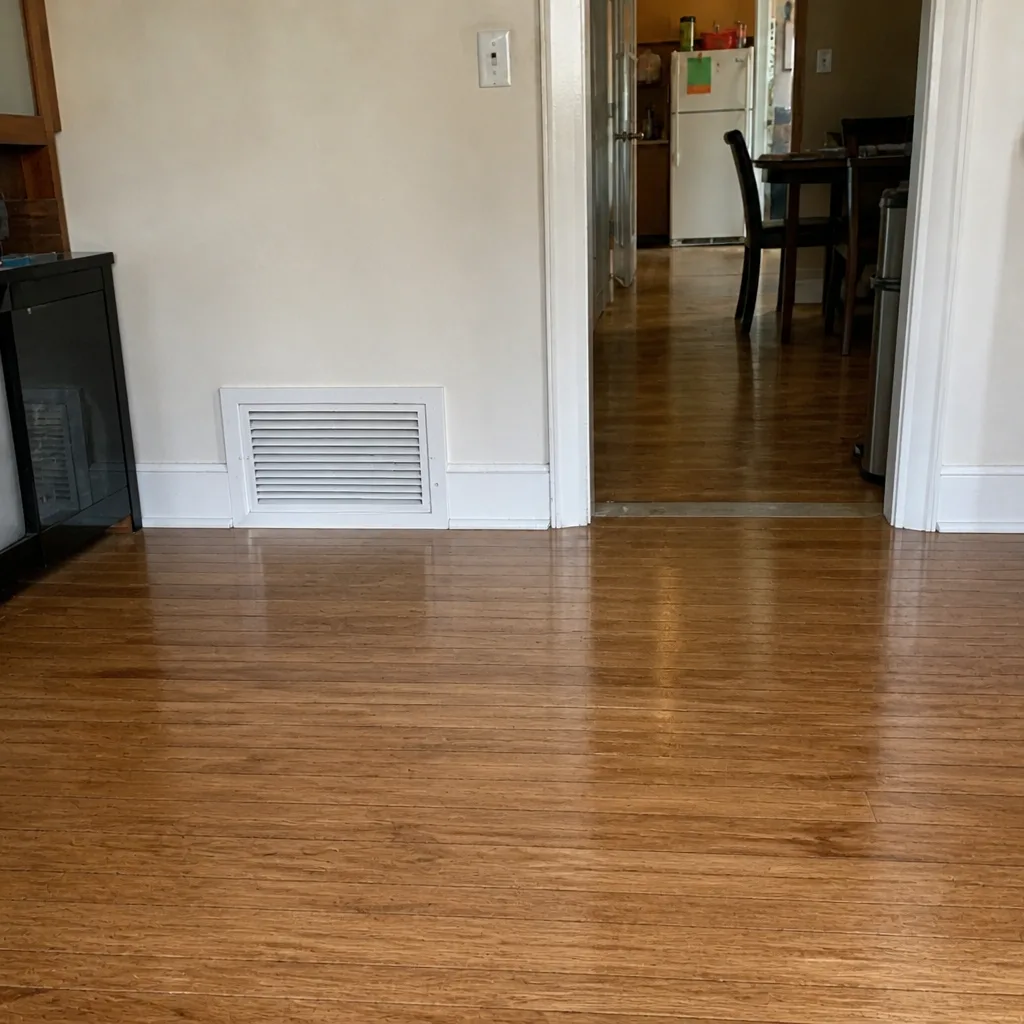 After
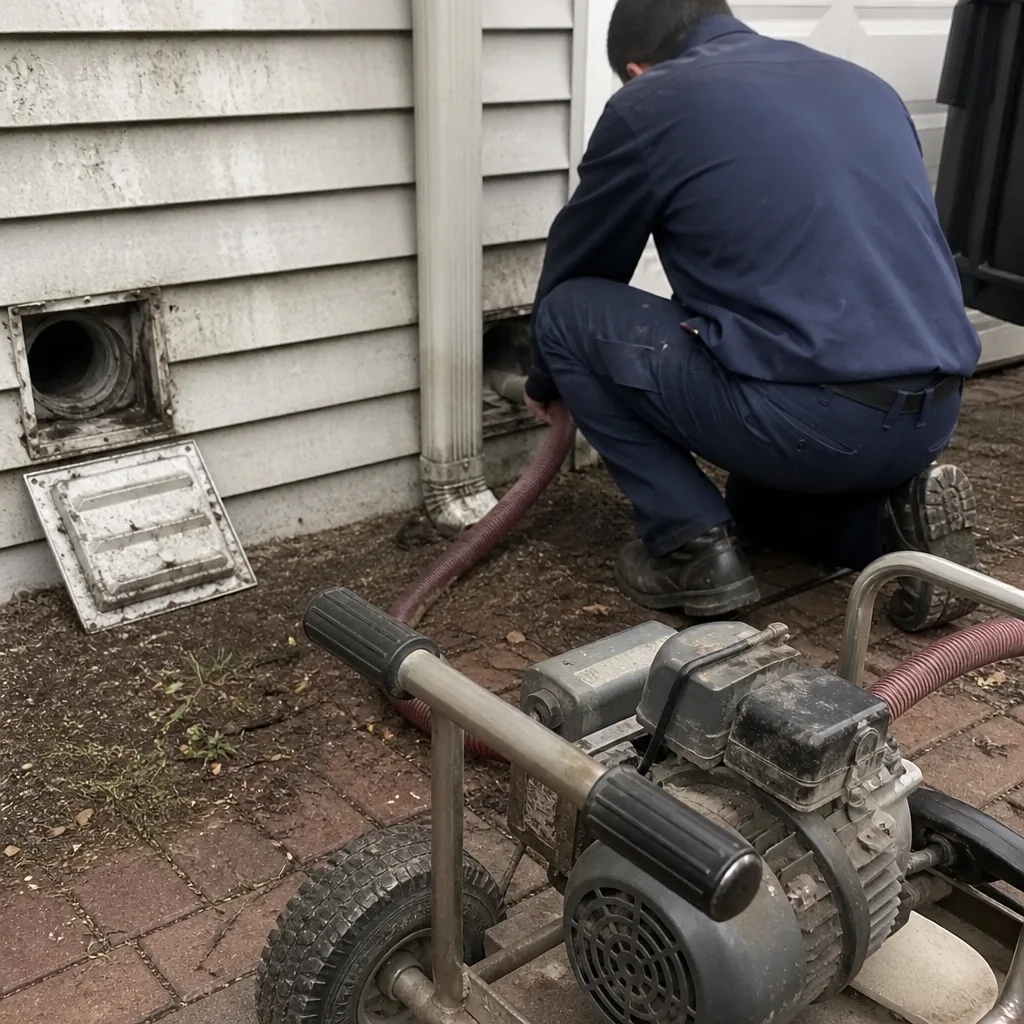 Before
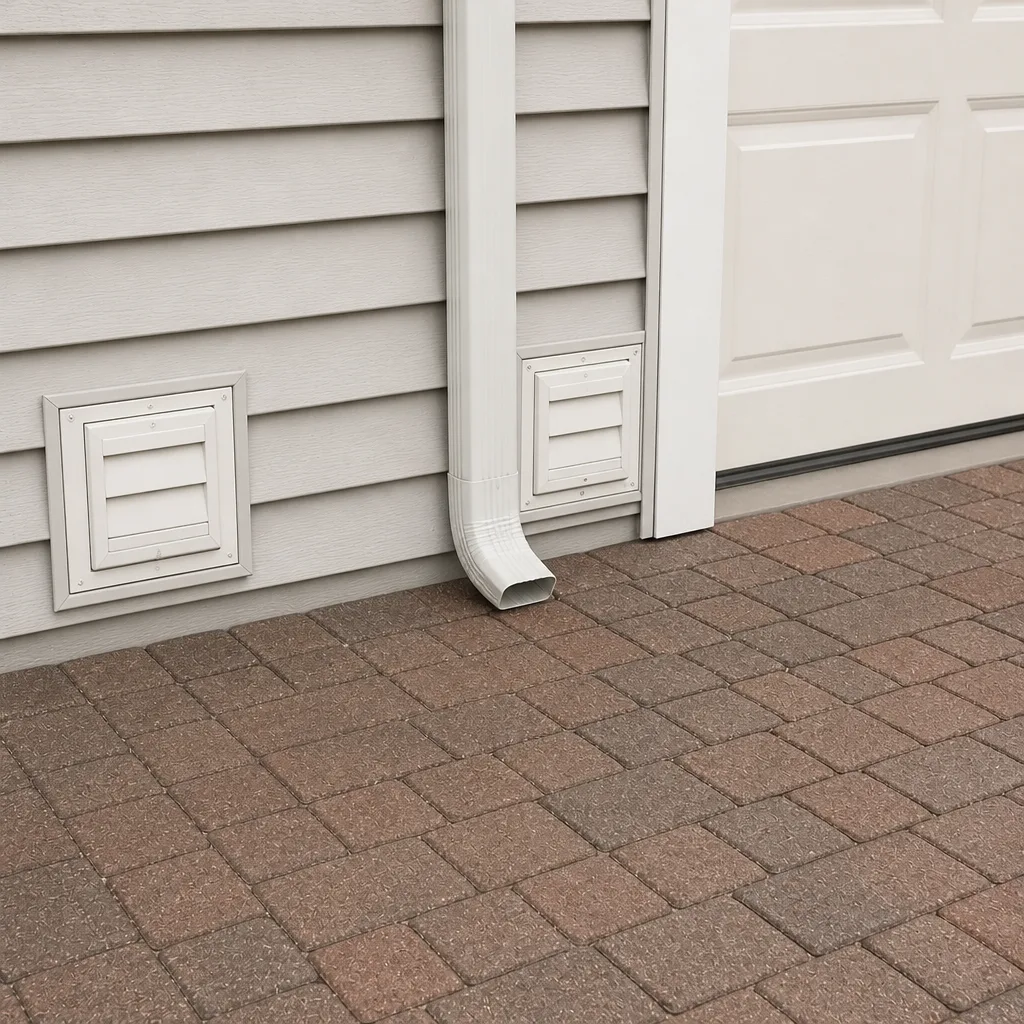 After
Common Mistakes to Avoid
- Buying the cheapest filter and assuming it’s fine. A filter that’s the wrong size for the slot creates the bypass gap that causes most recontamination. Match the nominal size to the grille label, every time.
- Skipping the October and May checks in a Highbridge home. The pre-heating-season inspection and the post-pollen window are the two checkpoints that catch seasonal load before it compounds. Miss them and you’re always reacting, never comparing.
- Cleaning ducts without sealing leaks. A leaky system pulls unfiltered air back in within weeks. Cleaning and sealing belong in the same engagement.
- Ignoring a humidifier that’s leaving white mineral dust at registers. That finding usually means a water-panel or setting issue, and left alone it puts mineral particulate into the airstream all season.
- Assuming a glowing UV lamp still works. Lamps lose effective output well before they fail. Log the install date and replace on schedule.
- Never asking for before-and-after photos. Without visual proof of both states, you can’t confirm the work was done, and you have nothing to compare against next time.
- Treating the dryer vent as unrelated to air safety. Lint buildup is a fire hazard, and it’s checked in the same visit as duct work. Put it on the same seasonal list.
Frequently Asked Questions
A full visual walkthrough of accessible registers should happen monthly, with a filter bypass test at the main return quarterly, and a deeper seasonal inspection in October and May. The monthly checks take about twenty minutes; the seasonal checks take longer and include the mechanical area. The goal is to establish a pattern over time, not to find a single issue. Call (888) 219-1385 for a free estimate when a check turns up something you can’t explain.
You know by comparing the before-and-after photographs and the written findings from the cleaning against your own log at the next check. A proper cleaning gives you documented before-and-after images, a list of what was accessed and cleaned, and any repair or sealing items. Without those, you have a receipt and no baseline. Ask for visual proof before the technician packs up.
No. A shop vac can reach a register face but cannot agitate and extract along the full duct run, and it doesn’t provide negative-pressure containment, so disturbed particulate ends up in the living space. Mechanical cleaning with professional equipment like Rotobrush and Nikro systems is what actually removes the load. Surface vacuuming at the grille is a homeowner item; duct cleaning is not.
It routes unfiltered air around the filter and directly into the trunk line, so the filter’s rating is effectively meaningless at that point. Air takes the path of least resistance, and a quarter-inch gap is easier than a loaded filter. Test with a tissue at the return grille, and if the tissue flutters at the edge, check the filter fit.
It’s usually a humidifier issue, not a duct issue: a scaled water panel, a setting that’s too high, or mineral content in the water supply. Left alone it deposits mineral particulate throughout the system. Check the panel and the setting first, and if it persists, have the humidifier looked at during a duct appointment.
You need both if you find dust streaks at joints, peeled tape, sagging flex duct, or disconnected runs. Cleaning removes the existing load; sealing prevents the next one. Call (888) 219-1385 for a free estimate and we’ll tell you which items your visible runs actually need.
The Bottom Line
A duct maintenance checklist for a Highbridge home is a diagnostic rhythm, not a cleaning schedule. The monthly register walkthrough, the quarterly tissue bypass test, and the October and May seasonal inspections are what catch filter bypass, moisture intrusion, and mechanical failures before they become remediation jobs. Log what you find and what a professional cleaning found, and ask for before-and-after photos every time, so you build a real contamination baseline for your own home. When the checklist turns up moisture, growth, or a leaky run, call a professional. Cleaning, repair, sealing, and air-quality upgrades belong in one engagement, not three vendors.
Call (888) 219-1385 for a free estimate. We clean the system, then we seal it, because a leaky duct undoes everything. Our technicians have up to 14 years of experience, and we show you what we found before we start and after we finish.
Written by the team at Air Duct Cleaning Highbridge.