
Last updated November 22, 2026
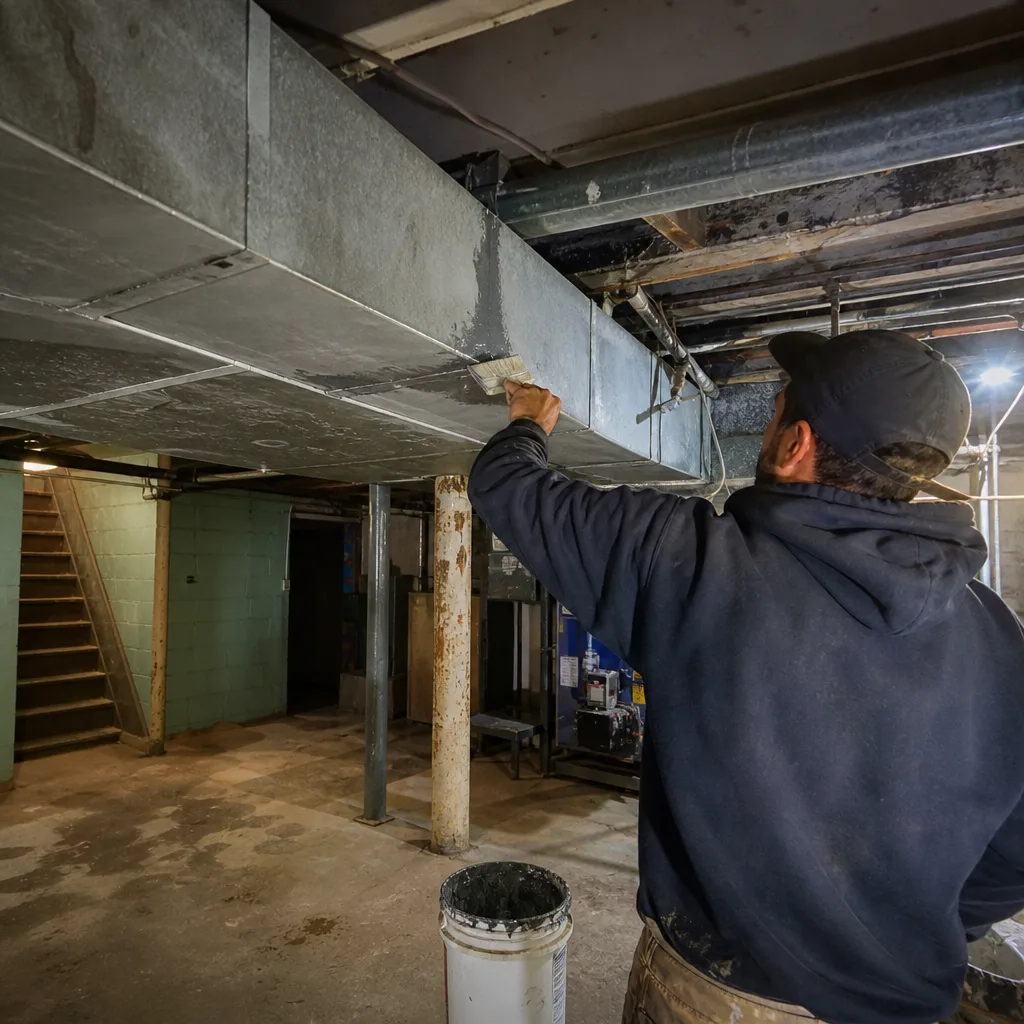
 Whole-home duct cleaning
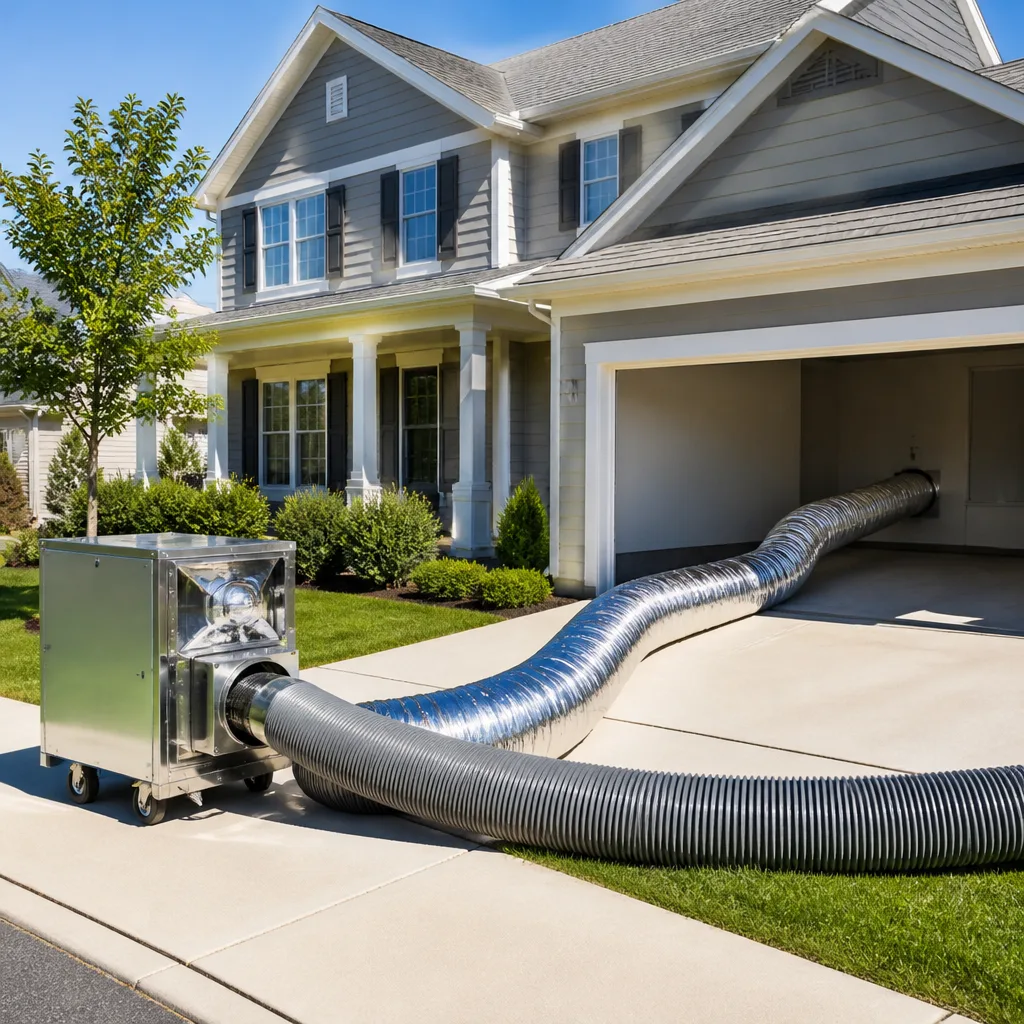
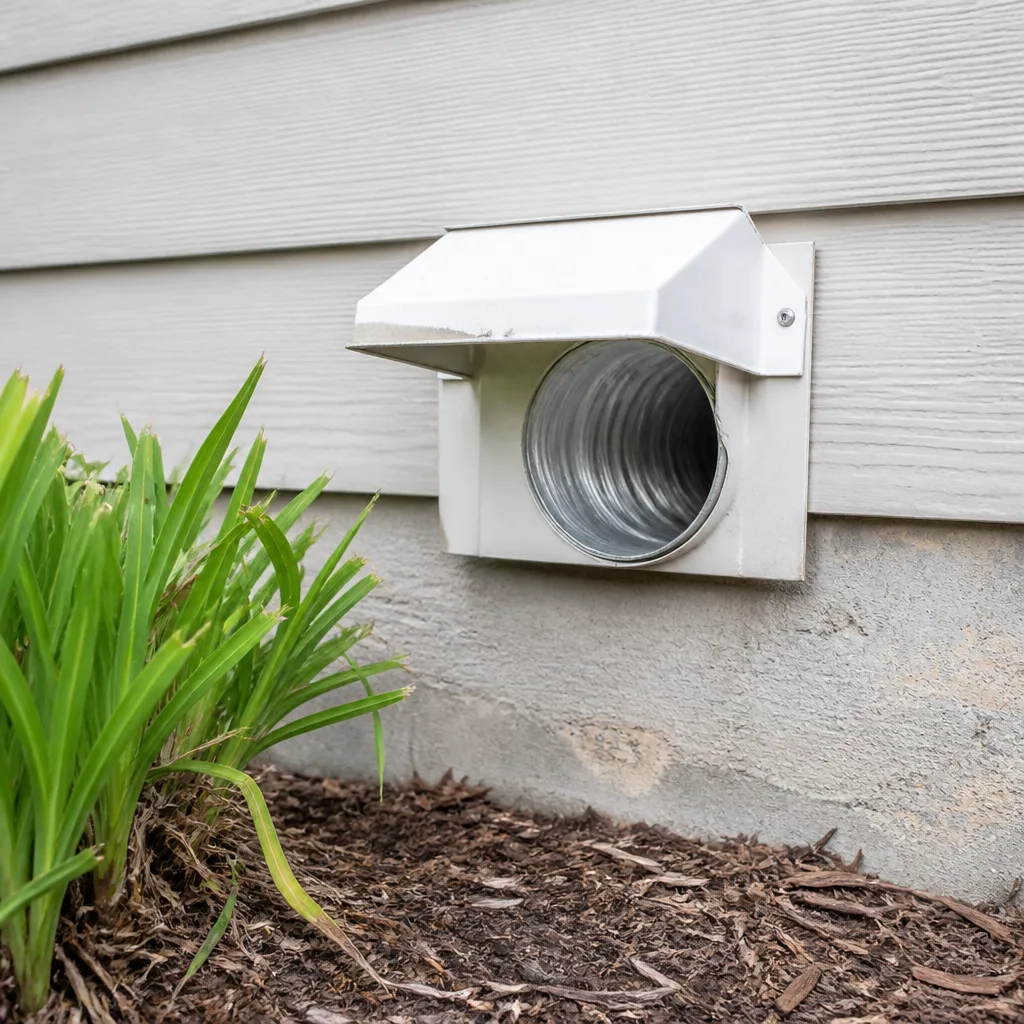 Dryer vent cleaning
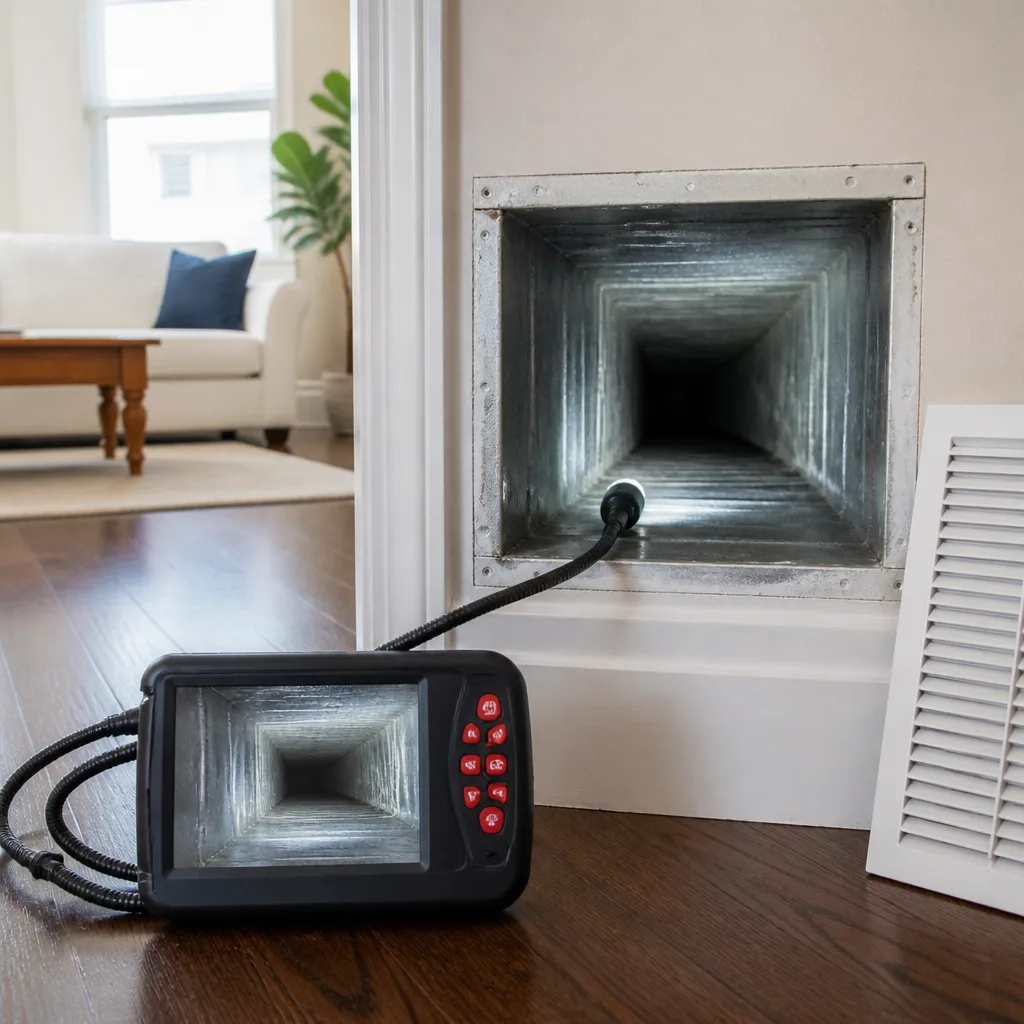 Camera inspection
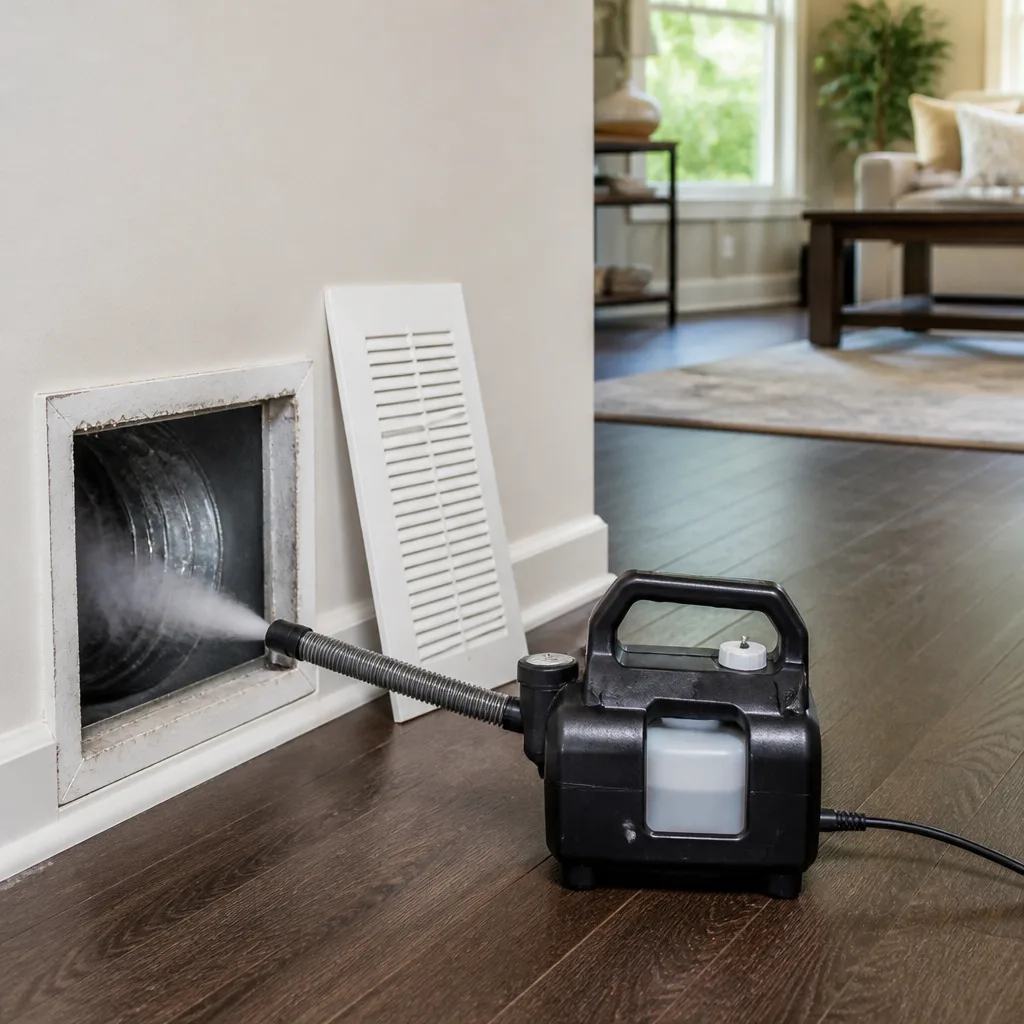 Sanitizing & deodorizing
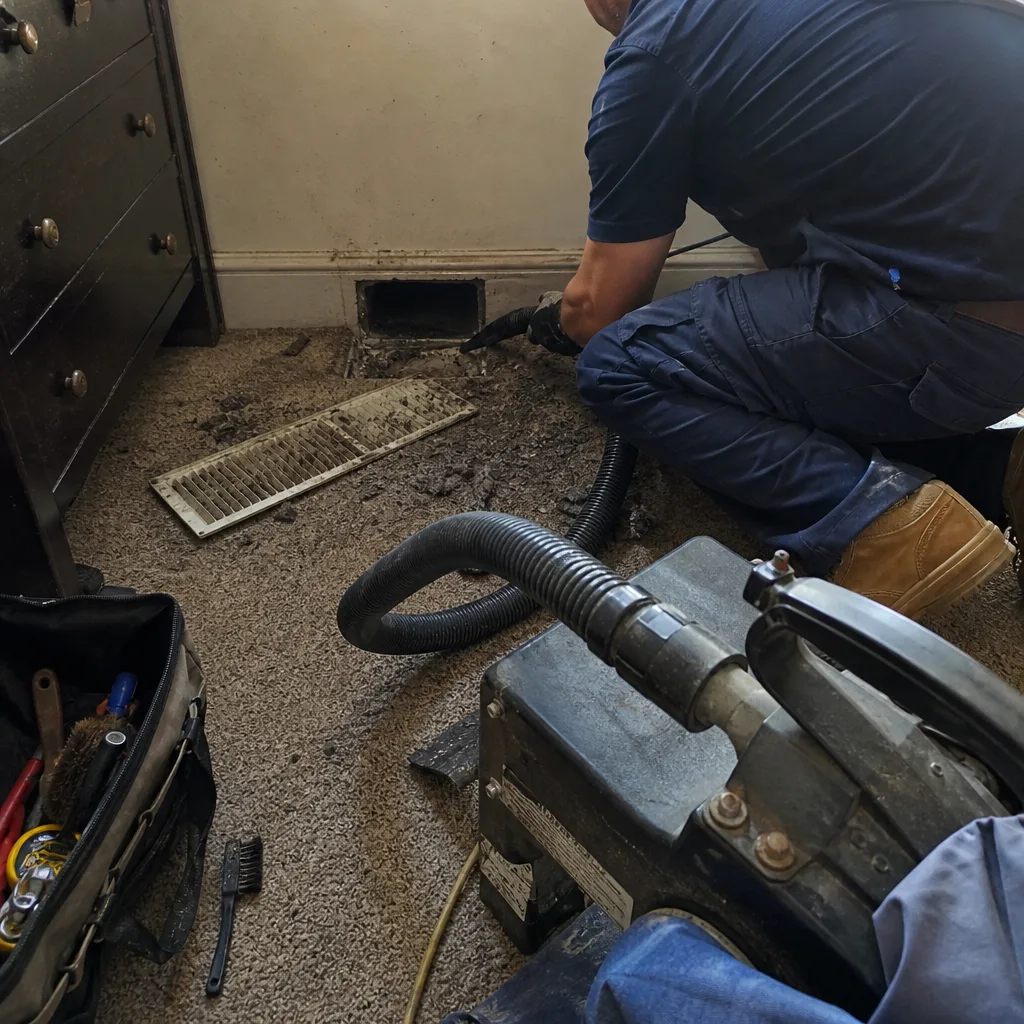
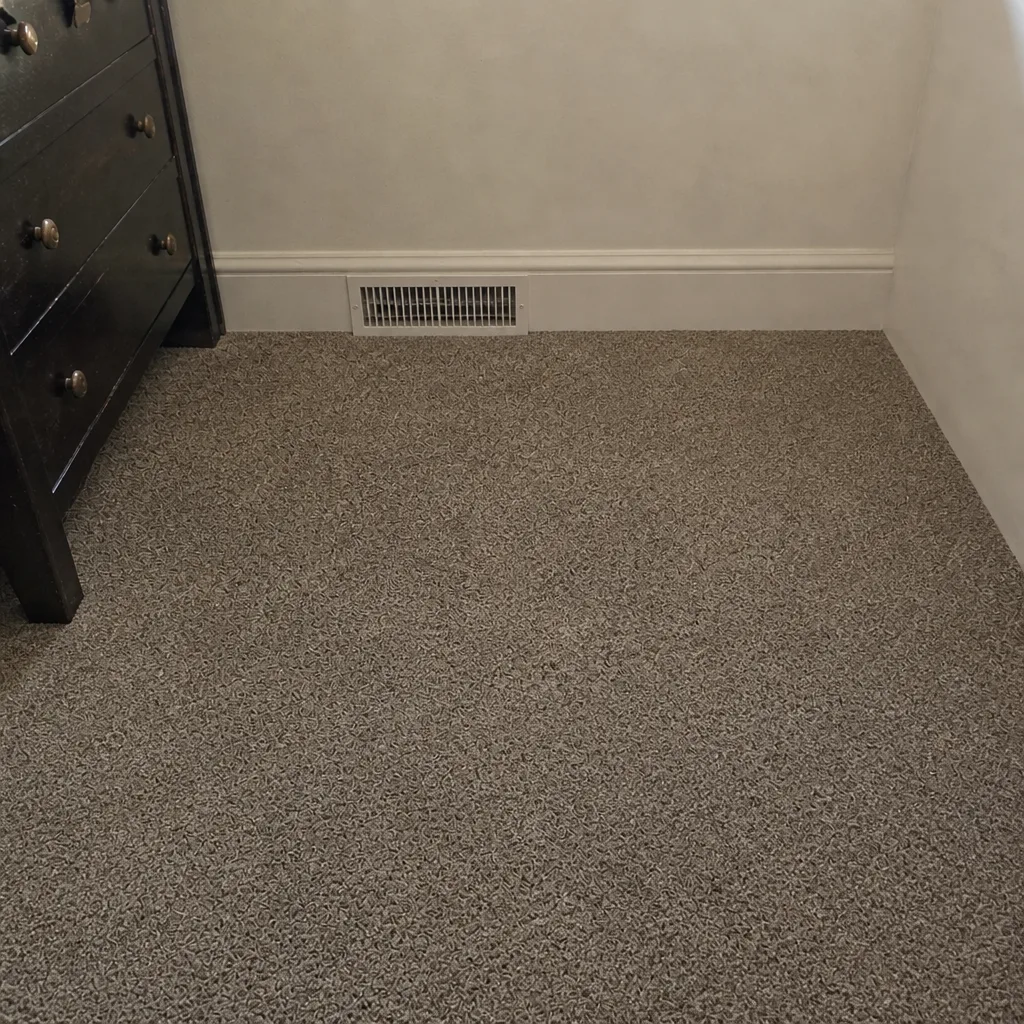
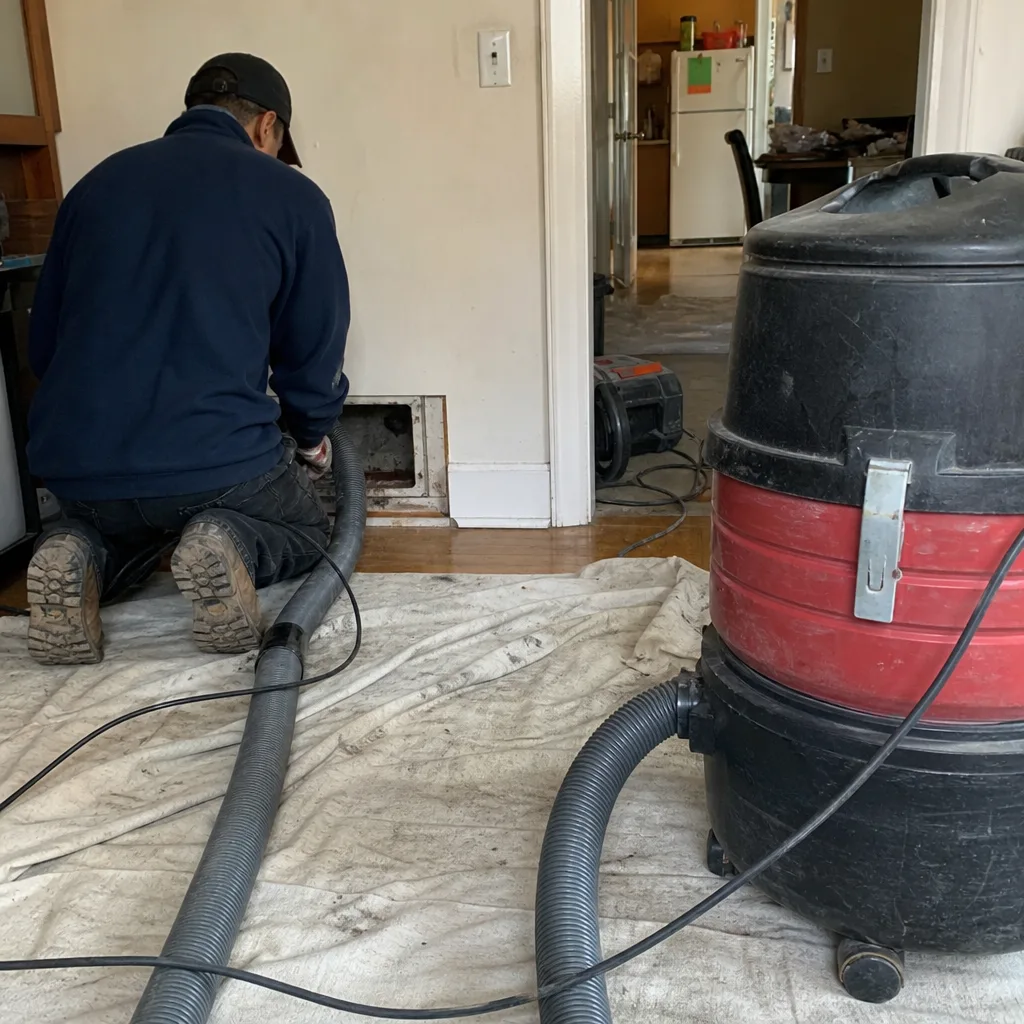
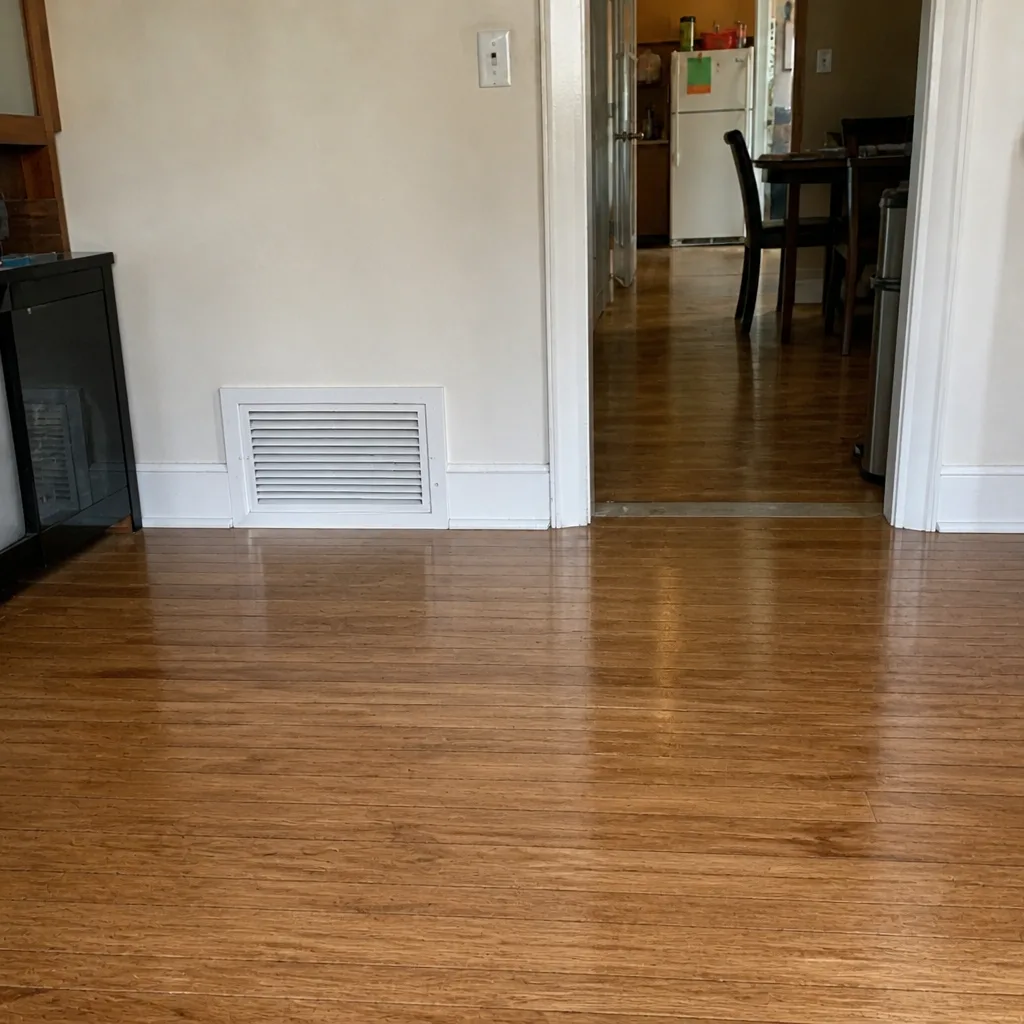
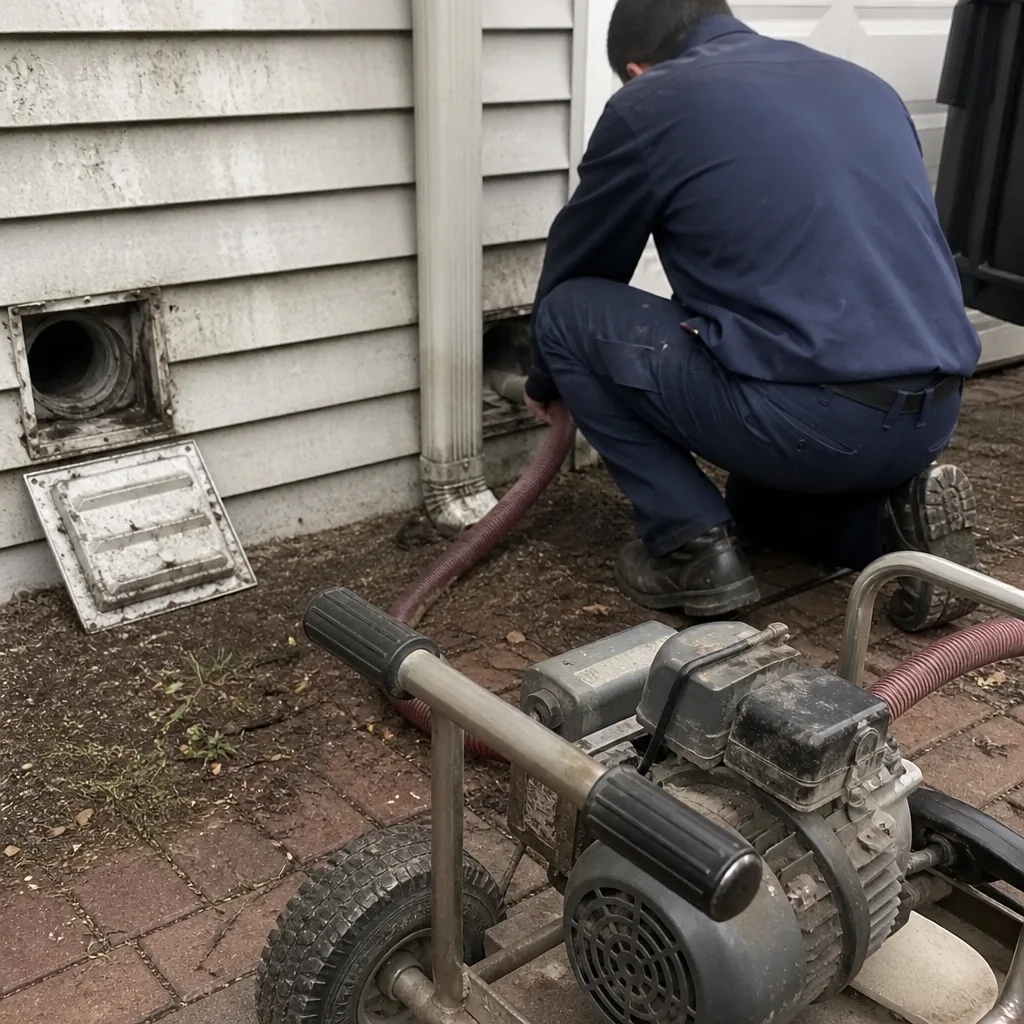
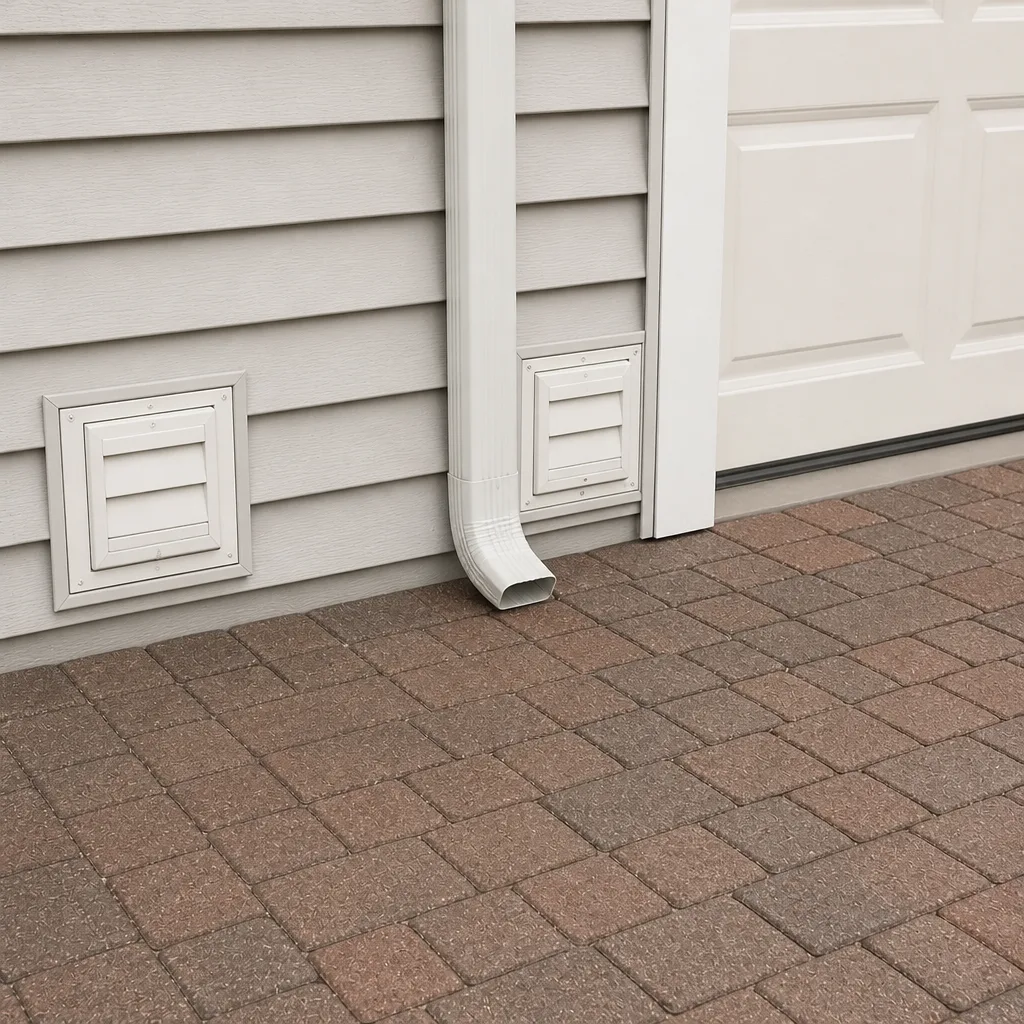
Whole-system duct and dryer vent check with before-and-after photos - you see exactly what came out of your vents
That "$99 whole-house special" is a bait ad - the real number appears once they are in your hallway, or the "clean" is a shop-vac at the register. We photograph the inside of your ducts before and after instead.
Choosing the Right Air Duct Cleaning Brand: A Buyer’s Guide for Highbridge
Most people shopping for duct cleaning in Highbridge start with the wrong question. They ask “who has the best reviews” or “who’s cheapest,” when the more useful question is “what equipment and training actually sit behind this brand name.” That matters here because the same industry certifications can appear on two very different operations: one running a truck-mounted Rotobrush with real negative-pressure containment, another with a consumer shop vacuum and a sticker. This guide shows you how to tell them apart before you book. You’ll learn what specific equipment brands actually do, how to read reviews for technical detail, what insurance questions to ask, and which diagnostic tools back up a company’s claims.
Quick Answer
Choosing the right air duct cleaning brand in Highbridge means evaluating the equipment manufacturers a company works with (Rotobrush, Nikro, Abatement Technologies), the breadth of services they can actually perform (cleaning, sealing, coil work, air-quality upgrades), and the documentation they provide before and after the job. Certifications like NADCA membership are a starting point, not a conclusion. The brand name on the truck tells you less than the systems the technicians actually run.
Styles & brands we work with
- Whole-home duct cleaning
- Dryer vent cleaning
- Camera inspection
- Sanitizing & deodorizing
Table of Contents
- Why industry certifications are a floor, not a ceiling
- How to evaluate equipment brands: Rotobrush, Nikro, Abatement Technologies
- Service breadth: duct-only cleaner versus full indoor air quality operator
- Reading Highbridge reviews for technical specificity
- What insurance a duct cleaning company should carry, and how to verify it
- Diagnostic tools that separate real diagnosis from a sales script
- The questions to ask before you sign anything
- What pricing structures actually tell you about a company
Why industry certifications are a floor, not a ceiling
Membership in the National Air Duct Cleaners Association (NADCA) is worth understanding clearly. It’s an industry association that requires annual dues (under $1,000 in most cases) and certifies individuals through training exams. What it does not do is audit equipment, inspect trucks, or verify the scope of work a company performs on any given day. That distinction matters.
Think of NADCA certification the way you’d think of a driver’s license. It proves somebody passed a test. It doesn’t tell you what kind of car they’ll show up in, how they’ll drive it, or whether they carry proper insurance. A company can be a proud NADCA member and still arrive with inadequate negative pressure, no containment barriers, and a two-hour “clean” that just blows dust around.
In our experience working Highbridge homes, the certification is a baseline check to confirm the team takes the trade seriously. It is never the whole story. Here’s what to layer on top of it:
- Confirm equipment spec: Ask what cleaning systems they run, by name. Rotobrush, Nikro, and Abatement Technologies are professional-grade brands. “We use a special vacuum” is not an answer.
- Ask about containment: True cleaning uses negative pressure and HEPA filtration so dislodged debris goes into the machine, not into your living room.
- Request the written scope: The scope of work should name the number of supply and return vents, whether registers are removed, and whether the plenum is included.
- Ask for documentation: Before-and-after photos of your own ducts should be standard practice. Photos of somebody else’s ducts are a red flag.
When people ask us how to choose a duct cleaning company in Highbridge, we start with this reframe: certifications are the price of entry. Equipment and process are what actually determine results.
How to evaluate equipment brands: Rotobrush, Nikro, Abatement Technologies
The equipment a company owns is the single most reliable predictor of what kind of job you’ll get. Consumer-grade shop vacs, even large ones, move too little air and filter too coarsely to do real duct cleaning. Professional systems are built differently. Here’s what each major brand actually does, so you can ask an informed question.
Rotobrush
Rotobrush AIRE systems are the workhorse of residential duct cleaning. A rotating brush head travels through the ductwork on a flexible shaft, physically agitating debris while a HEPA-filtered vacuum captures it. Rotobrush is excellent for standard residential round and rectangular ductwork with accessible runs. It’s the same system category used by commercial HVAC contractors as a baseline tool. What it does not do well: very tight transitions, deeply inaccessible chases, or heavy contaminant situations requiring more aggressive HEPA filtration.
Nikro
Nikro makes a broader family of air-conveyance and filtration equipment, including negative-air machines and HEPA vacuums. Where Rotobrush is the cleaning tool, Nikro is often the containment and filtration backbone that keeps the job clean. Nikro systems are particularly useful for higher-particle work and for maintaining negative pressure in sensitive spaces. Ask a company to name the Nikro model they carry. The answer tells you whether they understand their own equipment.
Abatement Technologies
Abatement Technologies builds commercial-grade HEPA filtration and negative-air equipment designed for environments requiring serious contaminant control. Seeing Abatement gear on a job signals the company can handle mold spores, elevated particulate, and allergen-level remediation, not just surface dust. For Highbridge homeowners with allergy or asthma concerns, this is the equipment class that matters most.
A company that runs all three systems has genuine range. A company that runs one and calls it “everything you need” has a narrower operation. Neither is dishonest, but you should know the difference before you book.
If full-system cleaning is the goal, our air duct cleaning page walks through how a complete job should be scoped from supply vents through the return plenum.
Service breadth: duct-only cleaner versus full indoor air quality operator
Service breadth is the second-most-useful filter for a Highbridge homeowner. There’s a real difference between a crew that only cleans ducts and a company that treats the whole air pathway: the coil, the blower, the cabinet, the registers, the sealing, and the filtration. Duct cleaning without coil cleaning can leave the actual source of a musty smell untouched. Sealing without cleaning lets the ducts stay dirty. Cleaning without addressing leaks means the ducts re-contaminate within a season.
Here’s what a full-scope operator can do that a duct-only cleaner often cannot:
- Full HVAC cleaning: Coil cleaning, blower cleaning, cabinet cleaning, and condensate pan service, in addition to duct work.
- Duct repair and sealing: Finding and fixing the leaks that pull attic air, insulation fibers, or outdoor dust into your system. A leaky duct undoes everything you just cleaned.
- Air-quality upgrades: Installing and servicing filtration, purification, and humidity control products from brands like Honeywell and Aprilaire in the same visit, so you don’t need a second contractor.
- Contaminant-level remediation: Abatement Technologies HEPA equipment, guardsman-grade sanitation products, and process steps for mold, allergen, or particulate issues that simple duct cleaning can’t address.
- dryer vent cleaning: Treated as a fire-safety service, not an add-on. Lint buildup in the dryer vent is a leading cause of residential fires, and a company that handles it has a broader safety view of the house.
Ask a prospective company how they’d handle a musty smell that persists after duct cleaning. If the answer is “clean the ducts again,” they aren’t equipped for the full pathway. If the answer involves inspecting the coil, checking duct leaks with a manometer or thermal camera, and confirming your filtration rating, you’re talking to a full indoor air quality operator.
Reading Highbridge reviews for technical specificity
Google reviews are the single richest information source about a duct cleaning company, but only if you read them properly. Generic five-star reviews (“great service, very professional”) are nearly worthless for evaluation. Specific reviews are gold. The distinction is easy once you know what to look for.
What a technically specific review looks like:
- Names the equipment (“they used a Rotobrush,” “brought in Abatement HEPA units”)
- Describes the process (“showed me the before/after photos on a tablet,” “sealed a leak I didn’t know about in the basement trunk”)
- Explains the diagnosis (“turns out the musty smell was the coil, not the ducts”)
- Mentions outcomes (“my daughter’s allergies were noticeably better within a week”)
What a generic review looks like, and why it doesn’t help:
- “Fast and honest, would use again.”
- “Friendly guys, cleaned everything up.”
- “Great price for the work.”
The generic reviews could apply to a moving company, a plumber, or a locksmith. They don’t tell you whether the company has the equipment and process to actually solve a problem.
BBB ratings deserve a specific note. In the air duct cleaning trade, BBB membership is a pay-to-play accreditation with almost no bearing on the technical quality of work. A company can hold an A+ rating and still run shop vacs with no containment. Treat BBB status as marketing collateral, not a quality signal. Google review specificity will tell you far more, and so will a direct question about equipment when you call.
For Highbridge properties, a few things are worth asking about on the phone: how the company handles older housing stock with mixed duct materials, whether they’ve worked on multi-family buildings in the neighborhood, and how they schedule around winter heating season when systems are running constantly.
What insurance a duct cleaning company should carry, and how to verify it
Insurance is the least glamorous part of choosing a duct cleaning company, and one of the most important. Two coverage types matter for this trade, and you should ask about both before any work begins.
General liability coverage protects you if a technician damages your home: a wall, a ceiling, HVAC equipment, or your floors. Any duct cleaning company should carry this as a baseline. The right level depends on the size of the operation, but ask what is covered, not just whether “insurance” exists.
Errors and omissions coverage (also called professional liability) is the one most people never ask about, and the one that matters most for indoor air quality work. If a company performs sanitation or remediation that’s supposed to reduce contaminants, and the outcome doesn’t match the claim, E&O coverage is what responds. Duct-only cleaners often don’t carry it. Full-scope IAQ operators do.
How to verify both, in three steps:
- Ask for the certificate of insurance (COI) directly. Any legitimate company can email this before the appointment.
- Read the policy dates and coverage limits carefully. An expired COI or a general liability policy with no E&O is a red flag.
- Confirm the certificate names the operating entity that will actually show up at your door, not a parent LLC or a marketing brand.
If a company gets defensive or stalls when you ask for the COI, that itself is your answer. Highbridge homeowners should never feel awkward about this request. The local professional is licensed and insured as their state requires, and asking for proof is standard practice.
Diagnostic tools that separate real diagnosis from a sales script
Every HVAC and duct cleaning company in Highbridge will claim they “diagnose the whole system.” Real diagnosis requires real instruments. Here’s what to look for, and what each tool actually does.
- Manometer: Measures static pressure across the system. A technician using one is checking whether the air handler is moving the air it’s rated for, and whether duct leaks are starving or choking parts of the house. No manometer means no real airflow diagnosis.
- Thermal camera: Reveals duct leaks, insulation gaps, and hot or cold spots that don’t show up on a visual inspection. It’s the fastest way to confirm a duct is leaking into an attic or crawlspace.
- Particle counter: Measures airborne particulate before and after the job. This is the tool that separates honest IAQ claims from marketing. If a company offers “air-quality sanitizing,” they should be able to demonstrate the change.
- Hygrometer or moisture meter: Confirms humidity levels and whether your home is at risk for mold growth inside the duct runs or coil cabinet.
- Before-and-after photo documentation: Taken inside your ducts, not from a stock library. This is the baseline proof that cleaning actually happened.
If a technician arrives with only a clipboard and a sales script, they aren’t diagnosing anything. They’re pricing. That’s the moment to slow the conversation down and ask what tools they’ll use to find the problem, not just clean it up.
For the whole-house picture, our HVAC cleaning overview shows how coil and blower diagnosis fits into the duct work.
The questions to ask before you sign anything
Here’s a numbered list you can literally carry into the phone call. Every reputable company should answer each of these without hesitation.
- What cleaning equipment will you use on my ducts? (Looking for a named professional system: Rotobrush, Nikro, or equivalent. Not “a special vacuum.”)
- How do you contain dust during the job? (Looking for negative pressure and HEPA filtration.)
- Will you remove and clean the registers? (Registers are part of the system. Skipping them means the job is incomplete.)
- Do you inspect and clean the coil and blower cabinet, or only the ducts? (This separates full-pathway operators from duct-only cleaners.)
- Do you check for duct leaks, and can you seal them the same visit? (A leaky duct recontaminates your system.)
- What filtration or humidity products do you carry? (Honeywell and Aprilaire are industry standards for filtration and humidity control.)
- Will I see before-and-after photos of my own ducts? (Yes is the only acceptable answer.)
- Can you email your certificate of insurance and confirm E&O coverage? (You’re looking for a COI naming the operating entity, with both general liability and errors and omissions coverage.)
- What’s the price, and does the written estimate cover the whole job? (One flat price per system, agreed before work starts. Not per vent, not a teaser coupon that grows once the technician is inside.)
Each of these questions has a right answer and a wrong answer, and the wrong answer is usually obvious. The company that struggles with question three is going to be a duct-only cleaner. The one that stumbles on question eight probably doesn’t carry E&O coverage. The one that won’t answer question nine is likely to bill you more than quoted.
What pricing structures actually tell you about a company
The duct cleaning trade has a reputation problem for one specific reason: the low coupon that becomes a much larger invoice once the technician is in your home. In Highbridge, the honest answer to “how much does air duct cleaning actually cost” isn’t a single number. It’s a structured range that depends on the size of your system, number of vents, condition of the ducts, and whether repair or sealing is needed. What a company’s pricing structure tells you is whether they’re going to be transparent about that.
Here’s the pricing filter we recommend:
- One flat price per system, agreed before work starts. Not a per-vent price, not a teaser coupon that grows after arrival. Written estimate before the technician touches anything.
- No bait-and-switch. If the advertised price is dramatically lower than every competing quote, ask directly what’s excluded. The answer usually explains the gap.
- Free estimates. A legitimate company will walk through the system scope and pricing before you commit.
- Before-and-after photos. The work should be documented in your own home, and those photos are your proof the job was done to the scope you agreed.
Pricing precision matters more than price level. A slightly higher quote with a written scope and photo documentation is usually a better deal than a coupon for a fraction of the price with no scope. The scope, not the sticker, is what protects you.
For pricing context specific to dryer-vent work, our dryer vent cleaning page walks through how that service is scoped and what affects the total.
Common Mistakes to Avoid
- Booking on price alone. The lowest coupon in Highbridge is often the entry point to a much larger invoice. Ask what the estimate actually covers before you compare quotes.
- Treating NADCA membership as enough. It certifies the person, not the truck. Ask about the equipment by name.
- Ignoring the coil and blower. A duct-only cleaning on a system with a dirty coil leaves the actual source of the smell and the efficiency hit in place. Insist on full-pathway scope.
- Skipping the duct-leak inspection. Cleaning without sealing means your newly clean ducts recontaminate within a season. A manometer and thermal camera should be part of the visit.
- Not asking for the COI. General liability is baseline; errors and omissions coverage for IAQ work is what protects you if a sanitation claim doesn’t hold up.
- Believing BBB ratings are quality grades. They’re pay-to-play accreditation. Read Google reviews for technical specificity instead.
- Forgetting the dryer vent. It’s a fire-safety service, not an upsell. If a company cleans ducts but not the dryer vent, ask yourself why they’d skip a known fire hazard.
- No photo documentation. If you don’t get before-and-after photos of your own ducts, you have no proof the work was done.
See the difference
 Before
 After
 Before
 After
 Before
 After
When to Call a Professional
Duct cleaning isn’t an annual to-do the way a furnace filter is. It’s a service you schedule when you notice a symptom. Call a professional if you smell a musty or dusty odor every time the heat or AC kicks on, if allergies or asthma symptoms get noticeably worse indoors, if you’ve recently finished a renovation that put drywall dust or insulation fibers into the air, if you’ve moved into an older Highbridge home and don’t know the maintenance history, if your energy bills are trending up without a rate change, or if you’ve never had the dryer vent cleaned and the dryer is taking longer than it used to. Each of these points at something specific the right company can diagnose and resolve. Air Duct Cleaning Highbridge offers free estimates in Highbridge. Call (888) 219-1385. We answer 24/7. Fast dispatch from 7am to 7pm, Sunday through Friday.
Frequently Asked Questions
Pricing depends on the size of your system, the number of vents, the condition of the ducts, and whether repair or sealing is needed. We don’t quote a per-vent price or a coupon teaser, because those numbers rarely reflect the actual job. The honest structure is one flat price per system, agreed in a written estimate before work starts, with before-and-after photos as proof the scope was delivered. Call (888) 219-1385 for an exact quote. Estimates are free.
Cheap quotes usually reflect one of three things: no real containment equipment (consumer shop vacs instead of Rotobrush or Nikro systems), a duct-only scope that skips the coil and blower, or a coupon price that grows after the technician arrives. A quote with a written scope, named equipment, and photo documentation is worth more than a cheaper one with none of those. When the price gap is large, ask what’s excluded. Call (888) 219-1385 and we’ll walk you through what a fair quote should include.
Before-and-after photos of your own ducts, not someone else’s. Beyond that, nameable equipment on the job (Rotobrush, Nikro, Abatement HEPA units), a written scope that lists the vents serviced, and a technician who can explain what they found. If you don’t walk away with documentation and a clear description of the diagnosis, the work wasn’t verifiable. Call (888) 219-1385 for a free estimate and a clear walkthrough of what the job will include.
Most homes don’t need duct cleaning on a fixed schedule. The right trigger is a symptom: musty odors when the system runs, worsening allergies indoors, recent renovation dust, a new home with unknown maintenance history, or rising energy bills. Homes with pets, smokers, or recent water damage may need it more often. If you’re not sure, a professional inspection will tell you whether the ducts are actually the problem. Call (888) 219-1385. We answer 24/7. Fast dispatch from 7am to 7pm, Sunday through Friday.
A duct cleaner cleans ducts. A full indoor air quality operator also cleans the coil and blower, repairs and seals duct leaks, installs filtration and humidity control products (Honeywell and Aprilaire, for example), and handles contaminant-level remediation with Abatement Technologies equipment. The practical difference is whether the source of your problem gets fixed, or just the surface. To talk through which one you need, call (888) 219-1385 for a free estimate.
Standard duct cleaning generally doesn’t require a permit. Duct repair that involves altering the HVAC system layout sometimes does. Most cities require a permit for that kind of work, so ask your city’s building department if you’re planning anything beyond cleaning and sealing of existing runs. A company that knows the local rules will tell you before the job starts. For scoping questions, call (888) 219-1385.
For a broader view of how duct cleaning fits alongside our other services, see the Air Duct Cleaning Highbridge overview.
The Bottom Line
Choosing the right air duct cleaning brand in Highbridge comes down to five checks: named professional equipment (Rotobrush, Nikro, Abatement Technologies), full-pathway service breadth (coil, blower, sealing, air-quality upgrades), technical specificity in Google reviews, a COI that names both general liability and errors and omissions coverage, and diagnostic tools on the truck (manometer, thermal camera, particle counter). Certifications like NADCA are a floor. Equipment and process are the ceiling. If a company can answer every question in this guide without hesitation, you’ve found a real indoor air quality operator. If they can’t, you’ve found a marketing brand.
Our technicians have up to 14 years of experience. We clean the system, then we seal it, because a leaky duct undoes everything. We show you what we found before we start and after we finish. To book a free estimate in Highbridge, call (888) 219-1385. We answer 24/7. Fast dispatch from 7am to 7pm, Sunday through Friday.
Written by the team at Air Duct Cleaning Highbridge.