
Last updated November 22, 2026
 Whole-home duct cleaning
 Dryer vent cleaning
 Camera inspection
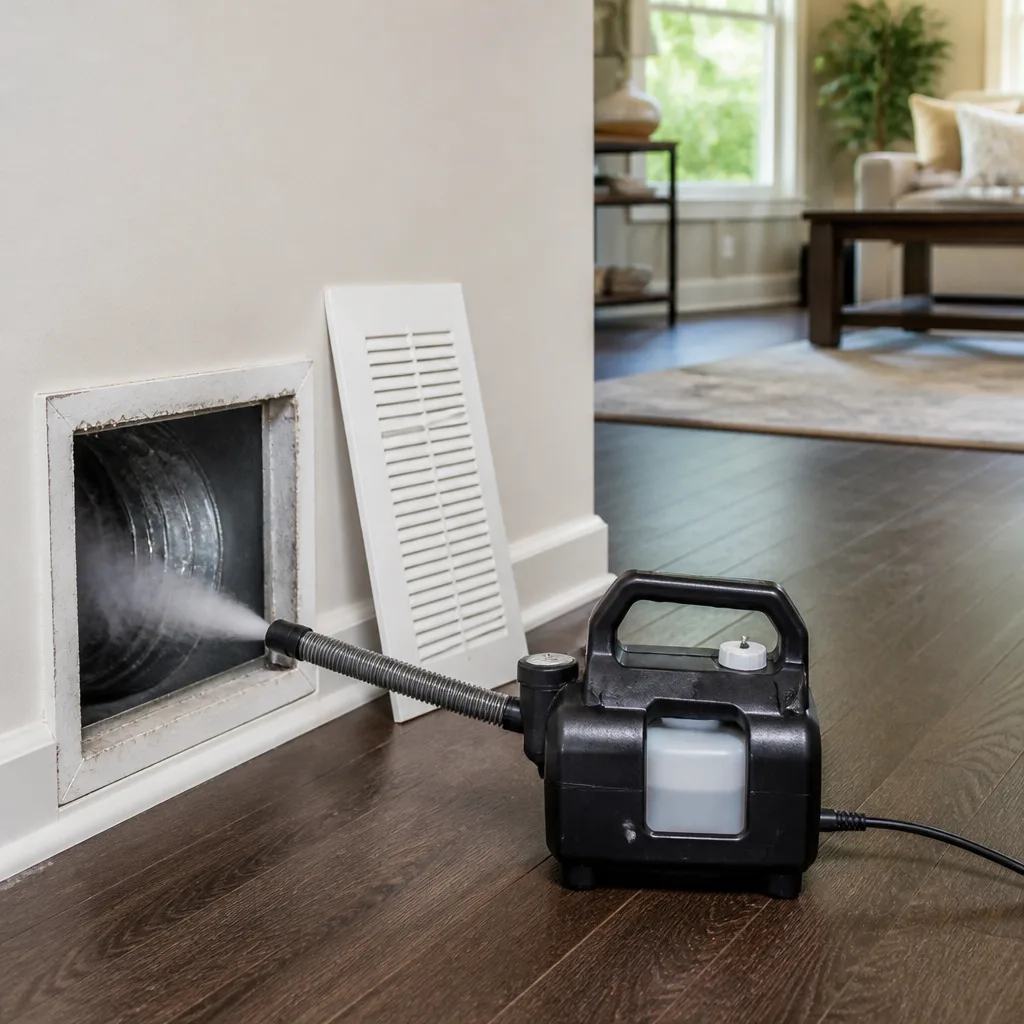 Sanitizing & deodorizing
Whole-system duct and dryer vent check with before-and-after photos - you see exactly what came out of your vents
That "$99 whole-house special" is a bait ad - the real number appears once they are in your hallway, or the "clean" is a shop-vac at the register. We photograph the inside of your ducts before and after instead.
The Complete Guide to Air Duct Cleaning in Highbridge
Most duct cleaning guides treat ductwork as an isolated system. In Highbridge that approach misses half the air pathway. The dense rowhouse blocks and pre-war apartment conversions that define this neighborhood hide plenums, flex connectors, and return chases that need different tools and techniques than a suburban home with a straight trunk line running through a wide basement. A HEPA vacuum at the register face captures a fraction of dislodged particulate unless the main trunk line is under simultaneous negative pressure, and that spec rarely makes it into a guide. This one maps the whole system: what your building’s geometry means for access, how source removal differs from contact vacuuming, why supply and return sides need separate setups, how to read a verification report, and when sanitizing is warranted versus when it isn’t.
Quick Answer
Air duct cleaning in Highbridge means removing accumulated dust, debris, and contaminants from the entire air pathway – supply trunk, branch runs, return chases, and the air handler – using source-removal methods under controlled negative pressure, not just vacuuming at the register face. In older Highbridge buildings, the job also requires inspecting and often sealing leaky flex connectors and plenum joints, because a cleaned duct that still leaks pulls dirty air straight back in. A proper cleaning includes before-and-after photos and a written verification of what was removed.
Styles & brands we work with
- Whole-home duct cleaning
- Dryer vent cleaning
- Camera inspection
- Sanitizing & deodorizing
Table of Contents
- How Highbridge’s Building Stock Shapes Duct Geometry and Access Points
- Source Removal vs. Contact Vacuuming: What the Difference Actually Means
- Why Supply and Return Sides Need Separate Negative-Pressure Setups
- How to Read a Post-Cleaning Verification Report
- When Sanitizing Is Warranted and When It’s Upsell
- The Dryer Vent Is Part of the Air-Safety Picture
- Duct Repair and Sealing: Fixing the Root Cause
- How to Choose a Duct Cleaning Company in Highbridge
How Highbridge’s Building Stock Shapes Duct Geometry and Access Points
Highbridge’s housing was built in layers, and each layer left a different duct legacy. The pre-war rowhouses and walk-ups that line the side streets were originally heated by gravity systems or radiators, then retrofitted with forced-air furnaces at various points. Those retrofits often routed rectangular sheet-metal trunk lines down narrow interior chases, branching into short round runs that feed two or three rooms before dead-ending. Access panels are frequently missing, buried behind finished walls, or cut into a closet ceiling at an awkward angle.
Mid-century apartment conversions add another wrinkle. When a large rowhouse is split into multiple units, the HVAC often becomes a patchwork – one unit’s return chase shares a wall cavity with a neighbor’s supply run, and flex duct gets snaked through spaces it was never designed for. In these buildings, technicians need to locate every access point before cleaning starts, and some jobs require cutting new access panels that get sealed afterward.
What this means for a Highbridge homeowner:
- Chase dimensions vary widely. A trunk line in a rowhouse might be 8 inches wide in one run and 14 in the next. Rotary brush systems need to match the duct size or they’ll miss the corners.
- Flex connectors are common and often sagging. A drooping flex run collects dust in the low point and restricts airflow. That’s an inspection finding, not just a cleaning target.
- Return chases frequently double as wall cavities. In older conversions, the return path isn’t a dedicated duct at all. It’s a framed chase shared with plumbing or wiring, which changes how negative pressure has to be applied.
- Basement and cellar access is tight. Many Highbridge buildings have low-clearance cellars where the air handler sits. Equipment has to be staged carefully and hose runs planned in advance.
The practical upshot: a company that shows up with a shop vac and a ladder and expects to clean from the registers alone will leave most of the system untouched. The geometry of Highbridge housing demands a full-pathway inspection first, then a cleaning plan built around what’s actually there. For a full breakdown of the standard residential service, see our page on air duct cleaning.
Source Removal vs. Contact Vacuuming: What the Difference Actually Means
Two terms get used interchangeably in this trade, and they shouldn’t be. Contact vacuuming means putting a vacuum head against a surface and pulling loose debris off it. It’s effective on the register face and the first foot or two of duct, and it’s what a lot of low-bid crews do exclusively. Source removal means dislodging and extracting the accumulated material from the entire interior surface of the duct system – walls, seams, corners, and the air handler – while the system is under negative pressure so nothing escapes into the living space.
Source removal requires mechanical agitation tools, not just suction. The two most common are rotary brush systems and air whips. A rotary brush is a motorized spinning brush head on a flexible shaft that scrubs the duct walls as it travels. An air whip is a compressed-air nozzle that flails inside the duct, knocking debris loose from every surface. Both work with a collection vacuum running at the same time, and both require access at multiple points along the run so the tool can reach the full length.
In our work across Highbridge, we run source-removal jobs with Rotobrush and Nikro systems – the same class of equipment commercial HVAC contractors use for remediation work. That matters here for a specific reason: the rectangular trunk lines and tight chases in rowhouse construction don’t respond well to consumer-grade equipment. A rotary brush sized for a 6-inch round run won’t clean a 14-inch rectangular trunk. Nikro’s modular brush and hose configurations let technicians match the tool to the duct, which is the difference between cleaning the system and cleaning the first few feet of it.
The sequence for a proper source-removal job in Highbridge looks like this:
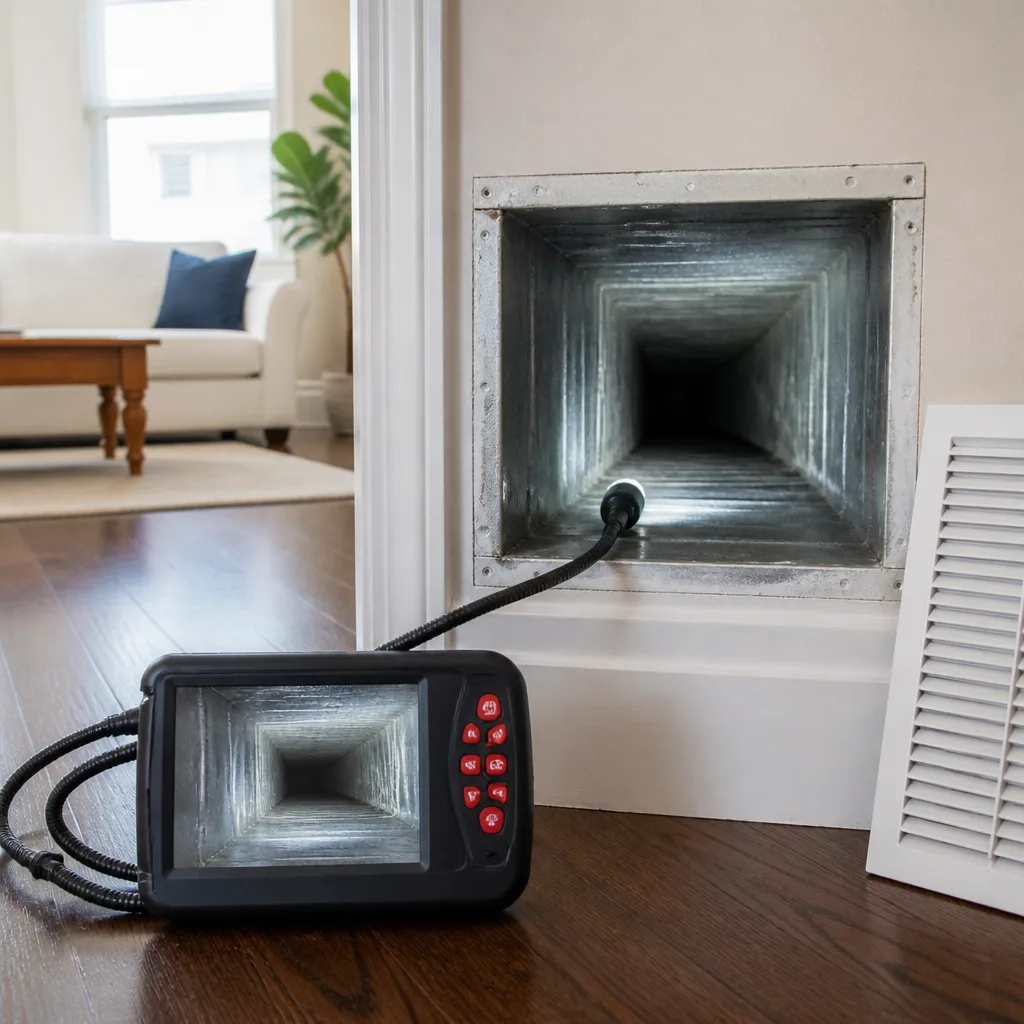
- Inspect and document. Cameras go into the trunk line and branch runs. Access points are located or created. Photos are taken before anything is touched.
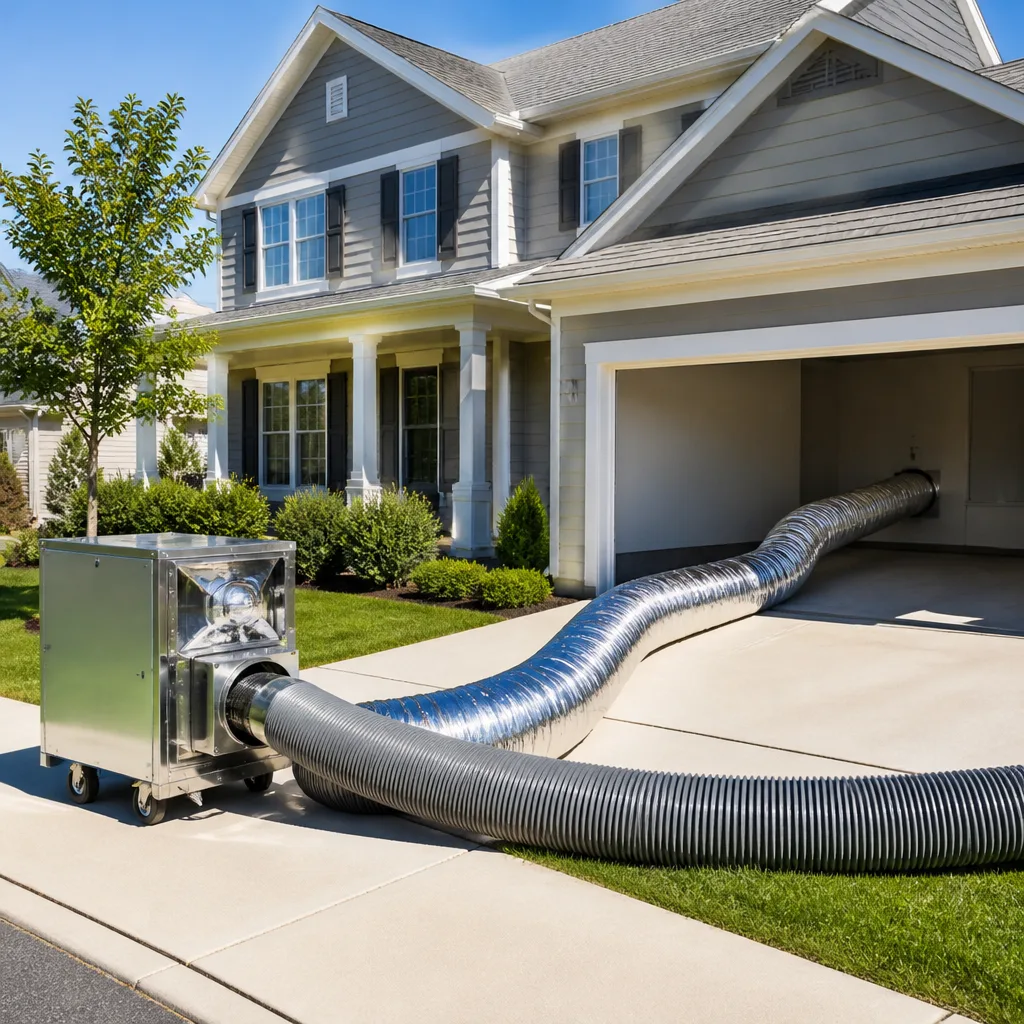
- Set negative pressure. A HEPA collection unit connects to the trunk line, pulling the whole system into negative pressure before agitation begins.
- Agitate with the right tool. Rotary brushes for sheet-metal runs, air whips for flex and irregular geometry, hand tools for tight transitions.
- Clean the air handler and plenum. The blower wheel, evaporator coil face, and plenum interior collect dust too. Cleaning ducts without cleaning these leaves a contamination source in the system.
- Verify. Visual inspection with a camera, particle readings if the equipment supports it, and photos of the cleaned surfaces.
If a quote doesn’t mention which tools will be used or how the system will be put under negative pressure, that’s the first question to ask before booking.
Why Supply and Return Sides Need Separate Negative-Pressure Setups
The supply side pushes conditioned air into rooms. The return side pulls air back to the air handler. They’re two halves of one loop, and cleaning one without the other leaves the job half done. Worse, it can make things temporarily worse, because a freshly cleaned supply trunk connected to a dirty return will pull that return’s accumulated dust straight back into the clean side on the first cycle.
Each side also requires its own negative-pressure setup for a physical reason. On the supply side, the trunk line is usually the widest, most accessible duct in the building, so the collection vacuum connects there and the branch runs get agitated in sequence. On the return side, the geometry is often reversed – multiple small return grilles feed into a single chase or a plenum near the air handler, which means the vacuum connection point is different, and the chase itself may need a separate agitation pass because dust settles differently in a low-velocity return.
When only one side gets cleaned, three things tend to happen:
- Re-contamination. The dirty side feeds dust back into the clean side within days. Homeowners in Highbridge often describe this as “the musty smell came back” within a week of a cheap cleaning.
- Pressure imbalance. Cleaning one side changes the airflow resistance across the system, and an already leaky return or supply joint will pull more unconditioned air from the wall cavity it runs through.
- Missed contamination. The blower wheel sits between the return and the supply. If the return isn’t cleaned, the blower pulls dust straight off it and redistributes it through the supply trunk. That’s the mechanism behind the “it got worse after cleaning” complaint.
The full-HVAC version of this job – cleaning both sides plus the air handler and coil – is what we describe on our HVAC cleaning page. In Highbridge’s older buildings, it’s usually the only version worth doing, because the return chase on a rowhouse is rarely a clean, dedicated duct. It’s a framed cavity that needs its own treatment.
How to Read a Post-Cleaning Verification Report
A verification report is a written record of what was cleaned, how it was cleaned, and what the system looked like afterward. Any company doing serious work in Highbridge should provide one, and it should be specific enough that a homeowner can tell what actually happened. A report that says “system cleaned” with a checkmark isn’t a verification report – it’s a receipt.
What a useful report includes:
- Access points documented. Where the technician opened the system, whether any new panels were cut, and how they were sealed afterward.
- Before-and-after photos of every major component. Trunk line interior, branch run interior, blower wheel, coil face, and return chase. Photos should show the same location from the same angle in both states, so the comparison means something.
- Particle count readings, if taken. A particle counter measures airborne particulate in the airstream. A reading before cleaning and one after, taken at the same point in the system, lets you see the reduction. What the numbers mean: a meaningful drop in the smaller size fractions – the ones that stay airborne longest – indicates the source removal worked. A reading that barely moves suggests debris is still being disturbed somewhere in the system.
- Findings list. Leaky flex connectors, disconnected joints, crushed runs, moisture or microbial growth, and any component that needs repair. This is where the report becomes useful beyond the cleaning itself.
- Products used. If any sanitizer or sealant was applied, the report should name it and confirm it’s registered for HVAC use.
In practice, the report should be walked through with you at the end of the job, not handed over on the way out the door. We show before-and-after photos of the customer’s own ducts as a standard part of the visit, because “I cleaned it” is a claim and a photo is evidence. If a Highbridge homeowner calls a company back a week later and can’t find the report, that’s a sign the process wasn’t rigorous to begin with.
When Sanitizing Is Warranted and When It’s Upsell
Sanitizing is warranted when there’s a documented biological or contaminant problem inside the system – visible microbial growth on the coil or duct lining, a persistent musty odor that doesn’t clear after cleaning, or a specific contaminant event like water intrusion or a pest infestation in the ductwork. Sanitizing is not warranted as a routine add-on to every cleaning, and treating it that way is one of the clearest signs of an upsell pitch.
The key word is “EPA-registered.” A sanitizer used inside an HVAC system has to be registered for that use, and the technician should be able to name the product. In our work we use Guardsman-grade protective products as part of the sanitizing process, applied with Abatement Technologies air-filtration equipment staged to control particulate during application. That’s the standard of care for a job where the goal is contaminant reduction, not a quick spray and a scent.
How to tell the difference at the estimate stage:
- Warranted: The company inspects first, identifies a specific problem, and recommends sanitizing as a targeted fix with a named product and a clear reason.
- Warranted: The recommendation comes with a cost breakdown separate from the cleaning, so you can see what the sanitizing adds.
- Upsell: Sanitizing is bundled into every quote by default, before anyone has looked at the system.
- Upsell: The product isn’t named, or the technician can’t explain what it’s registered to treat.
- Upsell: The pitch leans on vague health claims rather than findings from the inspection.
For Highbridge homes with pre-war duct lining, moisture is the specific concern worth raising. Old duct wrap that has absorbed water is a growth medium, and cleaning alone won’t fix it – the affected section needs to come out. A company that recommends sanitizing over compromised lining is treating a symptom.
The Dryer Vent Is Part of the Air-Safety Picture
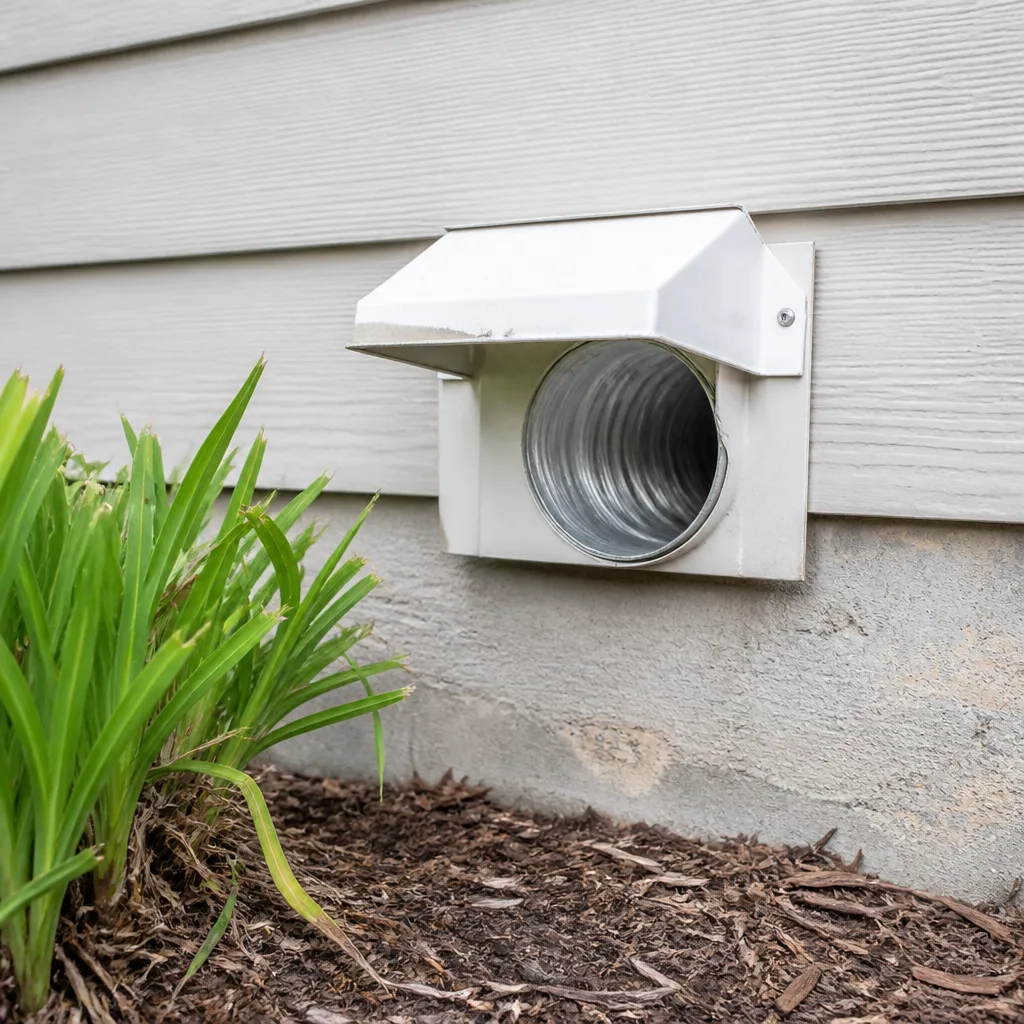
Dryer vent cleaning belongs in any serious conversation about a home’s air pathway, and not just for airflow reasons. Lint accumulates in the vent run and is highly combustible. A clogged vent restricts exhaust, heats the dryer, and creates a fire risk that has nothing to do with how clean the ducts are. In Highbridge’s dense rowhouse blocks, where dryer vents often run through shared wall cavities and terminate on a rear facade or roof, the run is longer than in a suburban home and the accumulation point is harder to see.
Signs the dryer vent needs attention:
- Clothes take longer than one cycle to dry.
- The dryer cabinet feels hot to the touch during a cycle.
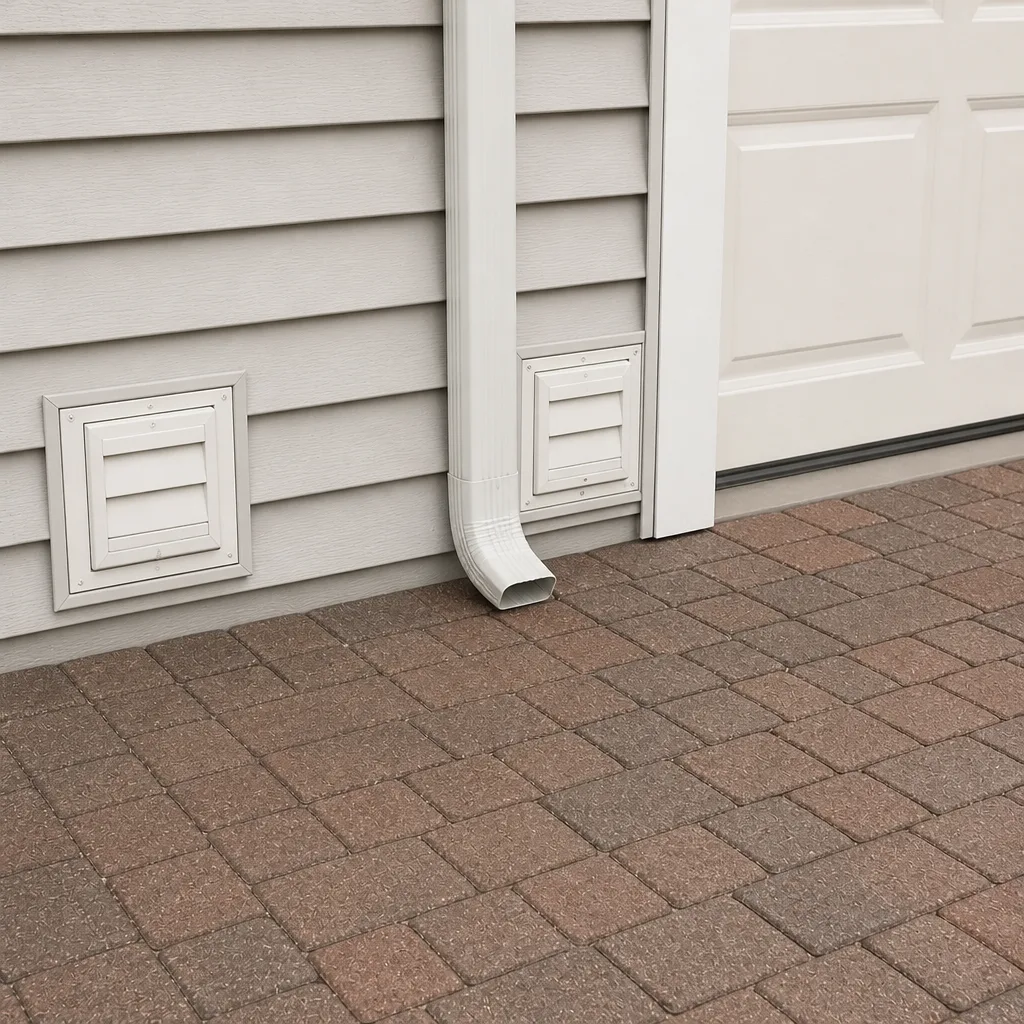
- The exterior vent flap doesn’t open fully when the dryer runs, or lint is visible around it.
- A burning or overheated smell in the laundry area.
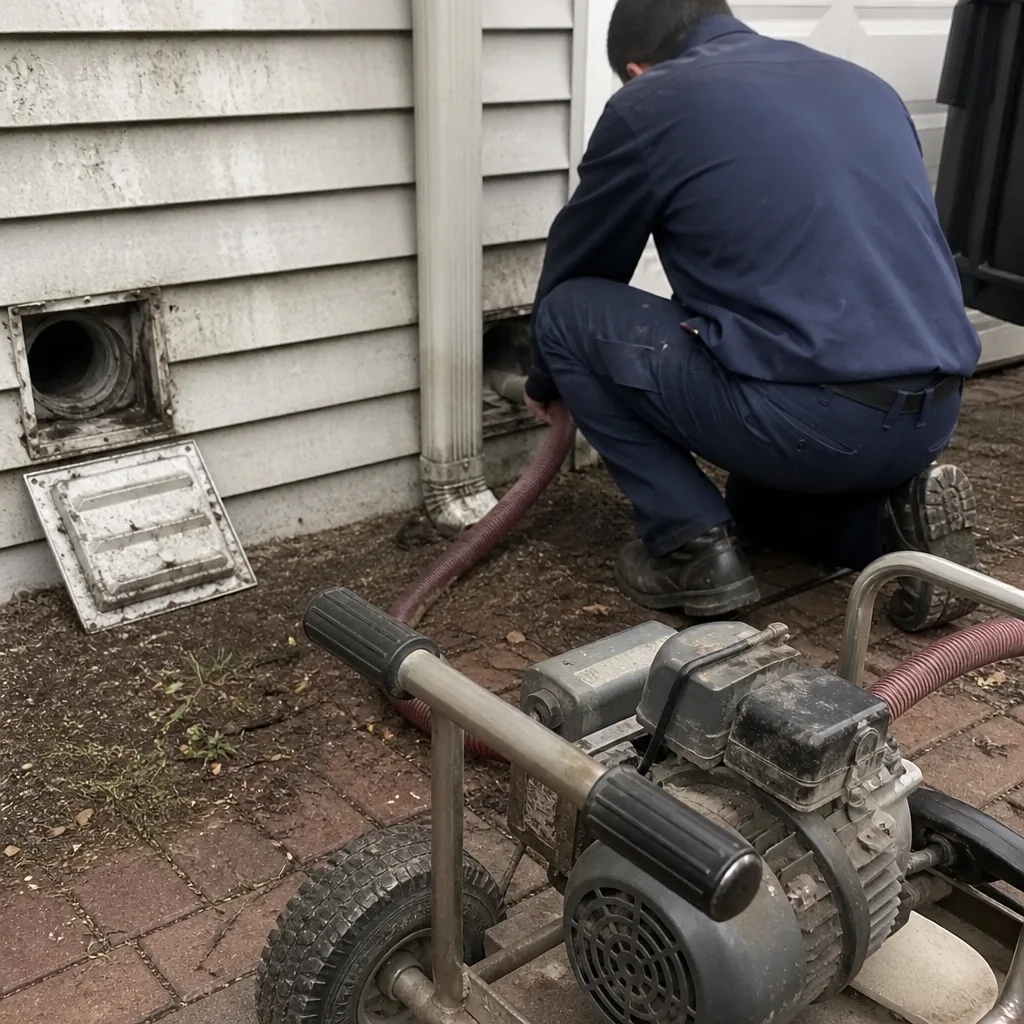
Dryer vent cleaning is a separate service from duct cleaning but pairs naturally with it, because the same appointment can cover the full air pathway and the fire-safety item at the same time. We treat the dryer vent piece as a safety service, not a tack-on. Details are on our dryer vent cleaning page, and if you’re booking a duct cleaning for a Highbridge home, ask whether the vent run is included or can be added. One visit for both is more efficient than two.
Duct Repair and Sealing: Fixing the Root Cause
Cleaning a leaky duct system is a short-term fix. The leaks pull dust straight back in, and they waste the conditioned air you paid to heat or cool. This is why duct repair and sealing belong in the same conversation as cleaning, especially in older Highbridge construction where the original installs were never sealed to modern standards.
What duct repair and sealing addresses:
- Disconnected joints. Flex connectors that have pulled loose at a plenum or branch transition. Common in retrofits where the flex was stretched or poorly supported.
- Crushed or kinked runs. Flex duct that got compressed during a renovation or a rerouted run, cutting airflow to the rooms it feeds.
- Seam leaks on rectangular trunk lines. Older sheet-metal trunks were assembled with slip joints and often show gaps at the seams after decades of thermal cycling.
- Return chase leaks. In a rowhouse, a return chase that shares a wall cavity with an exterior wall pulls in unconditioned air every time the blower runs.
- Missing access panels. Openings cut during previous work and never sealed. These are direct paths for debris and air.
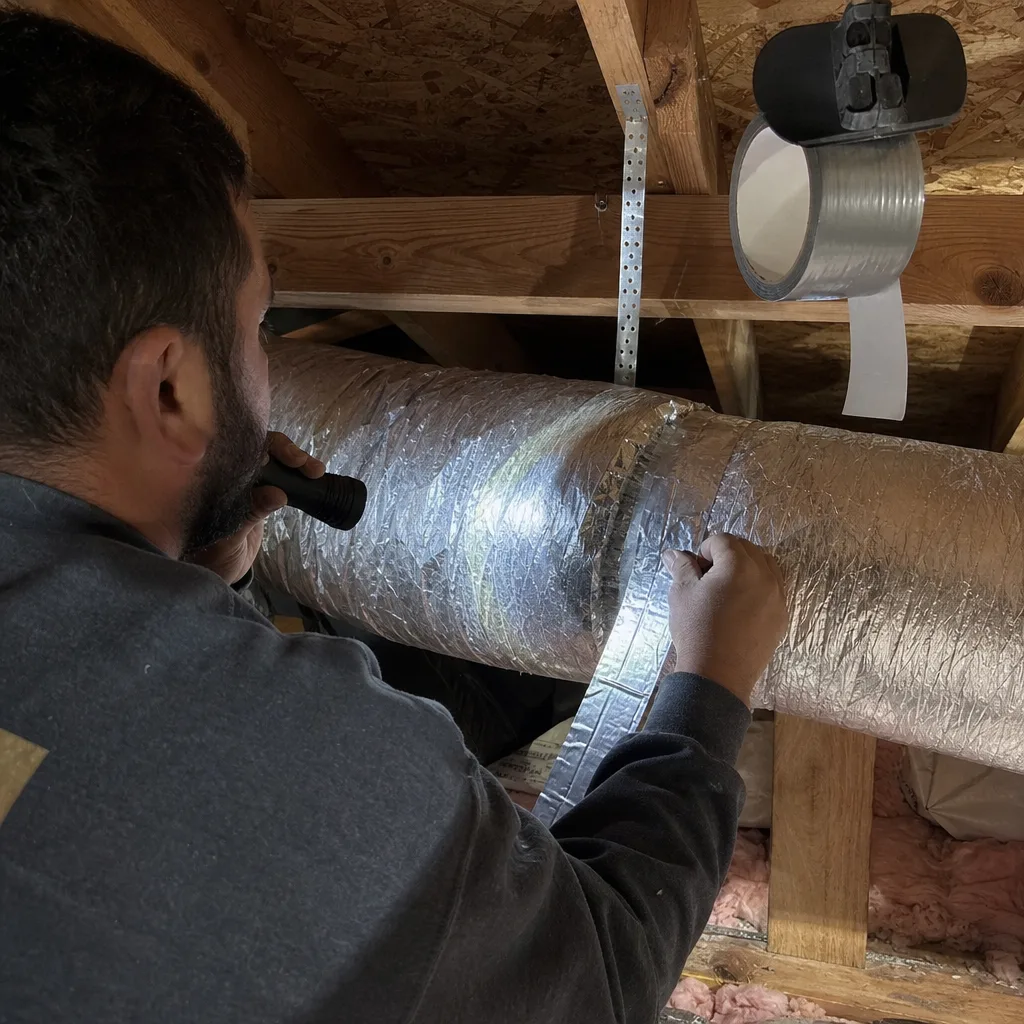
Sealing is typically done with mastic or foil tape on accessible joints, and with aerosol-based sealant for runs that can’t be reached by hand. The specific method depends on the leak location and duct type, and it’s determined during inspection. What matters for a Highbridge homeowner is the sequence: clean, then seal. Cleaning a system that will re-leak is a repeated cost. Our full-service approach covers inspection, cleaning, repair, sealing, and sanitizing in one engagement, so no second vendor gets brought in mid-project. If your building has an older system, ask for the sealing portion to be quoted alongside the cleaning.
And when the system is clean and sealed, the remaining upgrade worth considering is filtration. We stock and install Honeywell and Aprilaire air-quality products, which means a cleaning visit can end with a higher-MERV filter and a properly fitted filter cabinet rather than a filter that gaps at the edges. If the building’s humidity is part of the problem, Aprilaire humidity control covers that too. One visit, one system, fewer loose ends.
How to Choose a Duct Cleaning Company in Highbridge
Choosing well comes down to what the company can show you before, during, and after the job. Highbridge has no shortage of companies advertising duct cleaning; the ones worth hiring will answer these questions without hedging.
- What equipment do you use? Rotary brush systems and air whips under negative pressure, or a vacuum-only setup? Ask for names. Rotobrush and Nikro are the standards for legitimate source removal.
- Will you clean both the supply and return sides? A yes should come with an explanation of how each side gets its own negative-pressure connection.
- Will I get before-and-after photos and a written report? The photos should show the customer’s own ducts, at the same points, before and after.
- How do you handle leaks and access? A good crew inspects, identifies leaks, and offers to repair and seal as part of the same visit.
- Is the price per system or per register? We quote per system, in writing, before any work begins. Per-register pricing is the pricing model that turns into a surprise invoice.
- Is the work guaranteed to your satisfaction? Ask what happens if you find a problem with the cleaning after the crew leaves.
The bait-and-switch reputation in this trade is well-earned, and the defense is simple: one flat price per system, agreed before work starts, backed by before-and-after photos of your own ducts. If a company won’t put a whole-system price on paper before they arrive, that’s the answer to whether to hire them.
Common Mistakes to Avoid
- Cleaning only the supply side. In older Highbridge rowhouses, the return chase is usually the dirtiest part of the system. Skipping it means the cleaned supply side picks up dust again on the first cycle.
- Hiring per-register pricing. A quote of one number per vent sounds cheap until the technician counts your registers and the invoice triples. Whole-system pricing, in writing, is the only way to compare quotes honestly.
- Skipping the air handler and coil. The blower wheel and evaporator coil collect dust like everything else. Cleaning the ducts while leaving these dirty doesn’t fix the air quality problem.
- Treating sanitizing as mandatory. A routine cleaning with no contamination findings doesn’t need fogging. Demand a documented reason and a named EPA-registered product before paying for it.
- Ignoring leaks after cleaning. A cleaned duct system that still has disconnected flex connectors and unsealed plenum joints will re-dirty in months. Ask about sealing at the same time.
- Forgetting the dryer vent. In Highbridge’s dense construction, dryer vent runs are long and often hidden. A clogged vent is a fire-safety issue, not just a laundry inconvenience.
- Accepting a report with no photos. If the only evidence is a form with checkmarks, you have no way to verify the work was done at the locations that matter.
See the difference
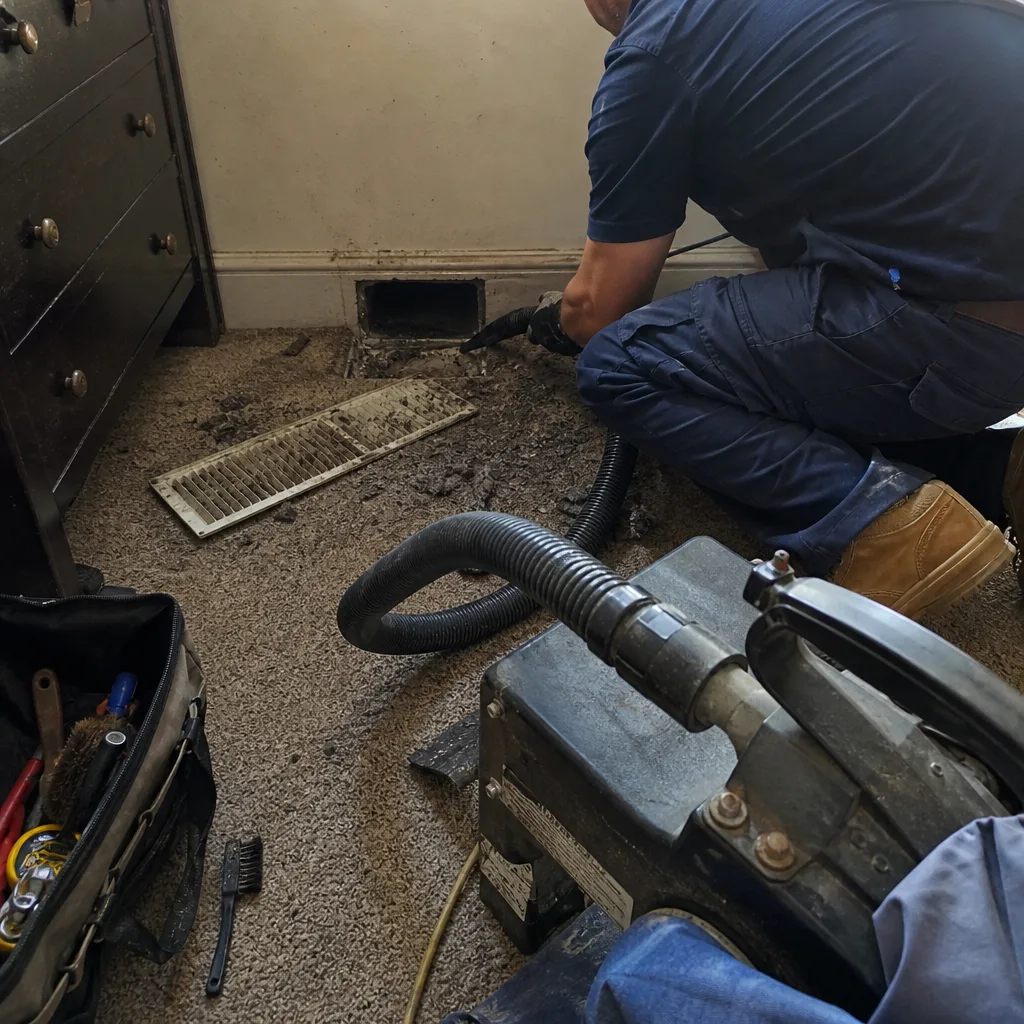 Before
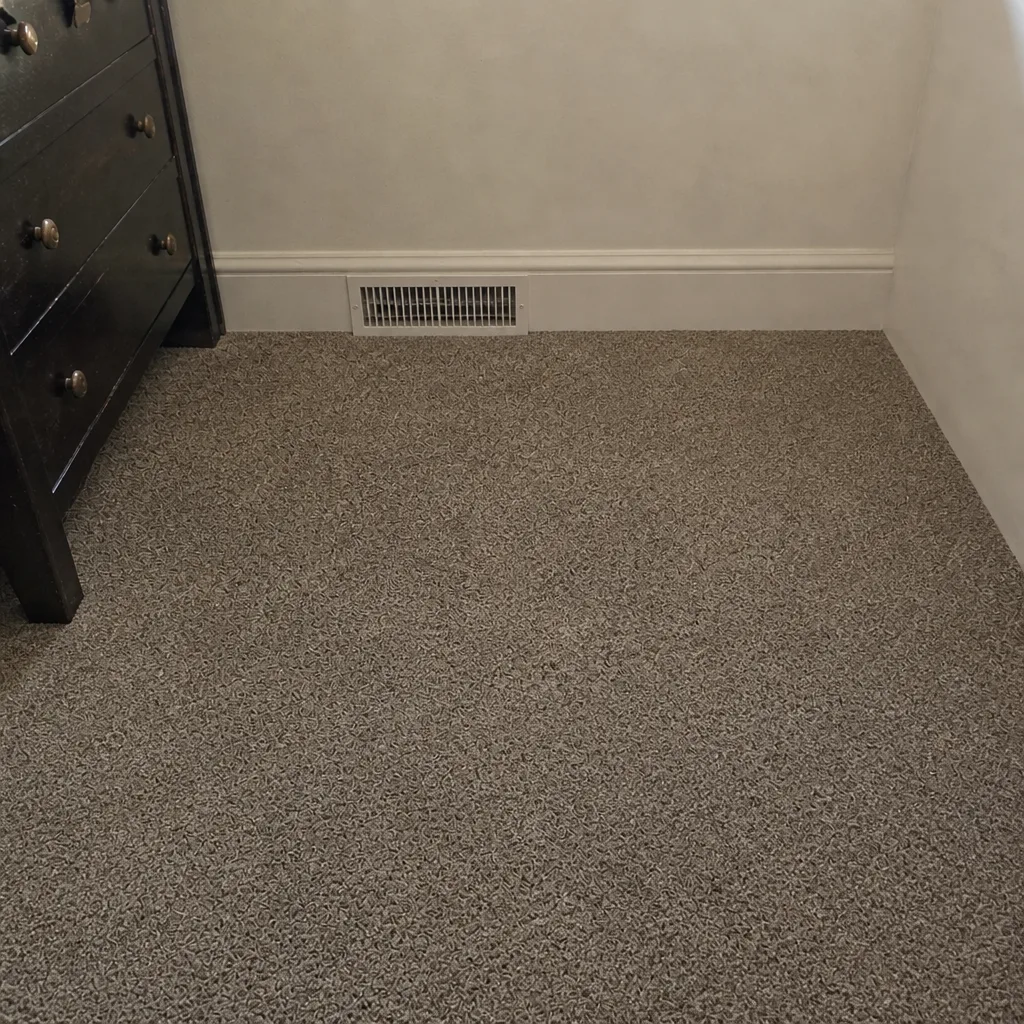 After
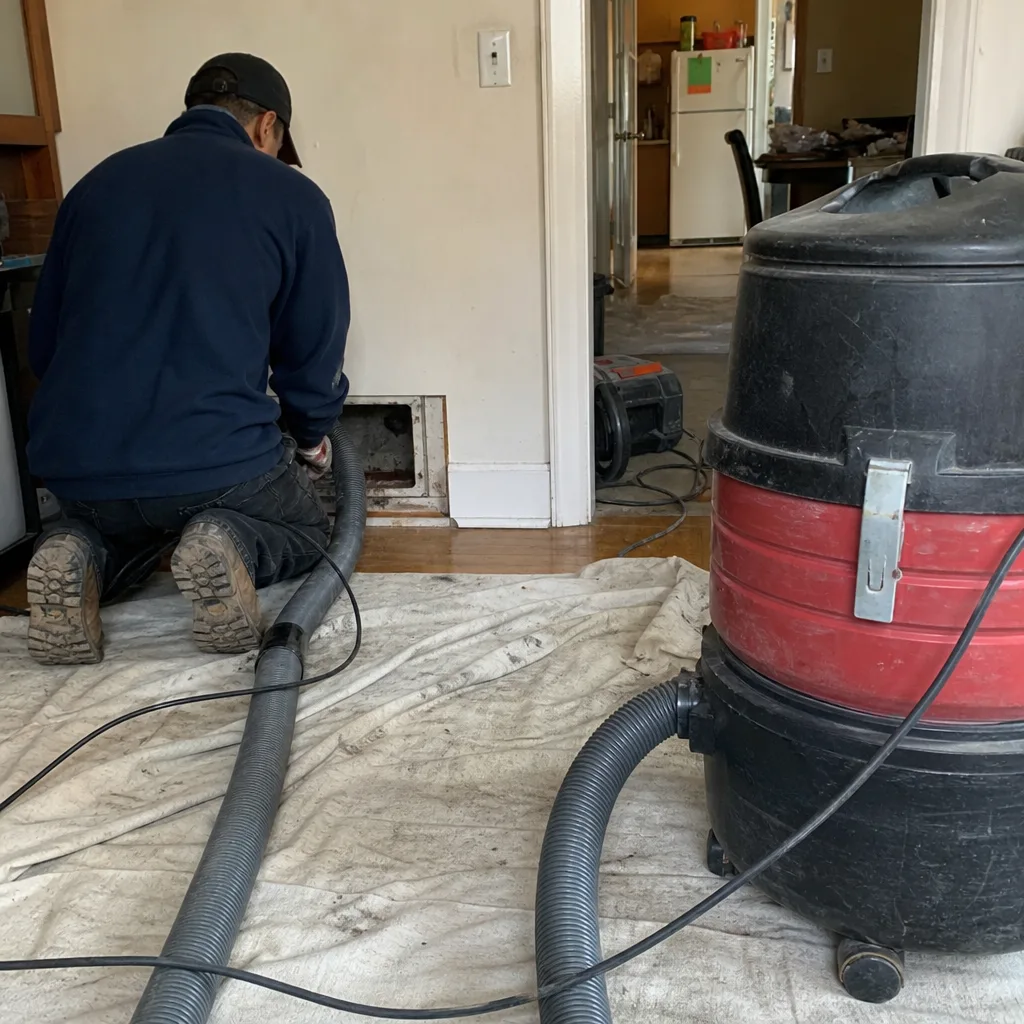 Before
 After
 Before
 After
When to Call a Professional
Some situations call for a professional visit rather than more investigation on your own. If allergies or asthma symptoms have gotten worse indoors and filters aren’t helping, if a musty odor persists after a filter change, if the energy bill has climbed without a change in usage, or if you’ve noticed visible dust blowing from the registers when the system starts, that’s a system-level problem. In Highbridge’s older buildings, the same goes for a renovation that disturbed hidden duct runs, a dryer that takes two cycles to dry a load, or a return chase that shares a wall with an exterior wall. The other reliable trigger is time: if you’ve been in the home a while and can’t remember the system being cleaned, an inspection is worth the call. Air Duct Cleaning Highbridge offers free estimates in Highbridge – call (888) 219-1385. Our technicians have up to 14 years of experience, the local pro is licensed and insured as their state requires, and we quote one flat price per system before any work begins.
Frequently Asked Questions
Duct cleaning is priced per system, not per vent, and the final number depends on the size and layout of the system after inspection. That’s why we don’t quote a headline number on a website – the quote is set in writing after a walkthrough, and it’s the price you pay. Call (888) 219-1385 for an exact quote – estimates are free.
Cheap quotes usually cover a smaller scope: vacuuming the register faces without putting the trunk line under negative pressure, or cleaning the supply side only. That work is fast and doesn’t require source-removal equipment, which is why the number looks lower. The cost difference shows up later when the ducts need cleaning again within a season. Call (888) 219-1385 for a whole-system quote you can compare against the low number.
Before-and-after photos of your own ducts, taken at the same points, plus a written verification report listing what was cleaned, what was found, and what products were used. We provide both as standard. If a company can’t show you the same, ask why before you book.
Most homes don’t need it on a fixed schedule. The triggers are specific: a renovation that generated dust, visible dust blowing from registers, persistent musty odor, or a system that hasn’t been cleaned in a long time. Highbridge’s older building stock, with its leaky joints and return chases, tends to benefit from cleaning and sealing together rather than on a recurring cycle. Call (888) 219-1385 and we’ll tell you honestly whether the system needs a cleaning now.
Yes. Supply and return sides each get their own negative-pressure setup and their own agitation pass. The air handler and evaporator coil are cleaned in the same visit, because leaving them dirty re-contaminates the system on the first cycle.
Yes. Duct repair and sealing are part of the same service, and in older Highbridge buildings it’s often the most important part. Disconnected flex connectors, unsealed plenum joints, and open access panels get identified during inspection and quoted alongside the cleaning. For a full picture of the standard residential service, start with Air Duct Cleaning Highbridge.
The Bottom Line
Duct cleaning in Highbridge isn’t a one-tool job. The rowhouse and pre-war conversion geometry requires source removal with matched equipment, separate negative-pressure setups on supply and return sides, and sealing to prevent re-contamination. The proof of a good job is a verification report with before-and-after photos of the customer’s own ducts and a particle reading that actually moved. Sanitizing is a targeted fix, not a default. The dryer vent is part of the same air-safety conversation. And the pricing model to insist on is one flat price per system, in writing, agreed before work begins. That’s the standard we hold on every job.
If you’re ready to schedule, call Air Duct Cleaning Highbridge at (888) 219-1385 for a free estimate. We answer 24/7. Fast dispatch from 7am to 7pm, Sunday through Friday, closed Saturday.
Written by the team at Air Duct Cleaning Highbridge.