
Last updated November 22, 2026
 Whole-home duct cleaning
 Dryer vent cleaning
 Camera inspection
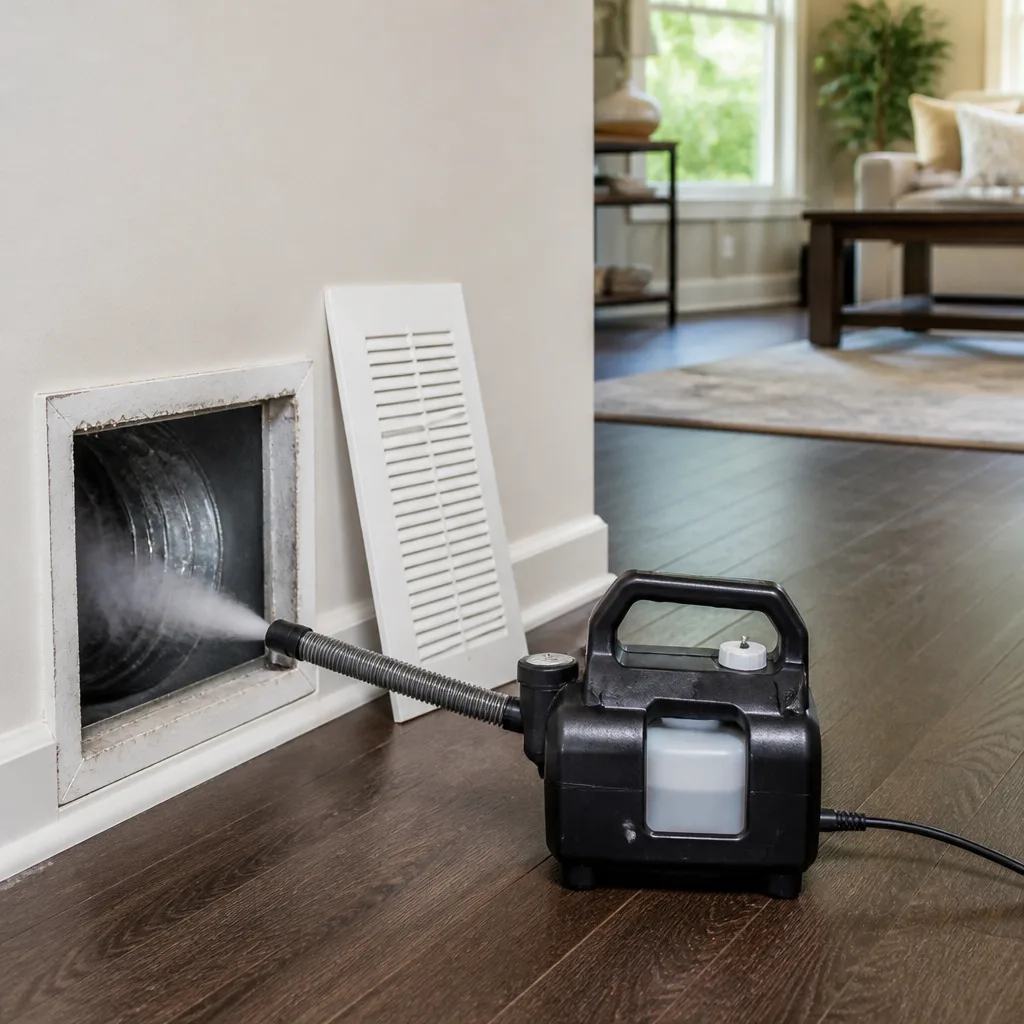 Sanitizing & deodorizing
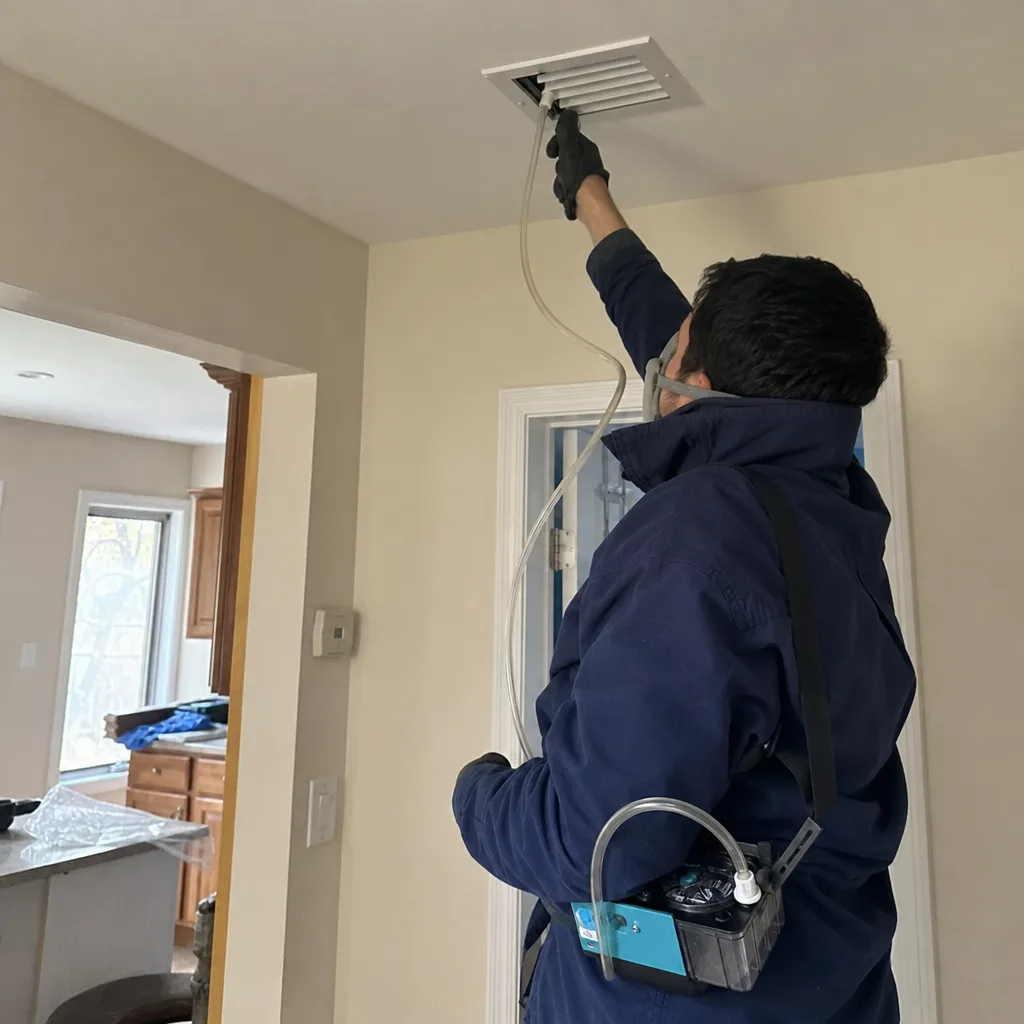
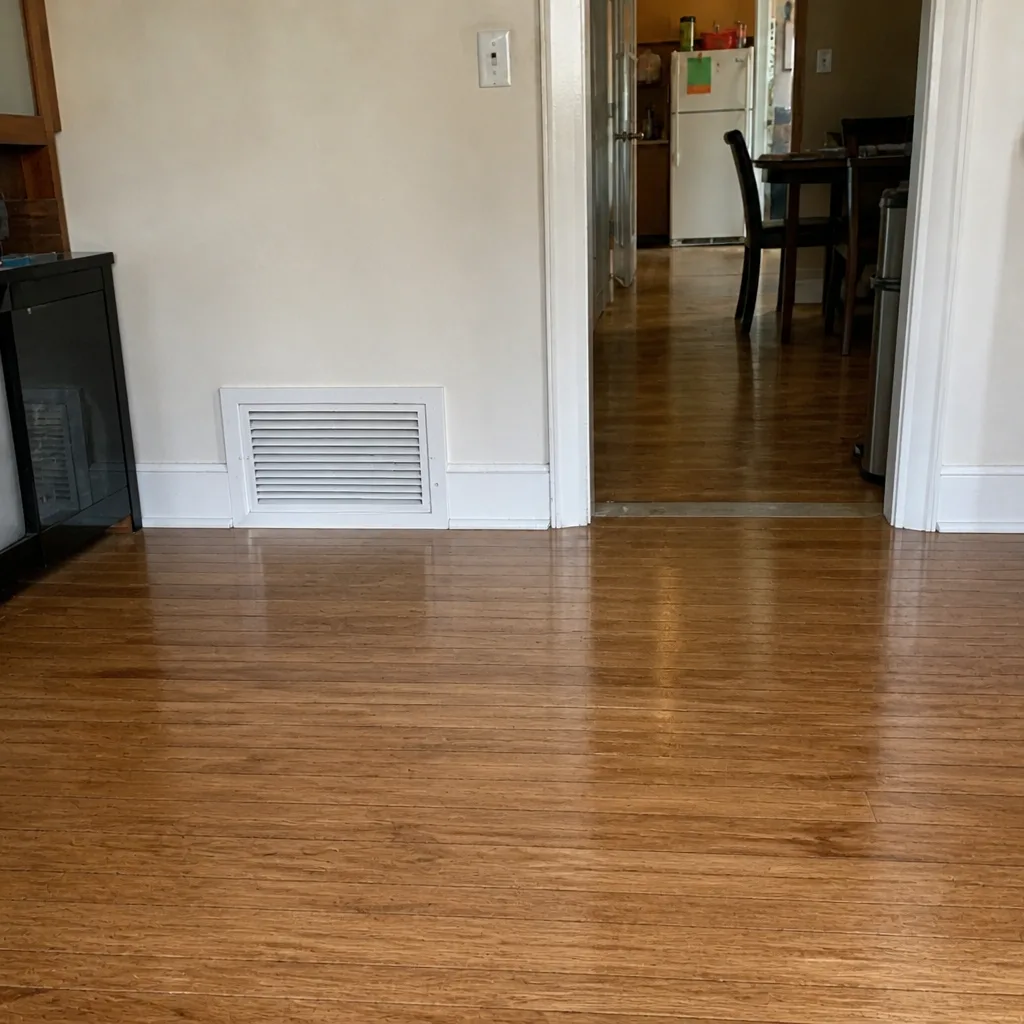
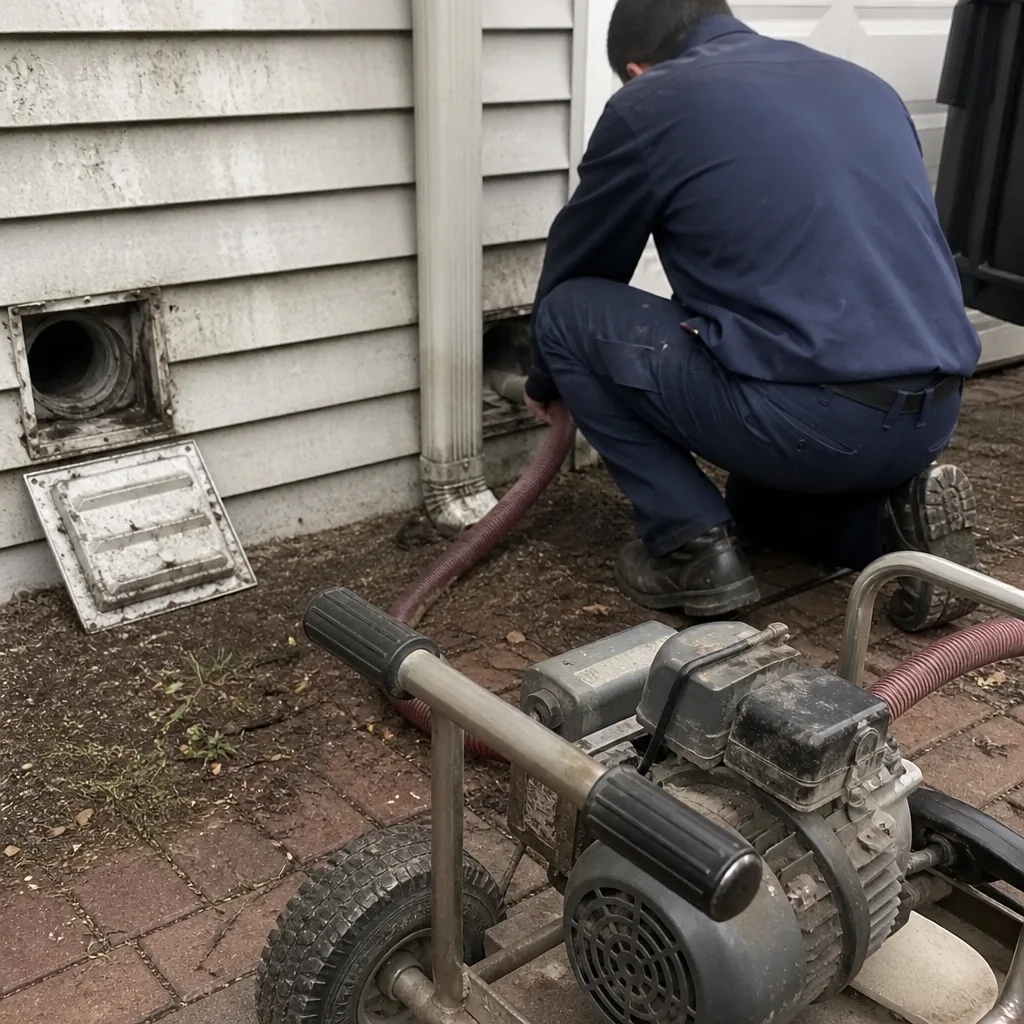
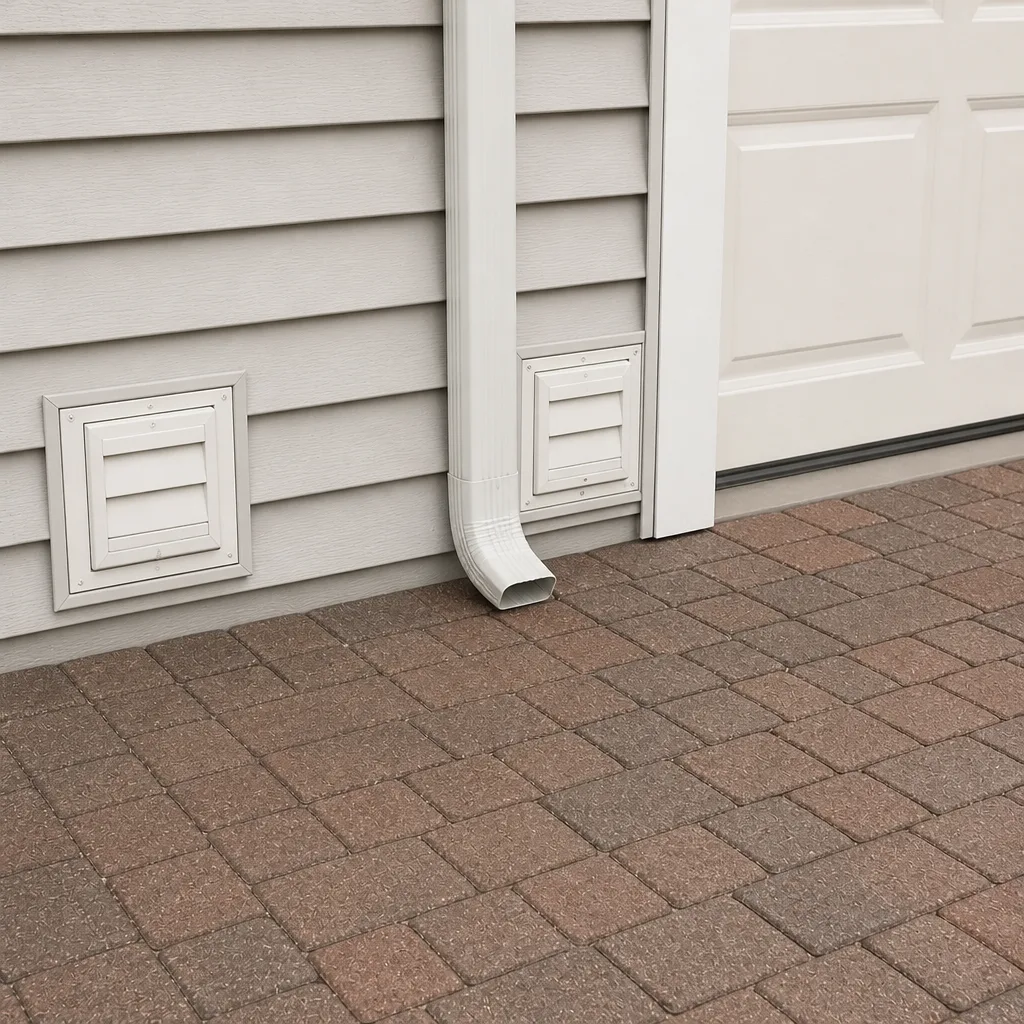
Whole-system duct and dryer vent check with before-and-after photos - you see exactly what came out of your vents
That "$99 whole-house special" is a bait ad - the real number appears once they are in your hallway, or the "clean" is a shop-vac at the register. We photograph the inside of your ducts before and after instead.
DIY vs Professional Air Duct Cleaning: The Highbridge Homeowner’s Decision Guide
Most homeowners assume the vacuum is the deciding factor. It isn’t. A household HEPA vacuum moves roughly 100 to 150 cubic feet of air per minute. The negative air machines we run on a professional job move 2,000 to 4,000 CFM. That gap matters because of what happens to dust when you loosen it faster than you can capture it. Plenty of do-it-yourself work actually worsens the problem: brush a return run with a shop vac and the particulate floats into the living room, the bedrooms, the air handler. Cleaning a vent is not the same as cleaning a system. Below we separate what you can honestly do in Highbridge from the work that requires sustained negative pressure and commercial equipment.
Quick Answer
You can clean accessible supply registers, wipe return grilles, remove lint from a dryer vent near the unit, and change filters yourself. You cannot properly clean the main trunk line, the plenum, the interior insulation of a duct run, or a contaminated air handler without sustained professional negative pressure. If you are seeing worsening allergies, musty odors, rodent evidence, post-renovation dust, or a system in a pre-1978 Highbridge home, professional cleaning is the safer and often cheaper choice.
Styles & brands we work with
- Whole-home duct cleaning
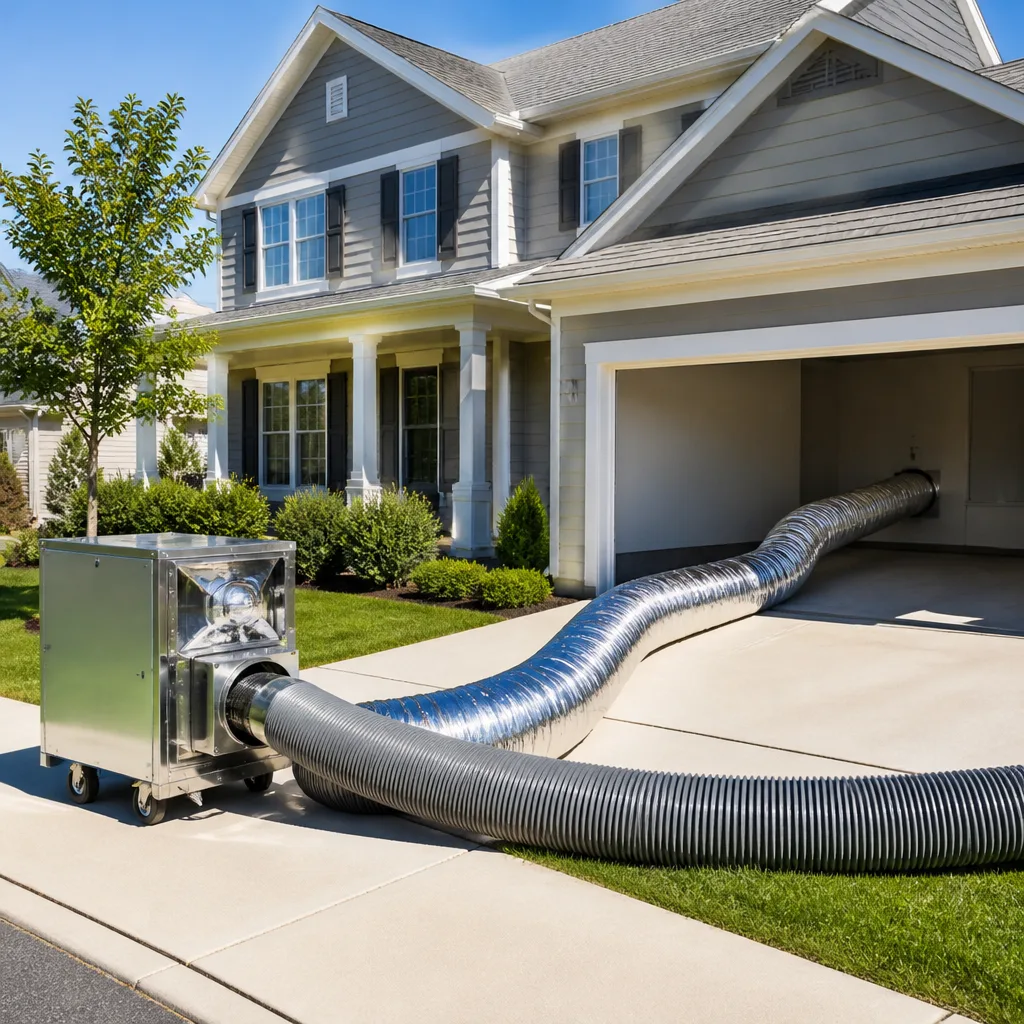
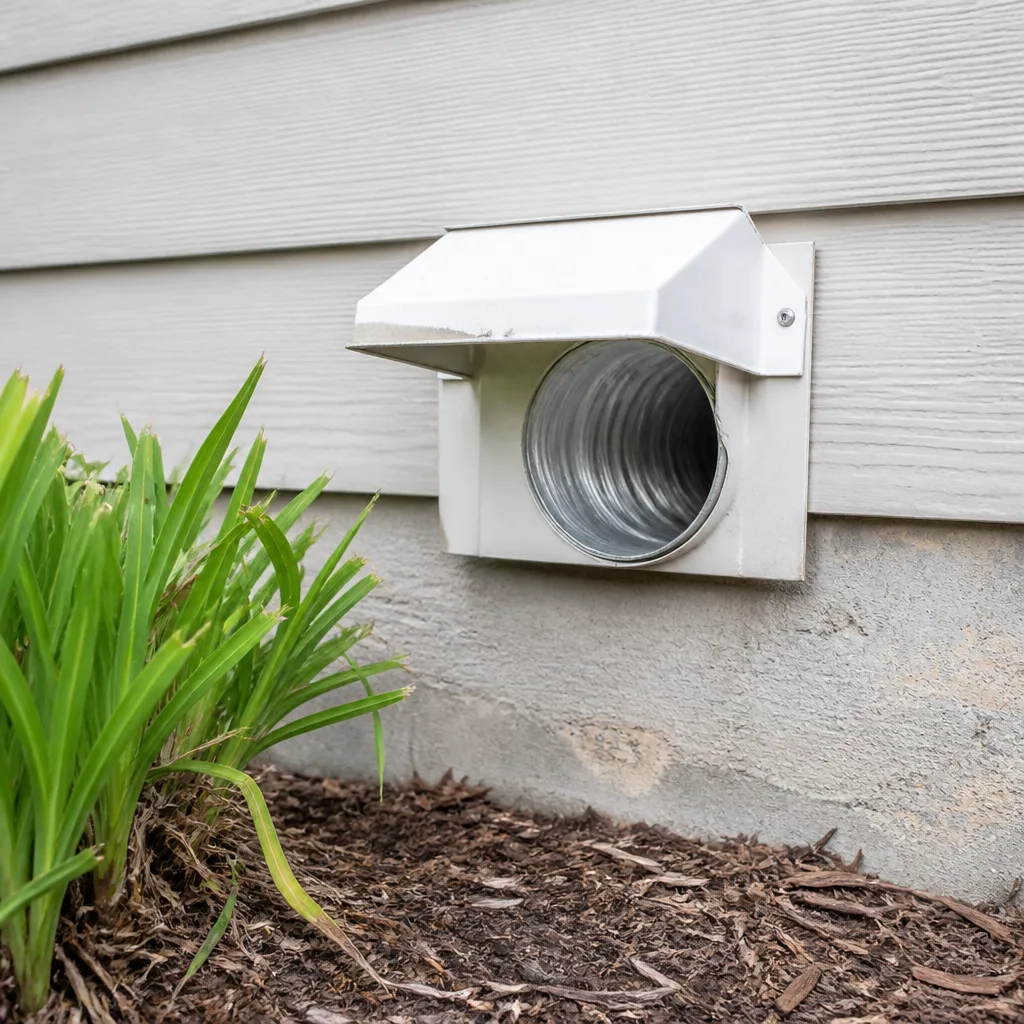
- Dryer vent cleaning
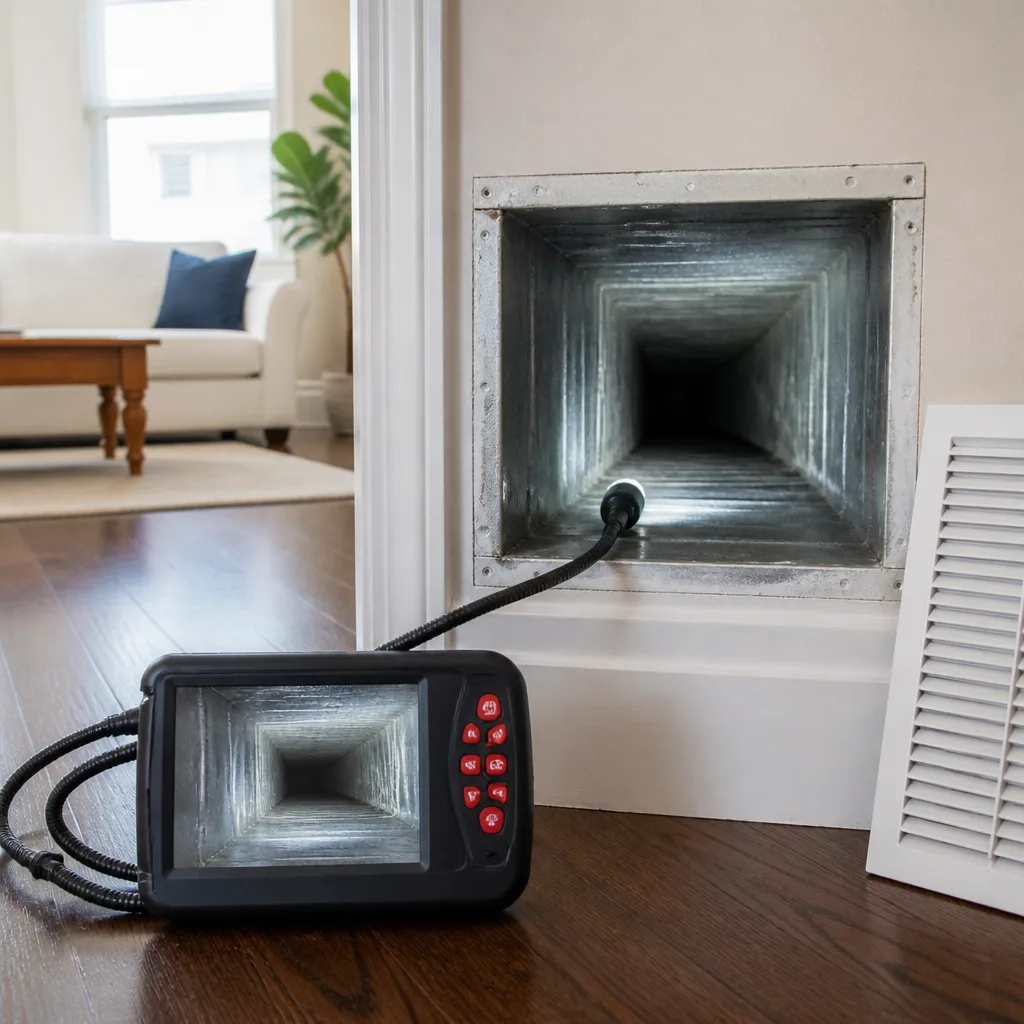
- Camera inspection
- Sanitizing & deodorizing
Table of Contents
- What a Highbridge Homeowner Can Legitimately Do
- Why Loosened Debris Without Negative Pressure Backfires
- What’s Actually Upstream of the Register
- The Real Cost Calculation: DIY Savings vs Remediation
- When Professional Cleaning Is Non-Negotiable
- What a Professional Cleaning Actually Involves
- What You Can Do Between Cleanings
- Common Mistakes to Avoid
- When to Call a Professional
- Frequently Asked Questions
What a Highbridge Homeowner Can Legitimately Do
There’s real value in the parts of this work you can do yourself, and we don’t pretend otherwise. A homeowner with basic tools and a steady hand can handle a meaningful share of the routine maintenance in the system. The trick is knowing where the line falls, because crossing it is where DIY turns counterproductive.
Here’s a realistic list of what we tell people they can do without commercial equipment:
- Clean supply registers. Pop off the cover, wipe the interior with a damp cloth, and check for visible black dust along the edges. Ten minutes per register and you’ve addressed the most visible dust load in the system.
- Vacuum return grilles. The return grille is the intake, so it collects the most debris. A standard HEPA vacuum with a brush attachment is fine here.
- Remove accessible dryer vent lint. The lint screen and the first foot or two of vent behind the dryer are yours to maintain. Anything past the wall cavity isn’t.
- Replace filters on schedule. This is the single highest-leverage thing you can do, and it’s a five-minute job. More on intervals below.
- Inspect exterior grilles from the outside. Look for nests, blockage, screens pushed in, and any evidence of bird or rodent access. Don’t reach into the duct from the outside; just note what you see.
Notice what’s missing from that list: the trunk line, the plenum, the air handler, and anything inside a wall or ceiling cavity. That’s not a limitation invented to sell you a service. It’s the physical reality of how ductwork is built. In Highbridge’s older housing stock, particularly the multi-family buildings and pre-war homes near the Harlem River, the trunk usually runs inside wall cavities or above finished ceilings. There’s no way to reach it with a household tool, and there’s no way to test it once you’re done.
Why Loosened Debris Without Negative Pressure Backfires
Here’s the part most DIY articles skip. Dust in a duct isn’t inert. It’s sitting on the duct wall, held there by a combination of adhesion, static, and light moisture. As long as the air is moving at normal furnace speeds, it mostly stays put. The moment you disturb it, you have a problem with two parts.
First, the air handler is still running while you work, unless you shut it off at the panel. Every supply register you open while the system is on creates a pressure change that pushes loosened particulate toward the occupied space. Second, even with the system off, the moment you re-open a register or turn the thermostat back on, you’ve now got a burst of suspended debris with nowhere to go but back into the rooms.
The professional method is the opposite. We set the air handler to a specific fan setting (often with the furnace off), place the negative air machine at a strategic point on the trunk, and pull air through the system toward a HEPA collection point. Only then do we insert agitation tools like a Rotobrush or a compressed-air whip. The tool loosens debris; the negative pressure captures it. Both have to happen at once. Dislodging without capture is worse than not cleaning at all, especially if the loosened material includes mold spores or rodent contamination.
Here’s where CFM matters. A truck-mounted or high-volume stationary negative air machine moves 2,000 to 4,000 cubic feet per minute, which is enough to keep the debris in the airstream and pull it out. A household vacuum moves 100 to 150, which is enough to keep a small area clean but nowhere near enough to keep the trunk under sustained negative pressure while you agitate a twelve-foot run. The math doesn’t allow it.
What’s Actually Upstream of the Register
If you’ve ever looked at a clean supply register in an older home and wondered where the black dust keeps coming from, the answer is usually upstream. Here’s the hierarchy of what we typically find in Highbridge systems, listed in the order that they become a problem:
- The return plenum and filter housing. This is where filtration happens, so this is where dust and filter-bypass load concentrates. If a filter hasn’t been sized and seated correctly, dust bypasses the filter entirely and never sees the cartridge.
- The main trunk line. Long horizontal runs, especially in basement or ceiling installs, become the deposition zone. Debris settles here because air velocity drops in the larger cross-section.
- The duct liner. Fiberglass interior liner is common in older Highbridge homes. If it has gotten wet (from a leak, a humidifier issue, or condensation), it can hold moisture and support microbial growth in a way that sheet-metal ductwork can’t.
- The air handler and evaporator coil. This is the part of the system most DIY cleaning never reaches. Dust on the coil, the blower wheel, and the cabinet interior is a big contributor to musty smells and reduced airflow.
- Branch takeoffs and flex runs. These bend, sag, and trap debris in ways the main trunk doesn’t.
Look at that list again. Only the top item is reachable from inside the home without specialty tools and access. The rest requires nothing exotic – just the right equipment and a way to keep the system under negative pressure while working.
This is also why our air duct cleaning starts with a walkthrough and a diagnostic rather than a vacuum. Knowing what’s upstream changes what needs cleaning. A system with a sealed filter housing and a clean coil needs less work than one with an unsealed install and a heavily loaded air handler.
The Real Cost Calculation: DIY Savings vs Remediation
Most homeowners thinking about DIY look at two numbers: what a professional estimate costs, and what a shop vac costs (which they may already own). That math is honest as far as it goes, but it’s incomplete. The real calculation has to include the cost of what happens if the DIY job goes wrong, and in Highbridge we’ve seen that scenario more often than you’d think.
Here’s how we’d frame the comparison:
- DIY cost: Your time, plus a HEPA vacuum if you don’t have one, plus a vent brush and possibly a dryer-vent kit. Filter costs are the same in both scenarios.
- Professional cost: A per-job estimate agreed before work starts, covering the full system (trunk, branches, registers, air handler depending on the scope), with before-and-after photographs of your ducts.
- DIY remediation scenario: If the process loosens mold spores or rodent contamination without capturing it, and the result is a system-wide contamination that needs professional remediation – mold remediation, liner replacement, sanitizing – the total usually exceeds what a straightforward cleaning would have cost. Not always, but often enough that we recommend caution.
- Time cost: A professional cleaning of a typical Highbridge home takes a few hours. A thorough DIY attempt takes a weekend and usually stops at the registers.
There’s also a quieter cost: the feeling that you’ve cleaned the system when you haven’t. A homeowner who’s wiped every register may skip professional cleaning for years, and in the meantime the trunk and air handler keep accumulating. In Highbridge’s climate, with humid summers and heating-season dryness cycling through the same system each year, the accumulation is steady.
We don’t hide the price. We agree on a flat price per system before work starts, which is exactly what you’d expect from a technical service and exactly what keeps the invoice from growing after the technician has opened the return.
When Professional Cleaning Is Non-Negotiable
Some situations are not close calls. If any of the following apply to your Highbridge home, professional cleaning isn’t the premium option – it’s the appropriate one.
- Post-renovation debris. Drywall dust, sawdust, and construction grit settle into the trunk during remodeling. Fine construction dust bypasses filter cartridges at a much higher rate than normal household dust, and it can wreck a blower wheel. After any significant renovation, a full cleaning is warranted.
- Rodent evidence. Droppings, nesting material, or gnawed duct liner inside the system are a remediation issue, not a maintenance issue. Handling this safely requires personal protective equipment, containment, and disposal procedures most homeowners aren’t set up for.
- Moisture-damaged fiberglass liner. Once interior liner has been wet and stayed wet, it can harbor microbial growth, and cleaning is only part of the answer. Sometimes the right move is duct repair and liner replacement, which is why we treat HVAC cleaning as a diagnostic first and a cleaning service second.
- Any system in a pre-1978 Highbridge home. Homes built before 1978 may have asbestos-containing materials in duct insulation, duct tape, or the joint mastic. Disturbing it without proper testing and handling is a genuine health hazard. A professional inspection is the only responsible first step. This isn’t a scare tactic; it’s the reason we ask about the age of the home on the first call.
- Persistent allergy or respiratory symptoms. If someone in the household has symptoms that worsen at home and improve elsewhere, the system is worth looking at properly. Cleaning the registers won’t touch the cause if the cause is upstream.
- A dryer vent with heavy lint buildup. Lint past the wall cavity is a fire-safety issue and needs professional removal. Our dryer vent cleaning service exists for exactly this reason, and it’s not an upsell to us – it’s a fire-safety service.
What a Professional Cleaning Actually Involves
If you’ve never watched a proper cleaning, the sequence is worth understanding because it tells you what to ask a contractor. Here’s how a typical job runs on a Highbridge home:
- Walkthrough and system mapping. We identify every supply, every return, the location of the air handler, and any known problem areas. We ask about recent renovations, moisture issues, and any prior ducting work.
- Setup and containment. Negative air equipment is staged at the air handler or main trunk. Registers are opened in a controlled sequence so the pressure differential pulls debris toward the collection point, not into the rooms.
- Mechanical cleaning of the trunk and branches. We use rotary brush and compressed-air tools from the professional Rotobrush and Nikro families – the same class of equipment used in commercial HVAC remediation. Each run is cleaned end to end with agitation and simultaneous suction.
- Air handler, coil, and blower cleaning. Dust on the coil and blower is an airflow problem and an odor problem. Cleaning these in the same visit is why full HVAC cleaning pays off.
- Sanitizing. Where contamination is present (mold spores, allergen load), we run a Guardsman-grade sanitizing step as part of the process, not as an add-on sold separately.
- Inspection and photographs. Before-and-after photographs of your ducts, taken on-site, so you can see what was actually removed. We show you what we found before we start and after we finish.
- Repair and sealing. If the inspection finds leaking joints, disconnected runs, or damaged liner, we address them. We clean the system, then we seal it – because a leaky duct undoes everything. Sealed ductwork stays clean longer and stops paying to heat and cool the attic.
- Optional air-quality upgrades. We supply and service Honeywell and Aprilaire air-quality products, so filtration, purification, or humidity control can be upgraded in the same visit if the diagnostic suggests it. That’s a single call covering cleaning, repair, and air-quality upgrades – no second vendor needed.
One team handles all five service categories – cleaning, dryer-vent safety, full HVAC cleaning, duct repair and sealing, and air sanitizing – so you don’t need to coordinate multiple trades. We use Abatement Technologies filtration equipment on every job because the containment is part of the service, not an option.
What You Can Do Between Cleanings
Professional cleaning is not a permanent reset. Between visits, the system keeps collecting dust like any other surface in your home, and the maintenance you do at home genuinely extends the results. Here’s what actually matters:
- Filter discipline. Replace or clean the filter on the interval your equipment and household call for – typically faster in a high-dust home (pets, nearby construction, open windows). Check it monthly with a visual inspection. If you can see through the filter at the light test, it’s done.
- Filter fit. A filter that doesn’t seat properly in the housing lets air (and dust) bypass it entirely. Check the fit when you change it. If there’s a visible gap, the cartridge isn’t doing its job.
- Humidity control. High indoor humidity encourages biological growth in any spot that stays damp. A humidifier or dehumidifier sized to your home, or a whole-home humidity solution from Aprilaire, keeps the system drier year-round. In Highbridge’s summers, this is worth more than most people think.
- Return grille inspection. Every few months, remove the return grille and look inside with a flashlight. Visible dust accumulation on the plenum surface, or any sign of moisture, is a signal to schedule a check.
- Dryer vent check. If the dryer is taking longer than it used to, or the outside vent flap doesn’t open fully when the dryer runs, the vent is accumulating lint. Time for a professional pass.
- Watch for the tell-tales. Rooms that are consistently dustier than others, a musty smell when the heat or AC kicks on, or higher energy bills without a change in habits – these are the reasons people call us. They’re also the reasons cleaning a system in Highbridge regularly pays for itself in comfort, even if the energy math varies.
If you’d rather not manage any of that yourself, we can handle the walkthrough and cleaning on a schedule that makes sense for your home. That’s the point of a full-pathway approach: we inspect, clean, repair, seal, and sanitize in one engagement.
Common Mistakes to Avoid
- Running the air handler while you clean. If the fan is on, you’re distributing loosened debris through the whole house. Shut it off at the thermostat before you open any register.
- Using a shop vac as a duct-cleaning system. A shop vac works for puddles and job-site debris; it doesn’t move enough air to keep the trunk under sustained negative pressure. It’s the wrong tool for a system that runs through hundreds of feet of ductwork.
- Inserting a brush into the duct and pulling it back and forth. The brush releases debris; without simultaneous capture, it spreads. This is doubly true in pre-1978 Highbridge homes where liner or joint material may not be safe to disturb.
- Ignoring the air handler. Registers look clean; the coil is loaded. Cleaning everything except the component that’s actually conditioning the air is a common DIY result.
- Skipping the filter-fit check. A new filter that doesn’t seat correctly is worse than an old one that does. Air finds the bypass every time.
- Cleaning ducts without sealing leaks afterward. Newly cleaned ducts with disconnected joints, unsealed returns, or loose takeoffs will re-contaminate (and leak air) within a season. Cleaning without repair is a partial job.
- Assuming a musty smell is a cleaning problem. If the smell returns within weeks of a cleaning, the answer is usually moisture – a leak, a humidifier issue, or condensation where it shouldn’t be. Cleaning alone won’t fix it.
When to Call a Professional
Call a professional duct cleaning service if any of these apply: you’ve just finished a renovation or will be starting one; you’ve seen rodent activity in or near the HVAC system; there’s a musty smell that returns after register cleaning; a duct liner has been wet; the home was built before 1978 and you don’t know the state of its duct insulation; your dryer vent hasn’t been cleaned in years; or anyone in the household is having allergy-like symptoms that worsen indoors. In Highbridge, we’ve watched enough of these situations turn into larger problems that our default advice is: have the system inspected, get a real estimate, and decide from there.
Air Duct Cleaning Highbridge offers free estimates in Highbridge – call (888) 219-1385. We answer 24/7. Fast dispatch from 7am to 7pm, Sunday through Friday. You’ll get a flat price per system before any work starts, before-and-after photographs once it’s done, and a written scope that tells you what we found and what we did about it. The local pro is licensed and insured as their state requires, and our technicians have up to 14 years of experience on systems like yours.
Frequently Asked Questions
Cost depends on system size, the number of runs, whether the air handler is included, and whether repair or sealing is needed. We don’t publish a teaser number because the honest answer is that a per-job estimate is the only reliable figure. Call (888) 219-1385 for a free estimate – we’ll walk the system with you and give you a flat price before any work starts.
Cheap quotes usually mean a small scope: a technician who opens registers, runs a shop-vac-grade hose for an hour, and skips the trunk line and air handler. That’s the industry’s bait-and-switch pattern – the low price is real, it just doesn’t cover the work that matters. We quote a flat price per system, not per vent, so you know exactly what’s being cleaned before the visit.
Ask for before-and-after photographs of your own ducts, taken on-site, not stock images. We show you what we found before we start and after we finish because there’s no reason a homeowner should have to guess. If a contractor can’t produce photos of your specific system, that answers the question.
Most homes fall in the three-to-five-year range, but the honest answer is that it depends on your home. High-dust households, homes with pets, recent renovations, and systems in older Highbridge buildings tend to need it more often; newer, well-sealed systems less often. Filters, humidity, and the state of the duct sealing all shift the interval. A brief inspection is the fastest way to know.
Yes, and yes – for the reachable parts. Cleaning supply registers, vacuuming return grilles, removing the lint screen and the first foot of dryer vent, and replacing filters are legitimate homeowner tasks. Skipping them is a mistake, but so is assuming that doing them means your system has been cleaned. The trunk, plenum, air handler, and interior liner are the parts that require professional equipment.
It requires extra care. In pre-1978 Highbridge housing, duct insulation, joint tape, and mastic can contain asbestos, and disturbing them without proper handling is a genuine health hazard. The right first step is an inspection that identifies the materials involved before any cleaning starts. Our technicians have up to 14 years of experience with these systems and can advise on what’s appropriate for your specific ductwork.
Yes, we clean dryer vents, and yes, it’s necessary. Lint past the wall cavity is a fire-safety issue, not a comfort issue, and it’s the reason we treat dryer vent cleaning as part of the air-safety conversation rather than a separate service category. We can handle it in the same visit as your air duct cleaning.
The Bottom Line
The DIY vs professional decision isn’t about whether you’re capable – it’s about which parts of the system you can safely and effectively reach. Registers, return grilles, filters, and the accessible part of the dryer vent are yours. The trunk, the plenum, the air handler, and the interior liner are not, and for good reason: without sustained professional negative pressure, loosening debris spreads more contamination than it removes. In Highbridge, the pre-1978 housing stock and the humid summers both add reasons to have a professional look before you decide to clean. If you want a straight answer for your home, our Air Duct Cleaning Highbridge team will inspect the system, give you a flat price, and show you the before-and-after. One call covers cleaning, repair, and air-quality upgrades – call (888) 219-1385 for a free estimate.
Written by the team at Air Duct Cleaning Highbridge.
See the difference
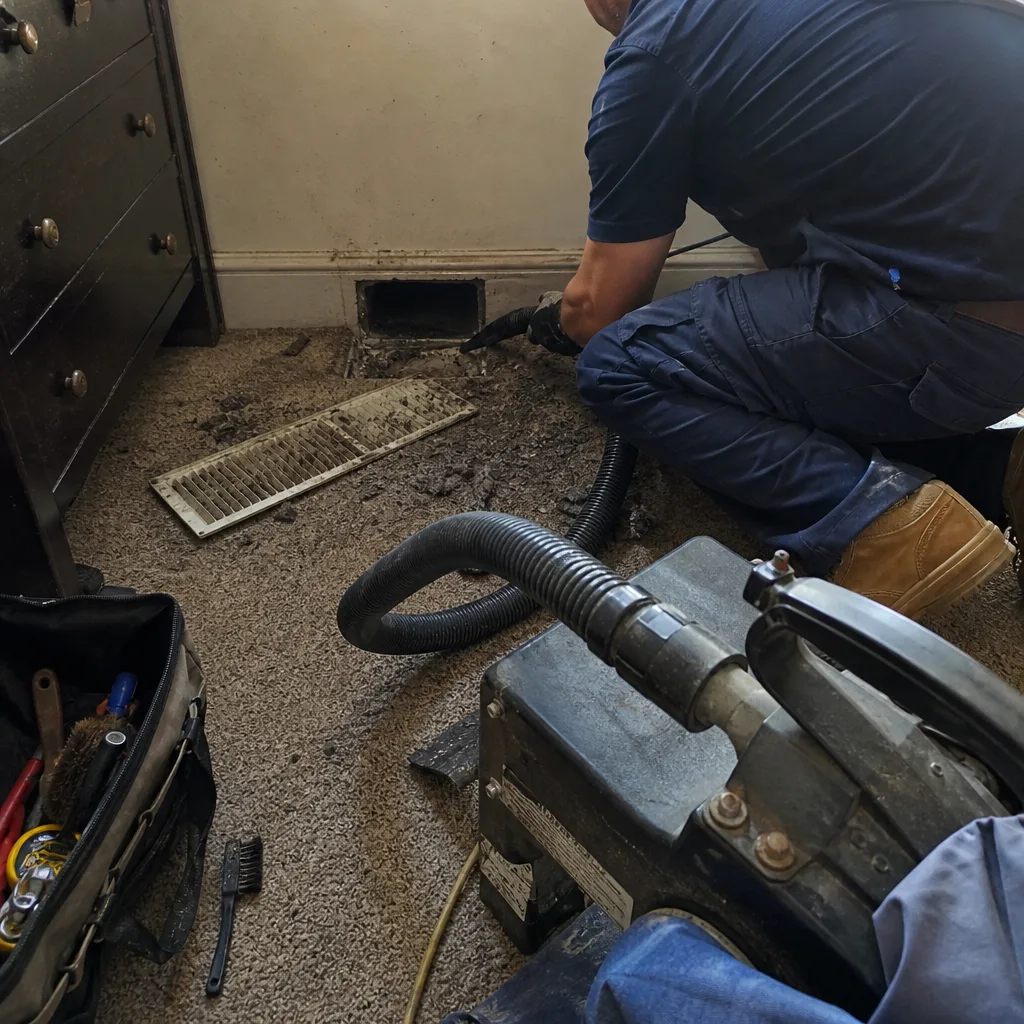 Before
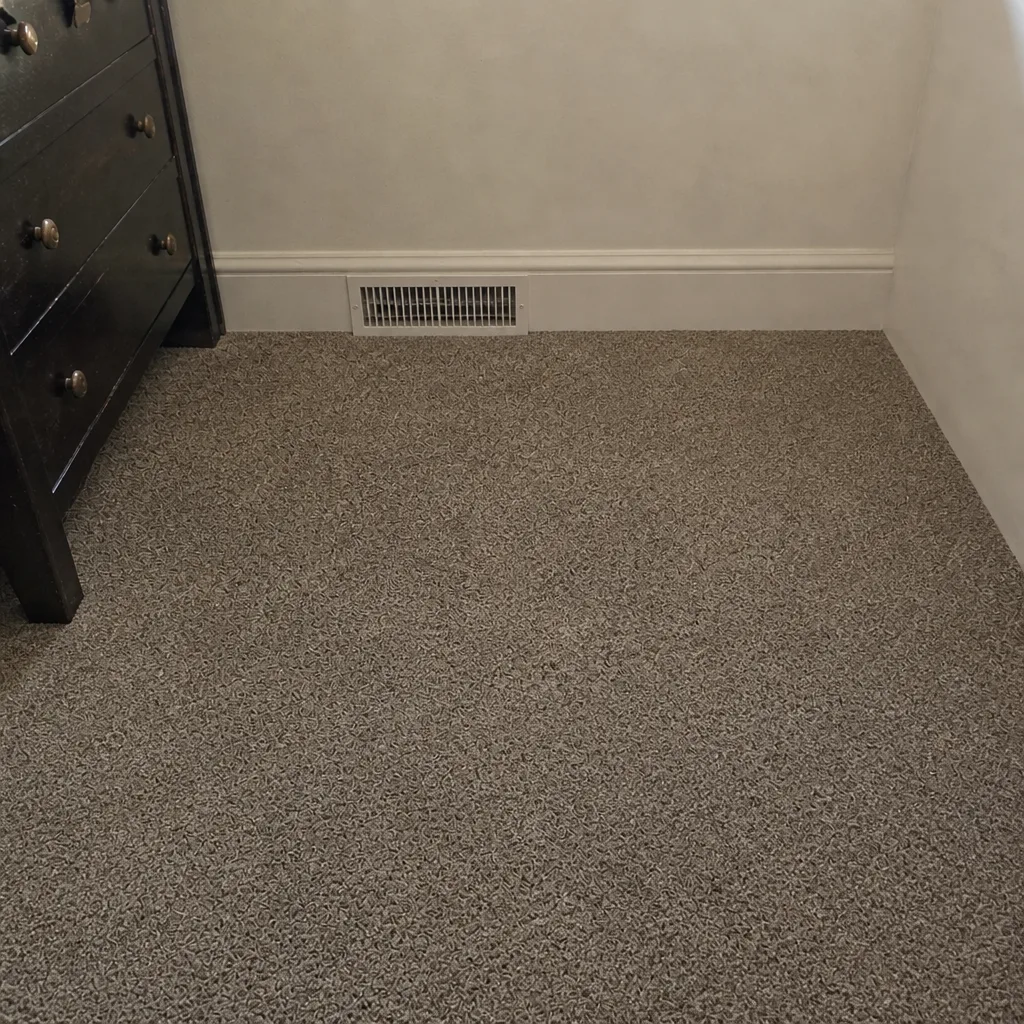 After
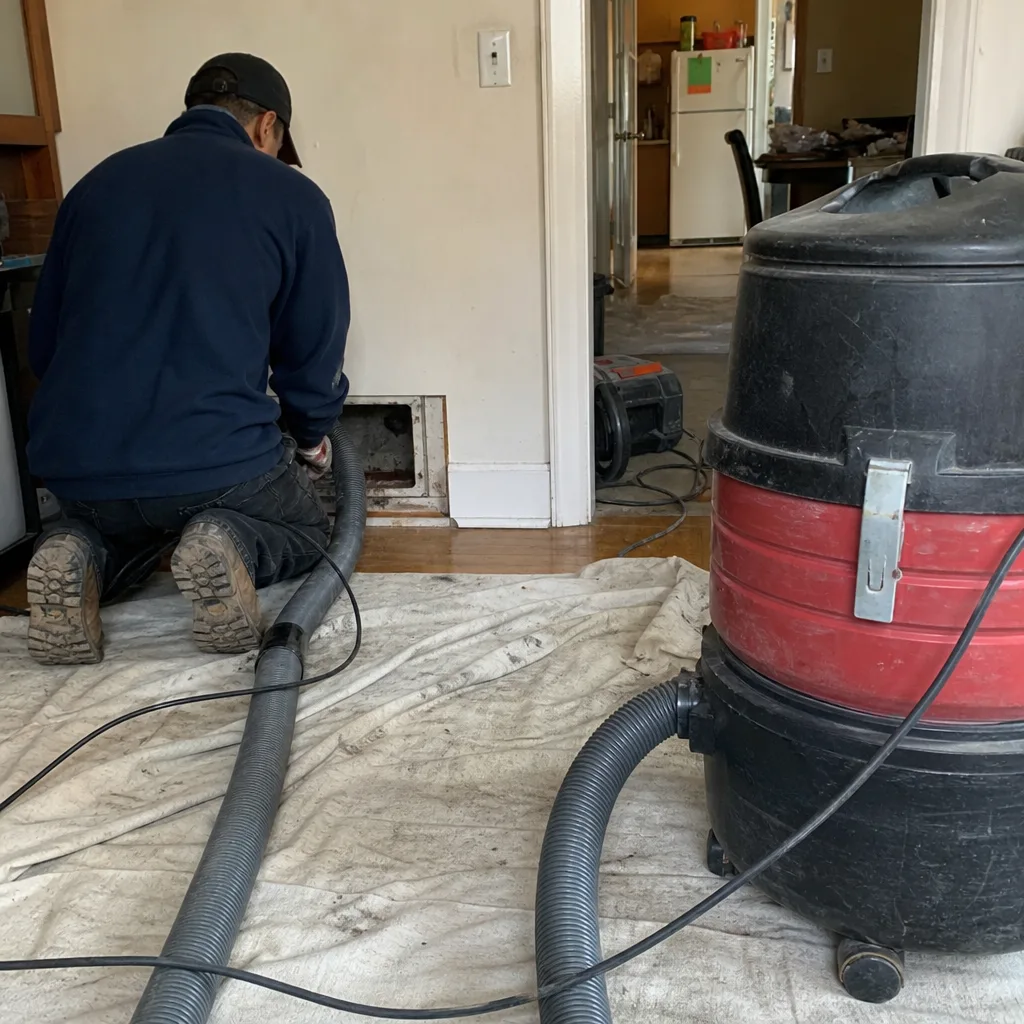 Before
 After
 Before
 After