
Last updated November 22, 2026
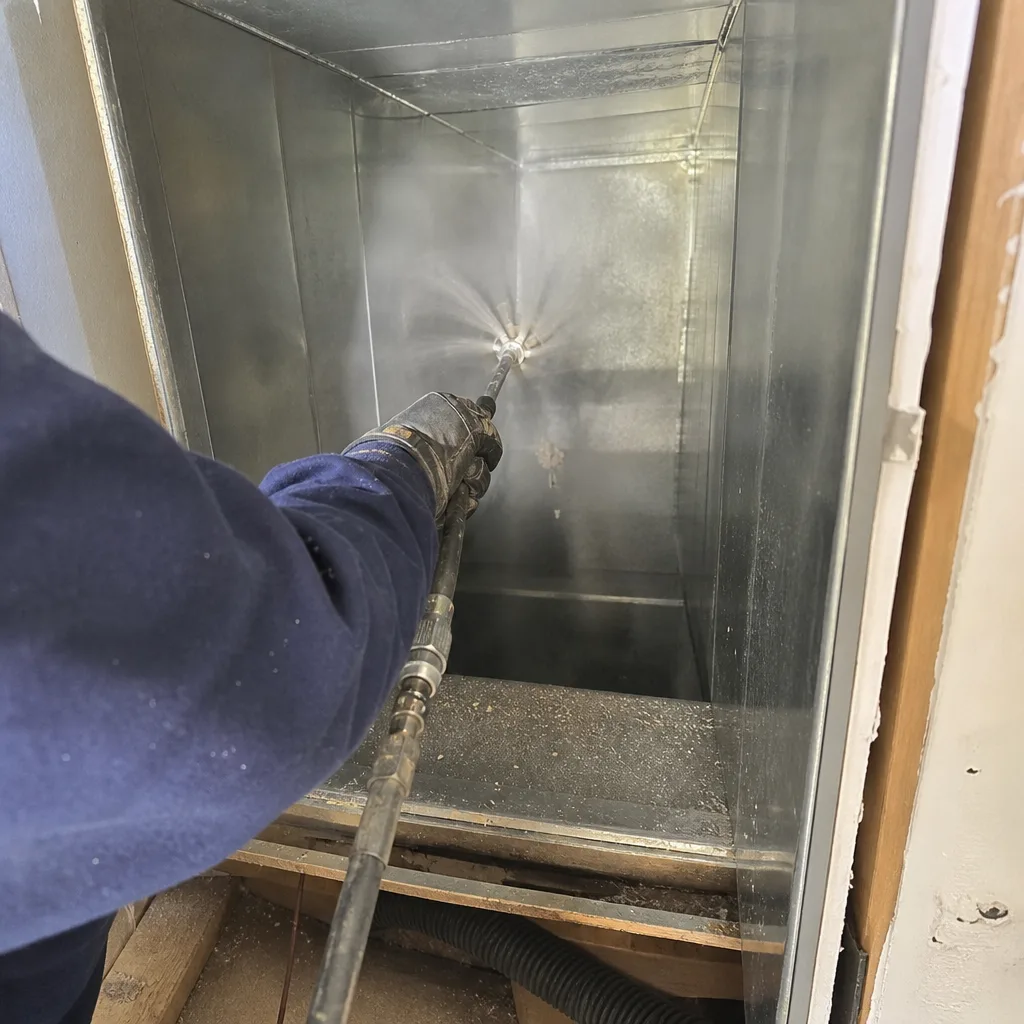
 Whole-home duct cleaning
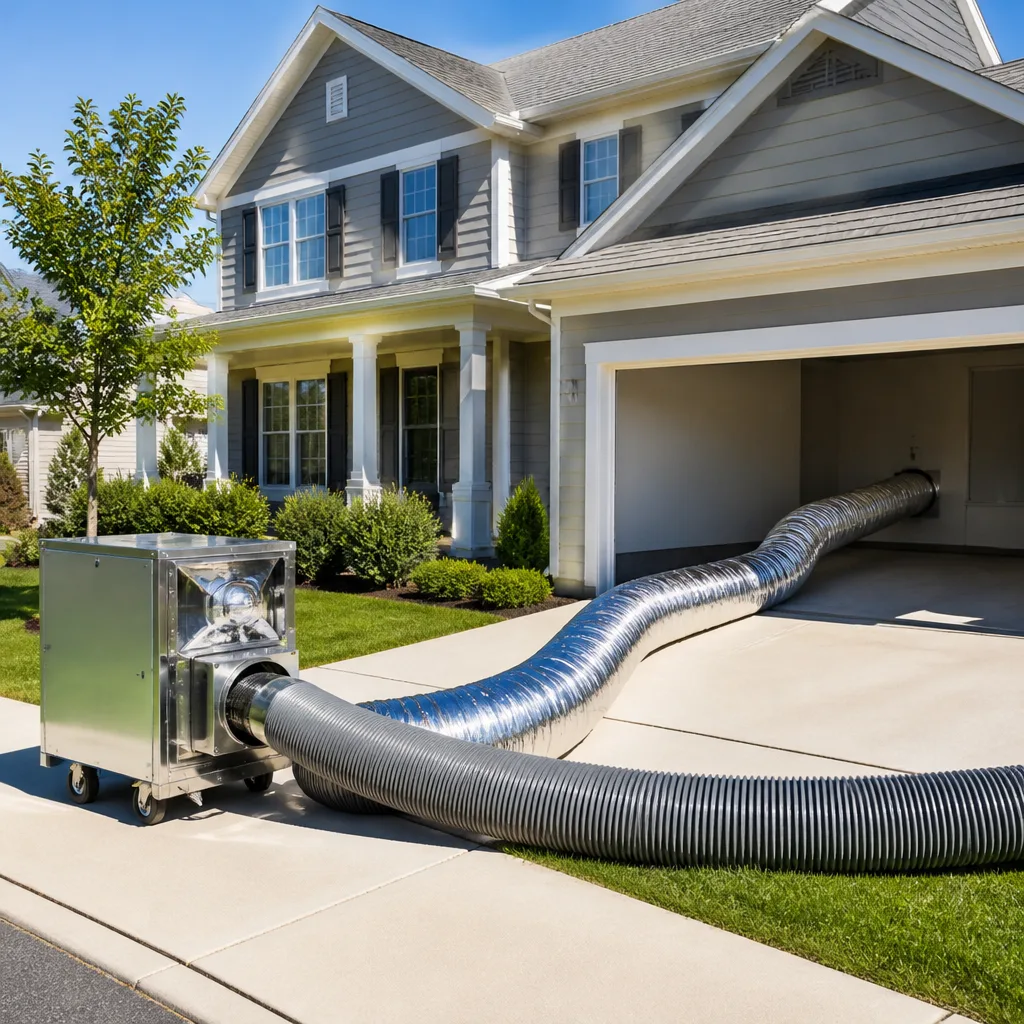
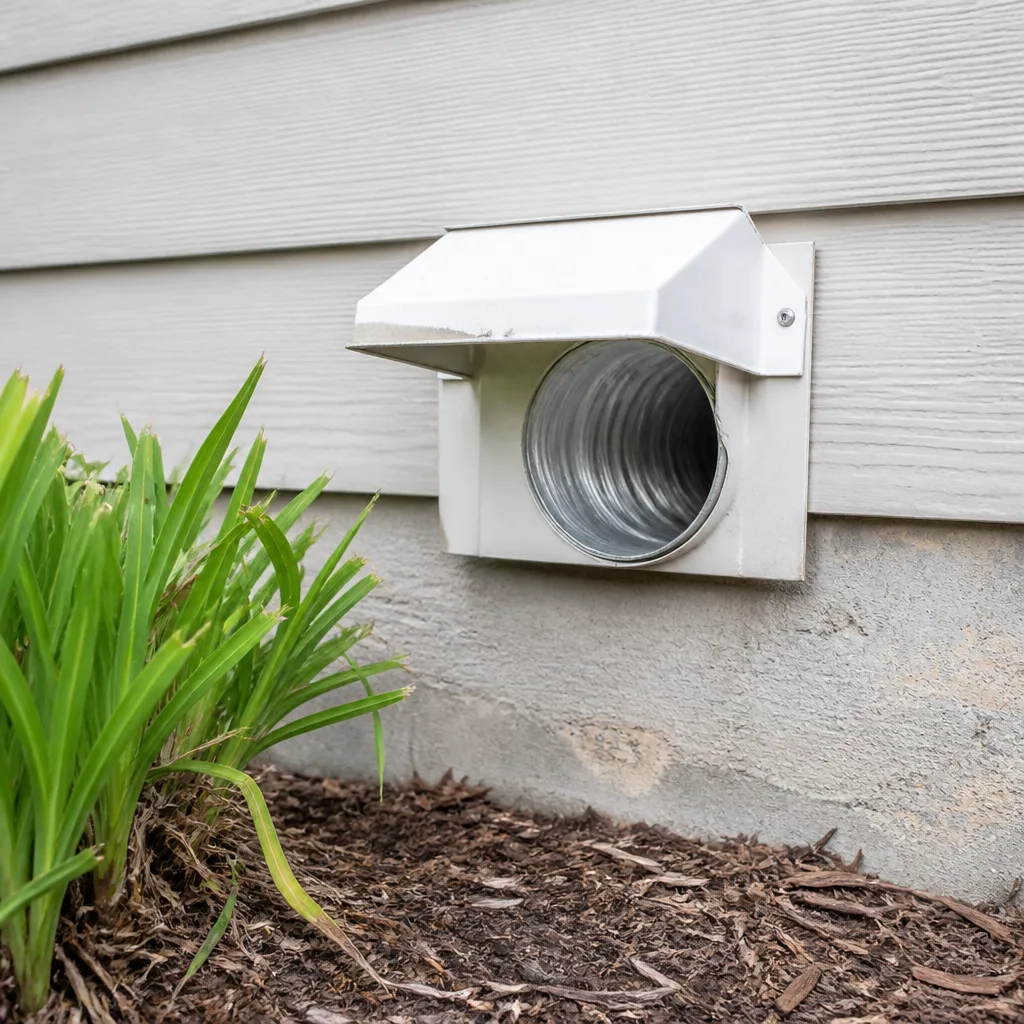 Dryer vent cleaning
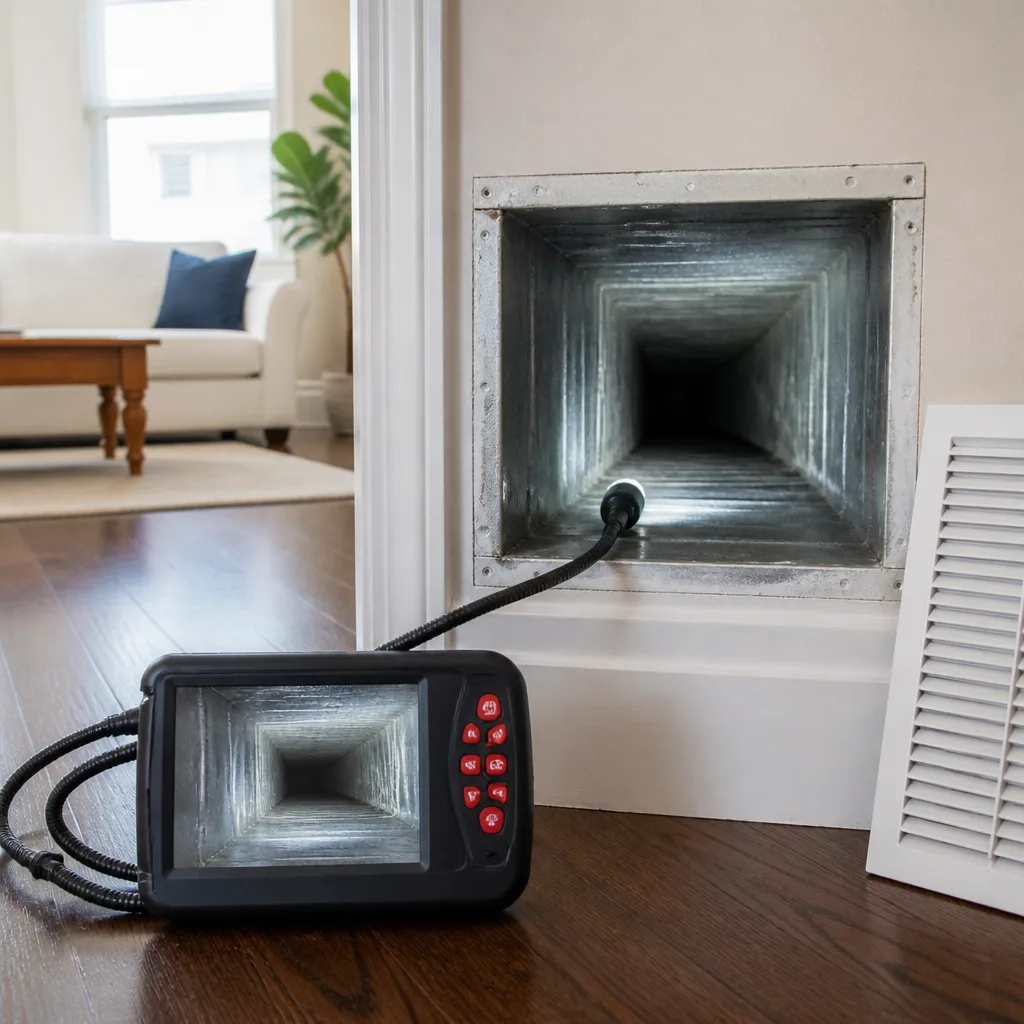 Camera inspection
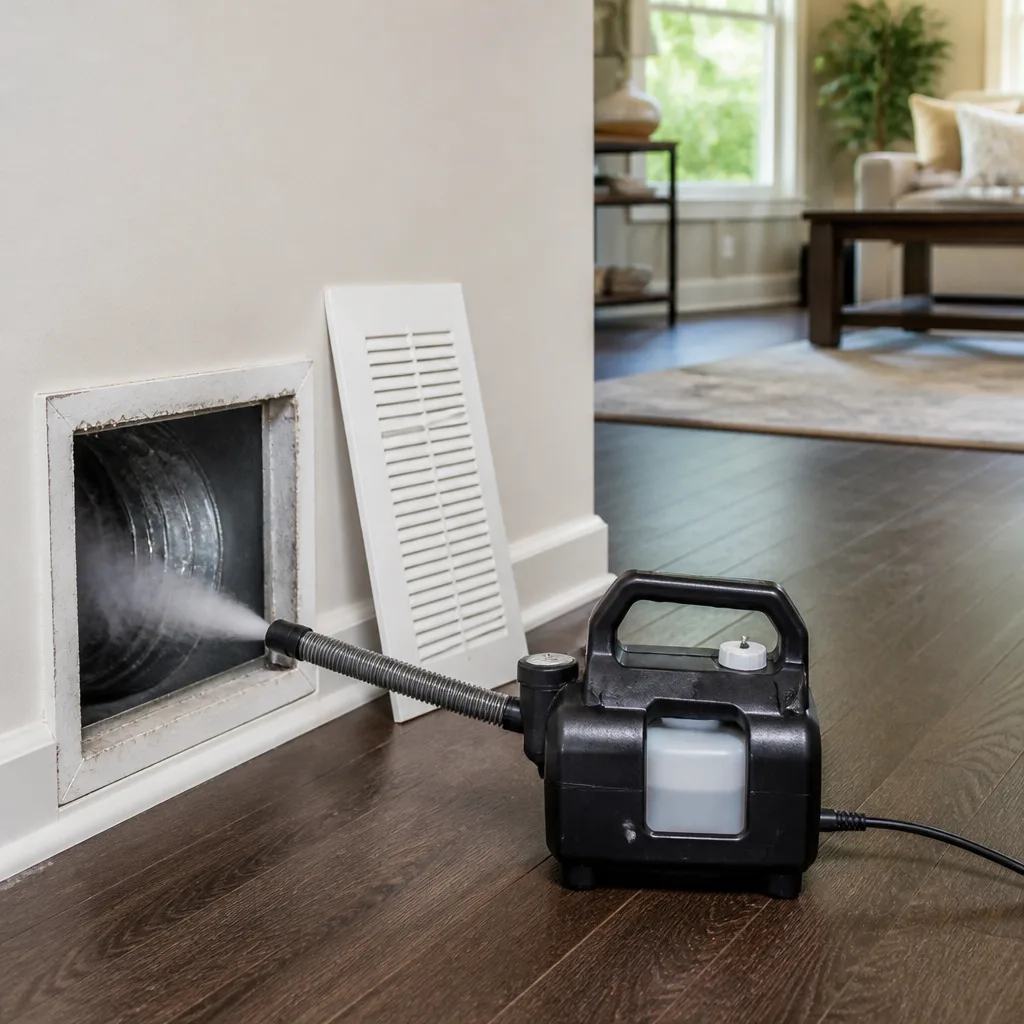 Sanitizing & deodorizing
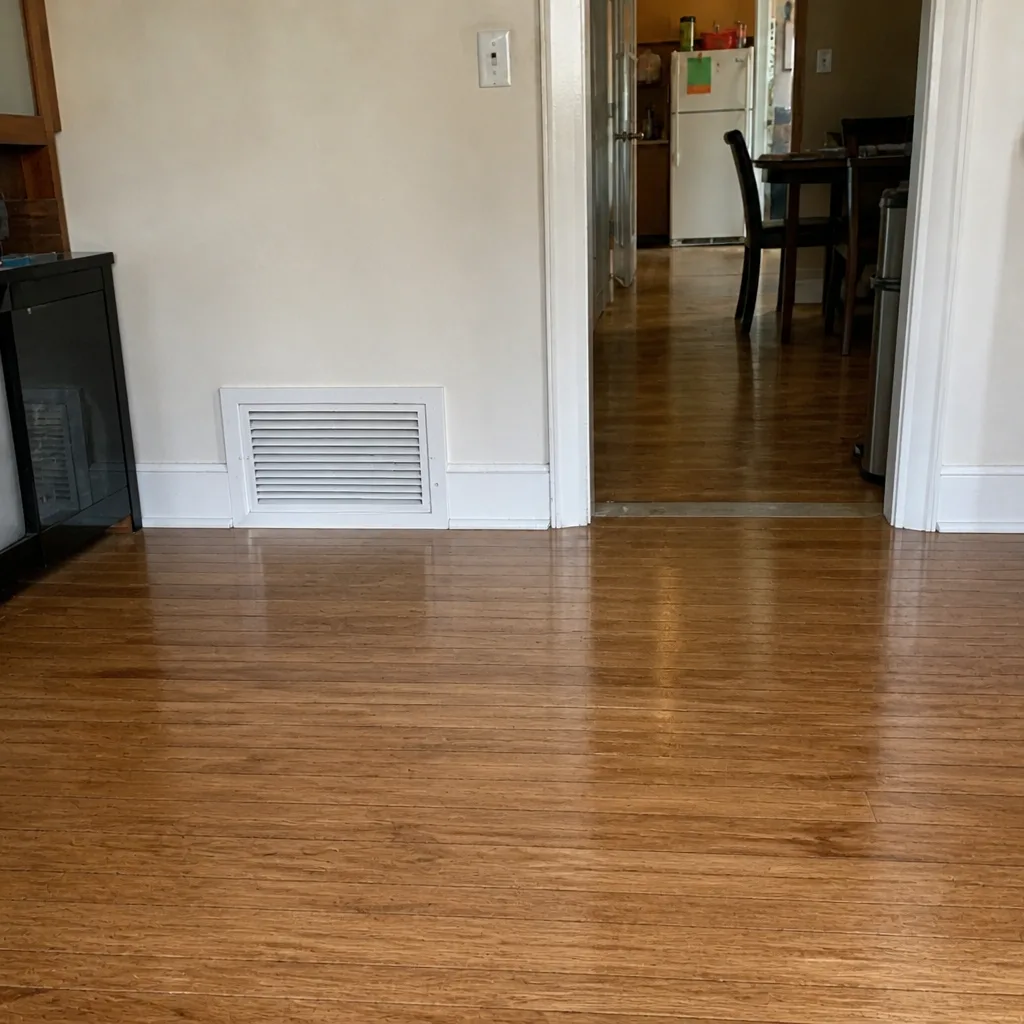
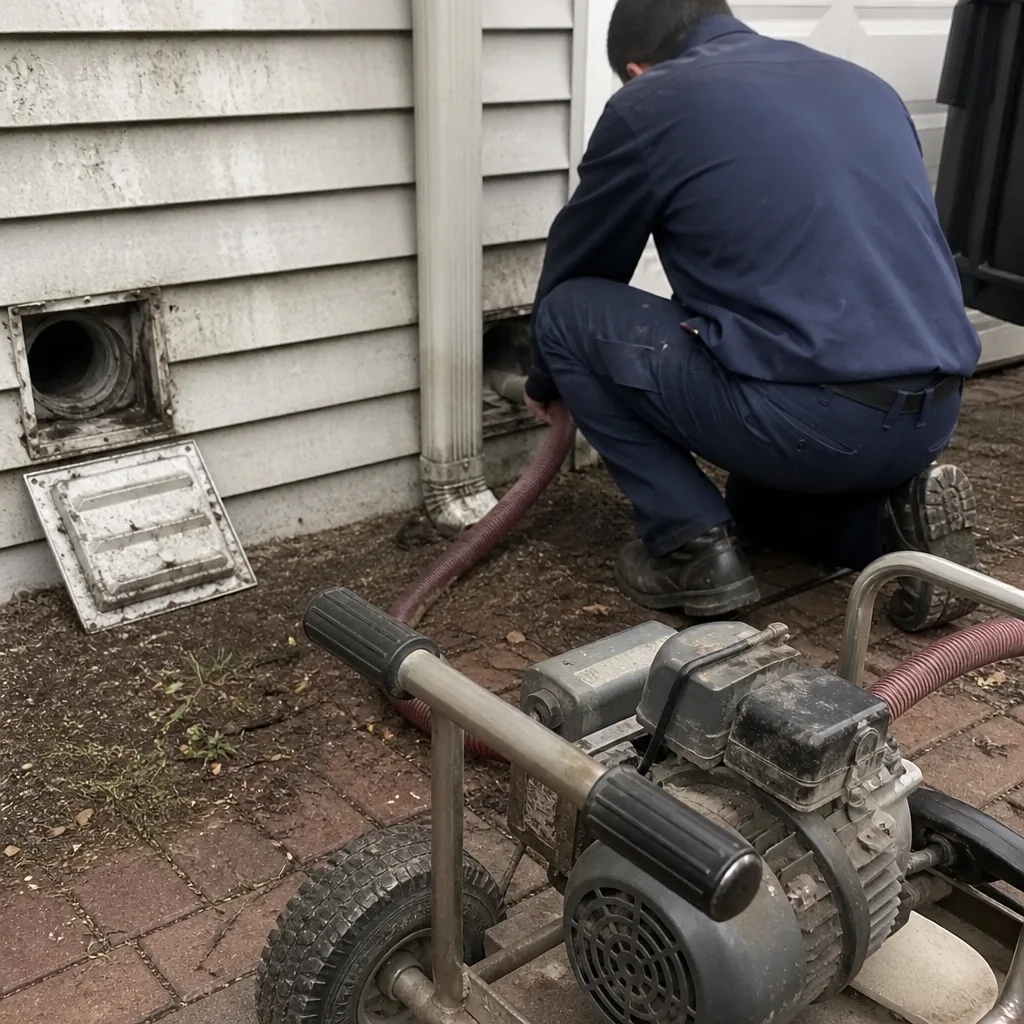
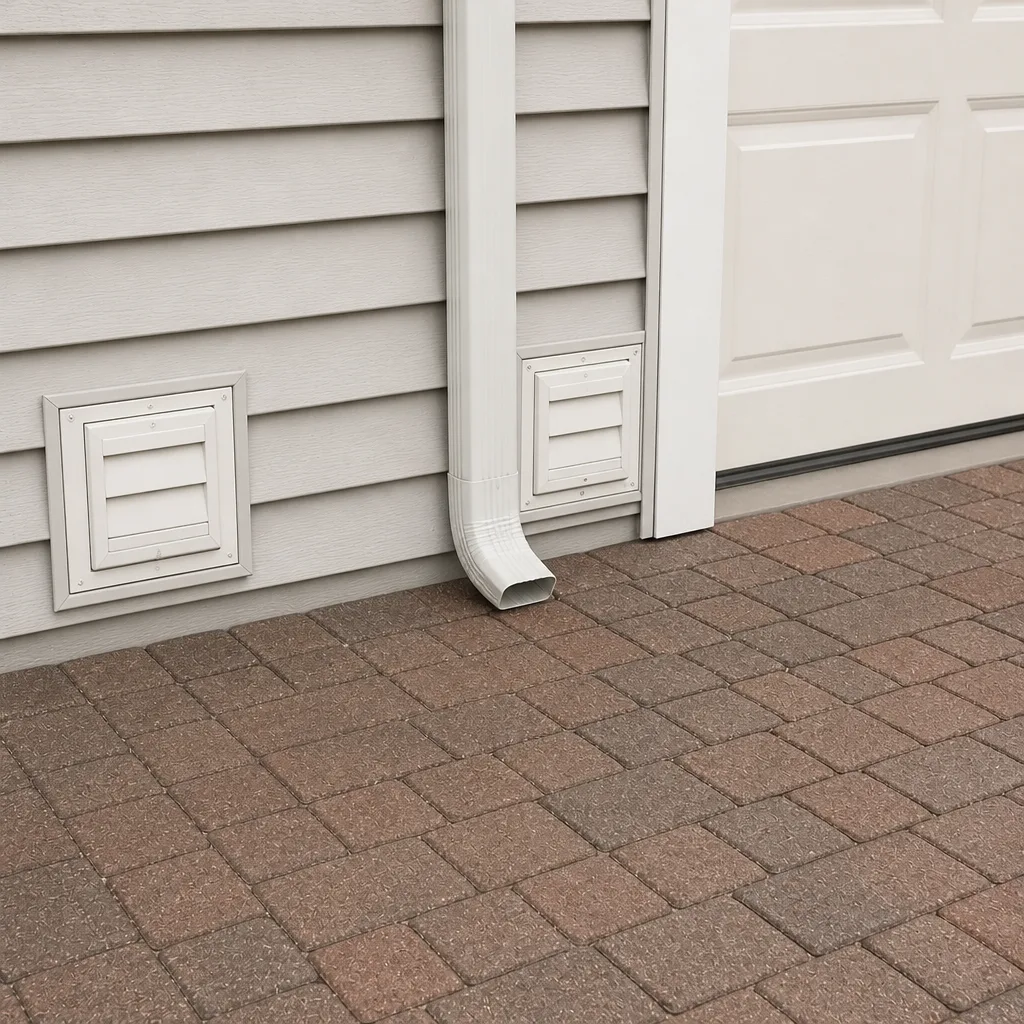
Whole-system duct and dryer vent check with before-and-after photos - you see exactly what came out of your vents
That "$99 whole-house special" is a bait ad - the real number appears once they are in your hallway, or the "clean" is a shop-vac at the register. We photograph the inside of your ducts before and after instead.
Air Duct Cleaning Emergency Preparedness Guide for Highbridge Homes
Most people think a duct problem announces itself with a smell or a bill. In our experience, the ones that matter most don’t. They follow an event: a kitchen fire, a burst pipe, a rodent sighting under the sink, a contractor finishing a gut renovation. Here’s the part that surprises Highbridge homeowners. After a fire, the smoke particles that settle inside a duct system are oily and sub-micron, and standard rotary brush cleaning will smear them across the sheet metal instead of lifting them out. That mistake bakes the odor into the duct permanently. Each emergency type needs its own protocol, and this guide covers all four.
Quick Answer
Emergency duct cleaning in Highbridge falls into four distinct categories, each with its own response: post-fire smoke and soot removal, flood response for wet return air chases, rodent contamination remediation, and post-construction fine-particle cleanup. A standard rotary brush appointment is the wrong tool for three of those four. Getting the correct protocol started inside the right window – often within 48 hours for water and immediately for fire – is what separates a recoverable system from one that needs replacement.
Styles & brands we work with
- Whole-home duct cleaning
- Dryer vent cleaning
- Camera inspection
- Sanitizing & deodorizing
Table of Contents
- Post-Fire Duct Response: The Protocol That Actually Removes Smoke
- Flood and Water Damage: The 48-Hour Window
- Rodent Contamination: Why This Isn’t a Cleaning Job
- Post-Construction Cleanup: Drywall Dust Is Abrasive
- What to Document for Your Insurance Claim
- Equipment That Separates a Real Response From a Shop-Vac
- Common Mistakes to Avoid
- When to Call a Professional
Post-Fire Duct Response: The Protocol That Actually Removes Smoke
The first thing that needs to happen after any fire is counterintuitive: the HVAC system has to be shut down and locked out before restoration crews start moving air. We’ve seen well-meaning contractors open windows and run fans with the air handler still live, which pulls smoke deeper into the return system and deposits oily soot on surfaces that were clean an hour earlier. Lockout means the breaker is off, the thermostat is disabled, and nobody touches it until the duct work is addressed.
Smoke residue is not the same as dust. Combustion produces fine particles and oily compounds that cling to galvanized steel and fiberglass duct liner. A standard rotary brush spins these compounds into a paste and redistributes them. The proper sequence looks like this:
- Containment and HEPA extraction. Negative pressure is established so loosened contaminants are captured, not released into the living space. Abatement Technologies air-filtration units are built for this class of work.
- Mechanical agitation of the full pathway. Rotobrush or Nikro equipment reaches the branches and trunks, not just the registers.
- Thermal fogging. A fogging agent is introduced into the sealed system to penetrate the porous surfaces where smoke odor lives – duct liner, seams, and the plenum. This is what a surface wipe cannot do.
- Verification. Before the system is reopened, the duct interior is inspected and the odor is checked at the registers.
- Filtration and sealing review. A smoke-damaged system often reveals gaps that should have been sealed all along. Repair and sealing closes that loop. We clean the system, then we seal it, because a leaky duct undoes everything.
If a fire happened in a Highbridge building shared with other units, coordinate with the property manager before any locks are released. Smoke travels through shared chases and party walls, and a system that reads clean in one apartment can be contaminated two floors over.
Flood and Water Damage: The 48-Hour Window
Water in a duct system is a different emergency entirely, and the timeline is tighter than most people expect. Mold colonization becomes probable within 48 hours of sustained moisture in a duct assembly. That window is not a suggestion; it’s the reason a wet return chase should be treated as active damage, not deferred maintenance.
The first question a technician answers is whether the insulation is saturated or merely surface-wet. That distinction changes everything:
- Surface-wet liner can often be dried in place with high-volume air movement and dehumidification, then cleaned once moisture readings return to ambient.
- Saturated insulation – liner that holds water against the sheet metal – usually cannot be salvaged. Wet fiberglass loses its structure and becomes a growth medium. In most cases the affected section comes out.
- Wet return air chases in older Highbridge buildings are the highest-risk scenario. Returns are often the path of least resistance for water running down shared walls and settling at the lowest point.
Once moisture is under control, the duct work is cleaned, inspected for visible growth, and – where needed – sanitized. We use Guardsman-grade protective products in the sanitizing step, which is the same standard of care applied in commercial environments. If the system shows mold amplification, a full remediation scope with Abatement Technologies filtration follows.
Do not run the air handler to “dry things out.” Running a wet system distributes mold spores through every room it serves. The system stays off until a professional confirms it’s dry.
Rodent Contamination: Why This Isn’t a Cleaning Job
Rodent contamination is the emergency that most often gets mishandled, because it looks like a cleaning problem and isn’t. Rodent urine and droppings carry hantavirus and other pathogens. Disturbing dried droppings without proper personal protective equipment and respiratory protection can aerosolize infectious particles. This is a health and safety protocol first, a duct cleaning second.
There’s also a legal dimension. In many jurisdictions, technicians handling this class of contamination need specific training and certification before they can legally perform the work. A general duct-cleaning crew without that training shouldn’t be opening your registers – and a responsible operator will say so rather than take the job.
The correct response sequence in Highbridge homes looks like this:
- Seal off the affected branch. Close registers and contain the duct run so contamination isn’t pulled into the occupied space by the air handler.
- Inspect the full pathway. Rodents use ducts as highways. Entry points, nesting material, and contamination spread far beyond the first visible sign.
- Remove and dispose of contaminated material. Nesting debris and heavily soiled insulation come out under containment.
- Clean with HEPA-class extraction and appropriate PPE. Negative pressure containment and respirators, not dust masks.
- Sanitize and verify. After cleaning, the pathway is treated and inspected.
- Close the entry points. Cleaning a system rodents can re-enter is a temporary fix. Perimeter and penetration sealing completes the job.
Bringing the right air duct cleaning capability to this work matters, but it’s the protocol that protects you. Ask any contractor about their contamination handling training before they start.
Post-Construction Cleanup: Drywall Dust Is Abrasive
Renovation cleanup is the emergency that doesn’t feel like an emergency, which is exactly why it gets underestimated. Drywall dust is abrasive. It’s also fine enough to pass through standard filters and settle into the blower motor, the evaporator coil, and the return plenum. Over time, that grit wears bearings and coats heat-exchange surfaces, and the system’s efficiency drops before anyone notices a symptom.
A typical renovation generates more fine particulate than normal operation ever will. After the finish work is done, Highbridge homeowners are usually looking at a layer of drywall dust in every duct when they remove a register to paint. Standard vacuuming won’t remove it, and neither will running the system with the fan on.
The key distinctions in post-construction cleanup:
- Fine particle contamination requires HEPA-class extraction. A shop-vac setup or consumer-grade vacuum redistributes drywall dust into the air you’re breathing. Rotobrush and Nikro equipment paired with HEPA filtration collects it at the source.
- Drywall dust vs. general debris. Drywall dust needs extraction and airflow verification. Sawdust, insulation scraps, and tile dust need removal plus a full pathway inspection. They are not the same cleanup.
- Protect the air handler. While construction is ongoing, sealing registers and covering return grilles limits what gets into the system in the first place. After work is complete, a full HVAC cleaning addresses the unit itself.
If filtration was undersized before the renovation, this is the natural moment to upgrade it. We stock and service Honeywell and Aprilaire air-quality products, which means the same visit that cleans the system can install a higher MERV filter or add humidity control where the building needs it. One call covers cleaning, repair, and air-quality upgrades – no second vendor needed.
What to Document for Your Insurance Claim
Insurance claims for air-quality and duct damage live and die on documentation, and the window to collect it closes fast. In our experience, the homeowner who photographs before a crew touches anything has a substantially easier claim than the one who cleans up first and tries to reconstruct later.
Gather these documents immediately after any of the four emergency types:
- Photos and video of the damaged area before cleaning. Registers, duct interiors visible through openings, the affected rooms, and any visible contamination. Date and timestamp where your device allows it.
- Air quality readings if available. If a restoration contractor takes particle or moisture readings, save them. These establish the condition of the system before remediation.
- A written scope of work from the remediation contractor. This should describe containment, equipment used, and the specific protocol applied. A one-line invoice that says “duct cleaning” rarely satisfies an adjuster.
- The pre-loss condition of the system. Any prior documentation helps show that cleaning wasn’t routine and that the need resulted from the event.
- The fire department report or water damage report, if applicable. These anchor the timeline.
We can work with your insurer on documentation of the work completed, but the photos and scope of work are what establish the claim. Take them yourself even if a professional is documenting, because it costs minutes and prevents disputes. If you’re in a shared Highbridge building, coordinate with your property manager so unit-level and building-level claims don’t contradict each other.
Equipment That Separates a Real Response From a Shop-Vac
The equipment on the job tells you a lot about what kind of operation is on the way. Standard duct cleaning is a shop-vac and a spinning brush pushed up a register. Emergency response is a different toolset, and it’s worth knowing what you’re paying for.
Professional-grade Rotobrush and Nikro systems are the same equipment trusted in commercial HVAC work. They reach the trunk lines and branch runs, not just the register throat. Abatement Technologies air-filtration equipment is what allows a crew to handle contaminant-level work – mold spores, allergens, and fine particulate – without spreading them into your living space. Guardsman-grade products in the sanitizing step mean the cleaning finishes with a protective, not just an aggressive, treatment.
The full-pathway approach is the other differentiator. A single vendor who can inspect, clean, repair, seal, and sanitize in one engagement avoids the classic problem: the cleaner finds a leak, the repair person is a different company, and the sealing gets scheduled for “next quarter” while dirty air moves through the gap. Our full-service structure covers cleaning, dryer vent cleaning, full HVAC cleaning, duct repair and sealing, and air-quality sanitizing under one call. Our technicians have up to 14 years of experience with this equipment, and they’ll show you what they found before they start and after they finish.
Common Mistakes to Avoid
- Running the system after a fire or flood. Moving air through a contaminated or wet system spreads the problem through every room. Lock out the breaker and leave it off until a technician clears it.
- Accepting the lowest bid on contamination work. A $99 cleaning cannot include HEPA extraction and negative pressure containment. When the protocol is real, so is the price.
- Waiting on water damage. The 48-hour mold window is real. Most Highbridge homeowners find out the hard way that a wet return chase doesn’t dry on its own.
- Skipping the entry-point seal after rodent contamination. Cleaning a system rodents can re-enter solves the symptom, not the cause. Duct repair and sealing is what ends the cycle.
- Cleaning after renovation instead of during. Sealing registers during construction is cheap. Cleaning abrasive drywall dust out of a blower motor later is not.
- Not photographing before the crew arrives. Once the work is done, documentation of the pre-loss condition is gone. Take photos and video first.
- Assuming your building’s shared chases are unaffected. In multi-unit Highbridge buildings, smoke and dust travel. Coordinate with neighbors and the property manager before assuming a single unit is the full scope.
When to Call a Professional
Some duct problems are maintenance. Some are emergencies, and the difference is timing. Call a professional if any of the following is true: there’s been a fire or smoke event and the system hasn’t been locked out; water has entered the ductwork or a return chase and the system is still running; you’ve found rodent evidence near registers or under sinks; a renovation just finished and the system ran during construction; or you’re seeing visible growth inside a vent after a water event. Each of these is a protocol question, not a price question.
Air Duct Cleaning Highbridge offers free estimates in Highbridge. Call (888) 219-1385. We answer 24/7. Fast dispatch from 7am to 7pm, Sunday through Friday. The estimate is free, and the price is set per job by the written estimate – one flat price per system, agreed before work starts.
See the difference
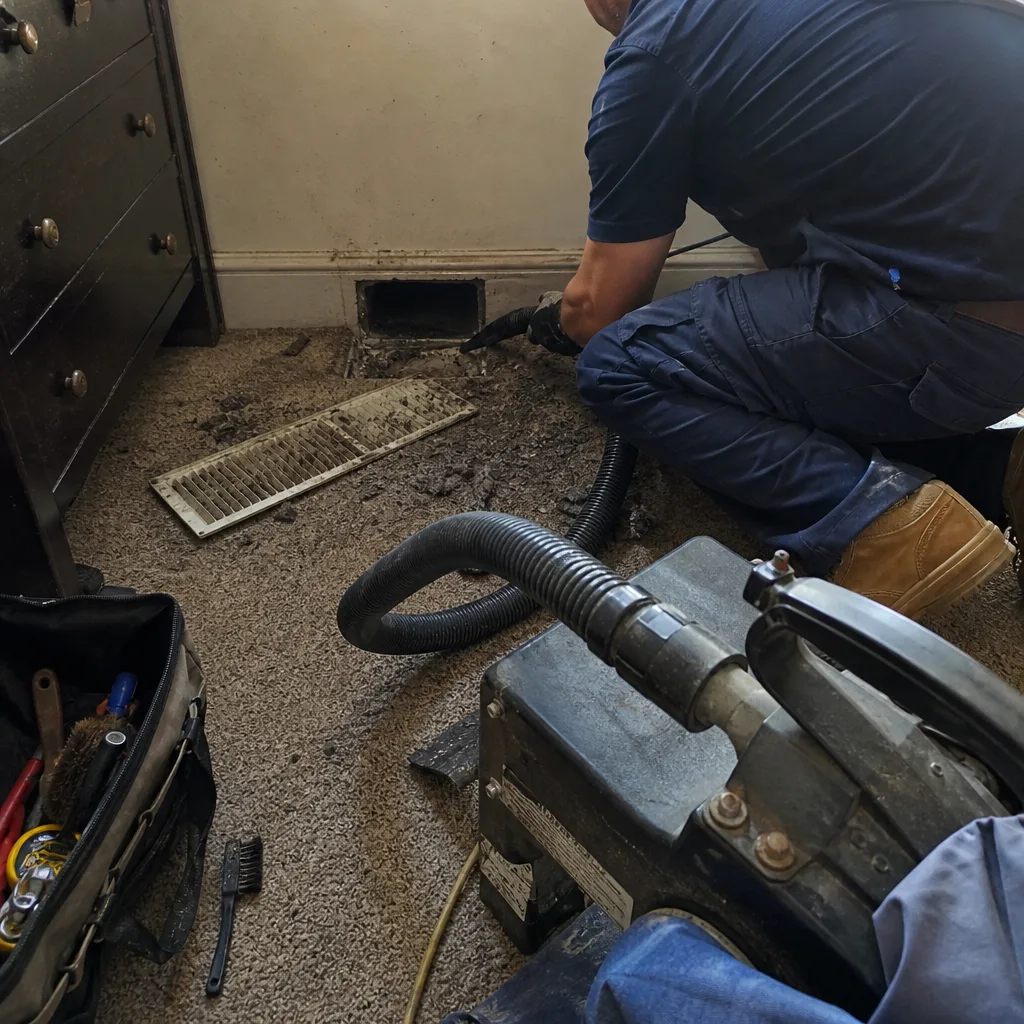 Before
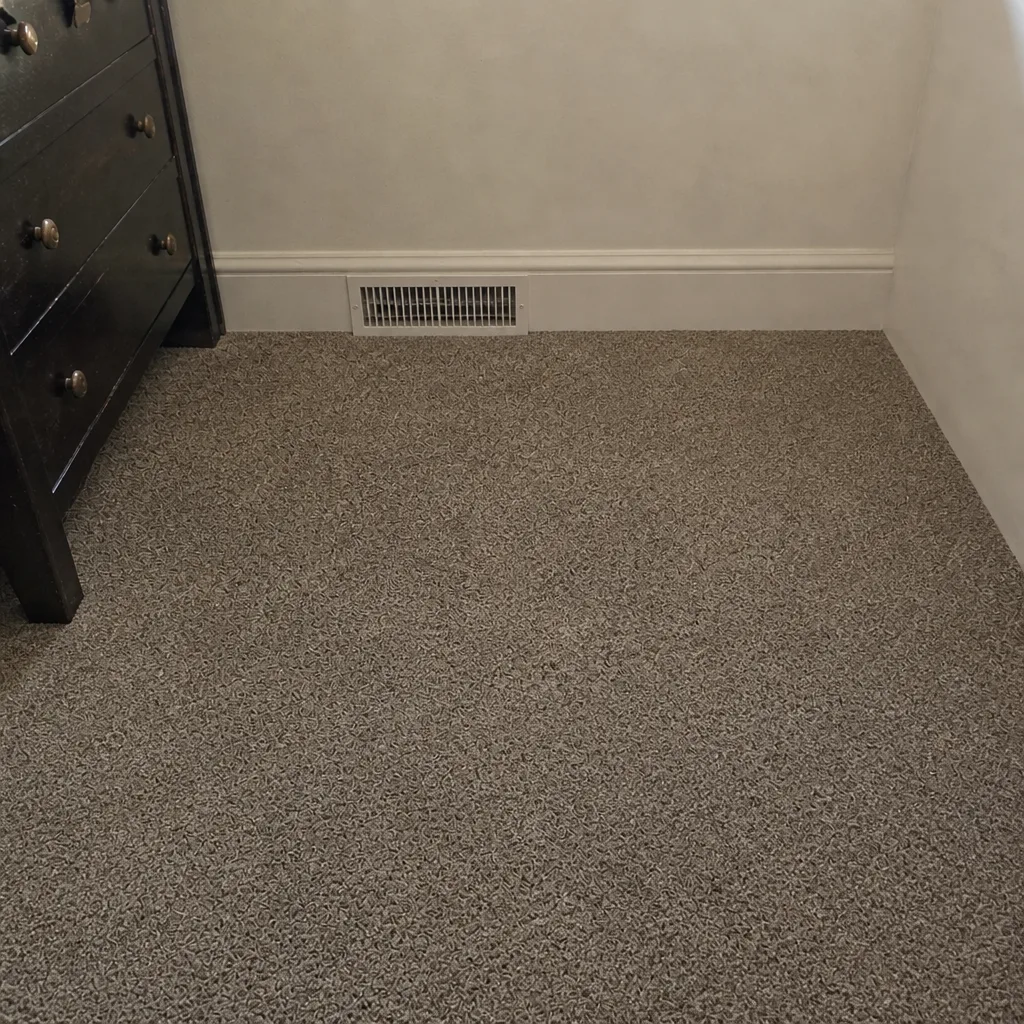 After
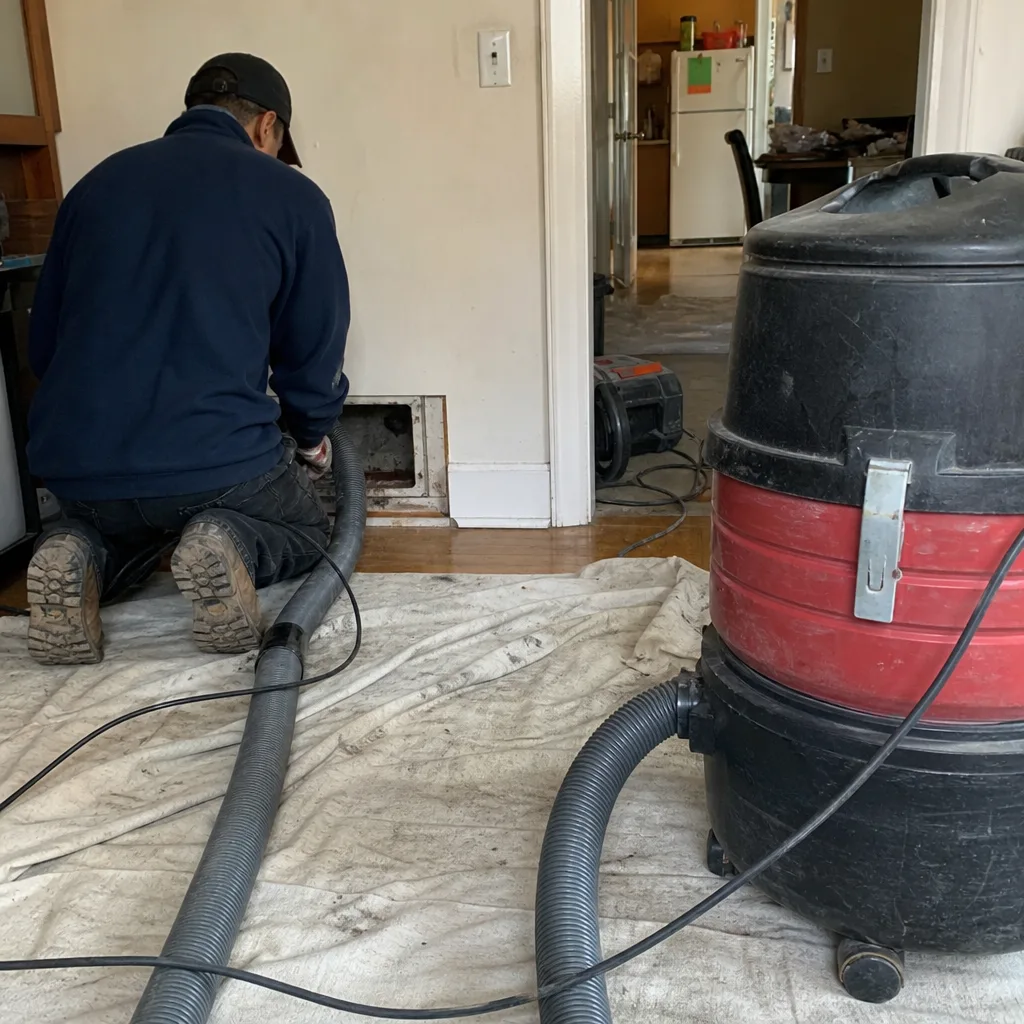 Before
 After
 Before
 After
Frequently Asked Questions
We don’t publish blanket prices because emergency work varies so much by scenario: a post-fire cleaning that needs thermal fogging and HEPA extraction is a different scope than a post-construction cleanup, and rodent remediation is different again. The estimate is free, and the price is set per job by the written estimate. Call (888) 219-1385 for an exact quote – estimates are free.
Because they’re for something different. A low quote almost always means a rotary brush and a shop-vac, with no HEPA extraction, no containment, no thermal fogging, and no documentation. On a post-fire or rodent job, that approach can make the problem worse by spreading contaminants. Our pricing is per system, not per vent, so you know exactly what you’re paying before we start.
You see it. We show you before-and-after photos of your own ducts, taken at the same points so the change is visible, and we walk you through what we found before we begin. If the scope included repair or sealing, the sealed sections are documented as well.
Routine duct cleaning is generally every few years for most homes, unless you have pets, allergies, recent renovation, or a heating system with higher dust load. Emergency cleaning is separate and follows events, not a calendar. The four triggers in this guide – fire, water, rodent, construction – reset the clock each time they happen.
Yes, with the right scope. Water damage that shows visible growth moves into remediation territory: HEPA extraction, containment, cleaning, and sanitizing with Guardsman-grade products. If the internal insulation is saturated, sections usually need to come out rather than being cleaned in place.
Often yes, if the response is correct and prompt. The key is thermal fogging to penetrate the porous liner and seams where odor compounds live, combined with HEPA extraction. Surface-only cleaning won’t remove the source. If the system is heavily damaged or the ducts are accessible fiberglass, replacement of the affected sections can be the better answer, and the written estimate will say so.
The Bottom Line
Emergency duct work in Highbridge breaks into four distinct protocols, and none of them is a standard cleaning appointment. Post-fire needs lockout, HEPA extraction, and thermal fogging. Flood damage needs assessment inside the 48-hour mold window. Rodent contamination needs trained hands and proper PPE, not a rotary brush. Post-construction cleanup needs HEPA-class extraction for abrasive drywall dust. Document everything before a crew touches the system, and choose the contractor on protocol, not price. That’s what separates a recoverable system from a replacement.
Air Duct Cleaning Highbridge handles all five service categories – cleaning, dryer-vent safety, full HVAC cleaning, duct repair and sealing, and air sanitizing – with professional-grade equipment and one team. Learn more on our Air Duct Cleaning Highbridge page, or call (888) 219-1385. We answer 24/7. Fast dispatch from 7am to 7pm, Sunday through Friday. The estimate is free, and we’ll show you what we found.
Written by the team at Air Duct Cleaning Highbridge.