
Last updated November 22, 2026
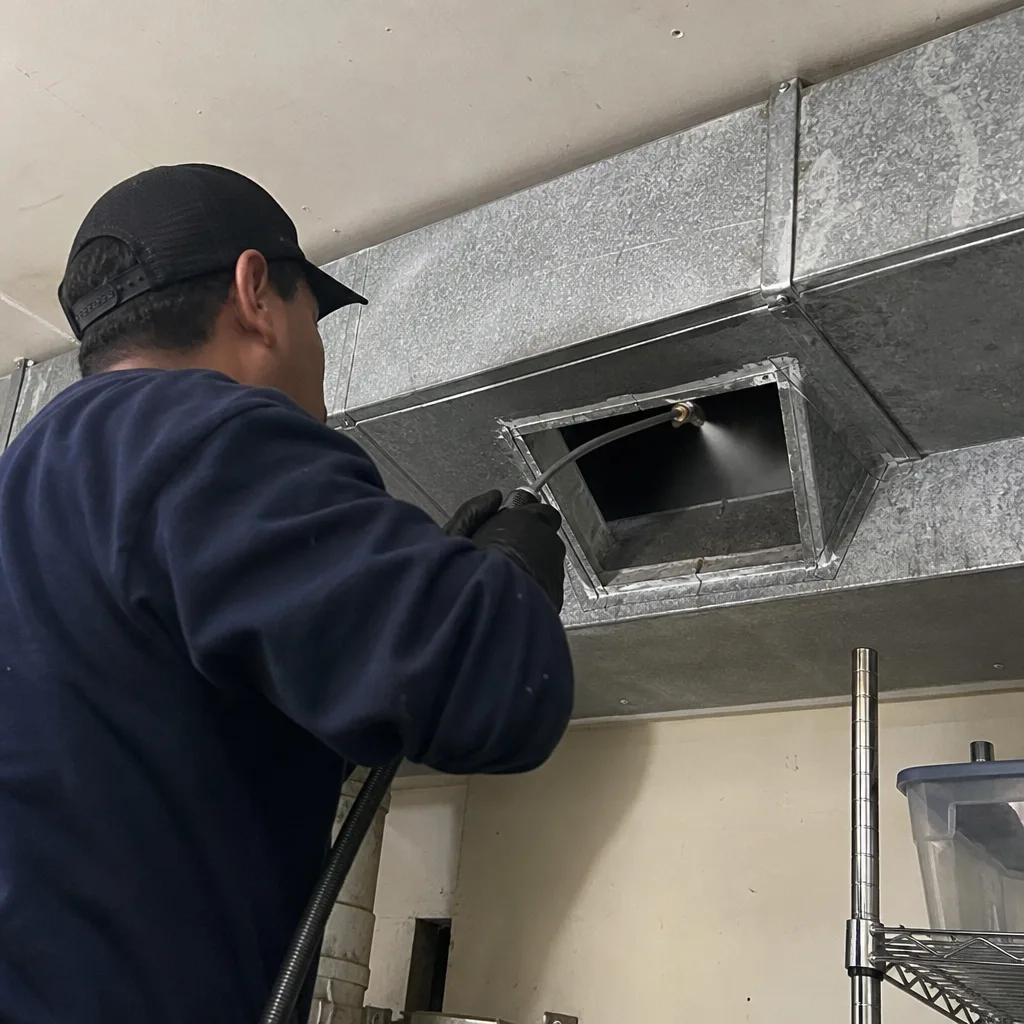
 Whole-home duct cleaning
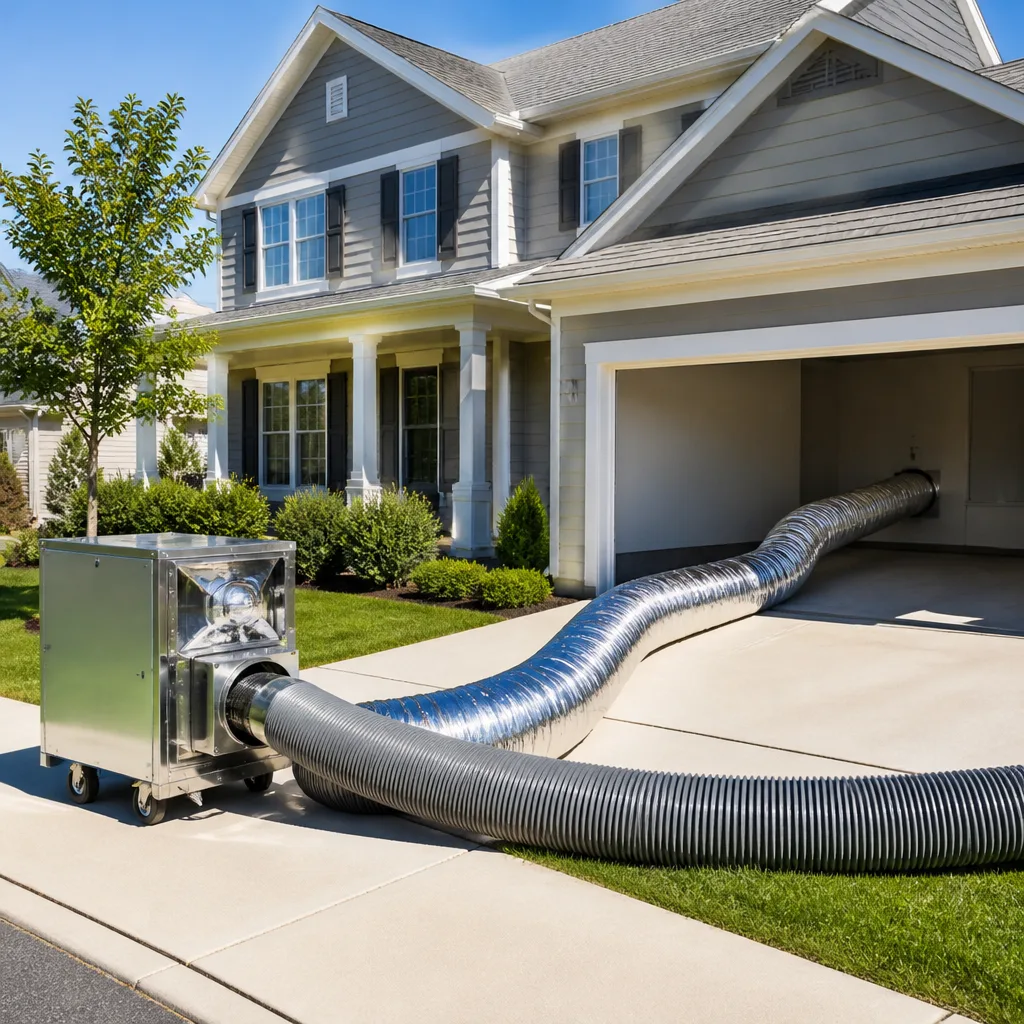
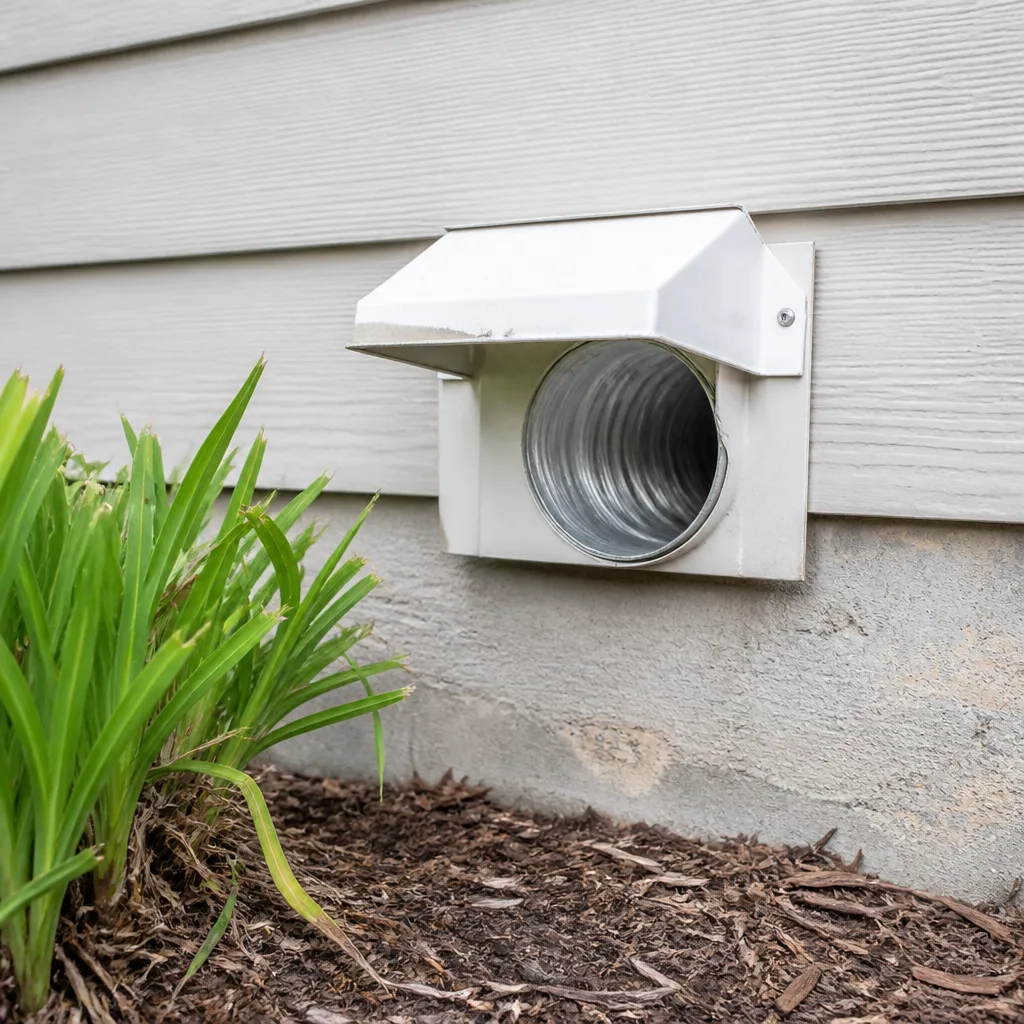 Dryer vent cleaning
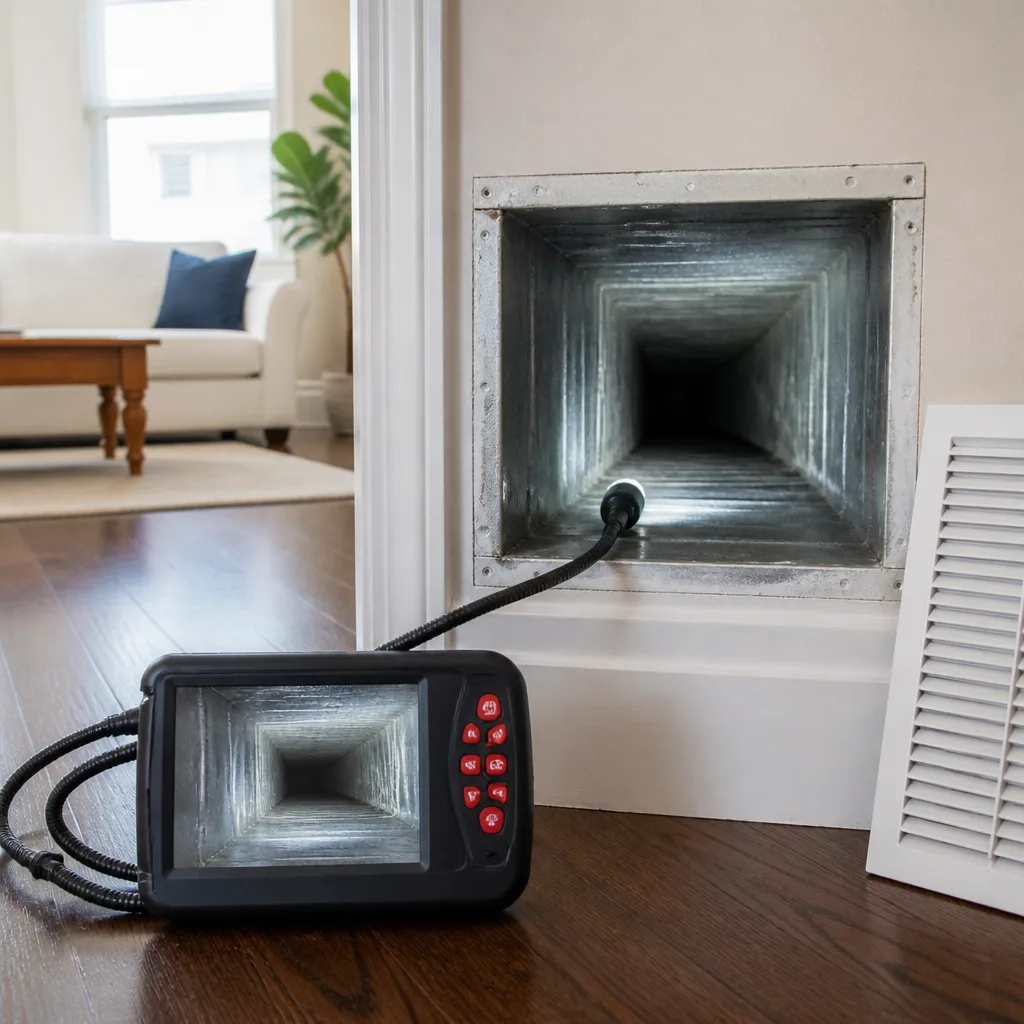 Camera inspection
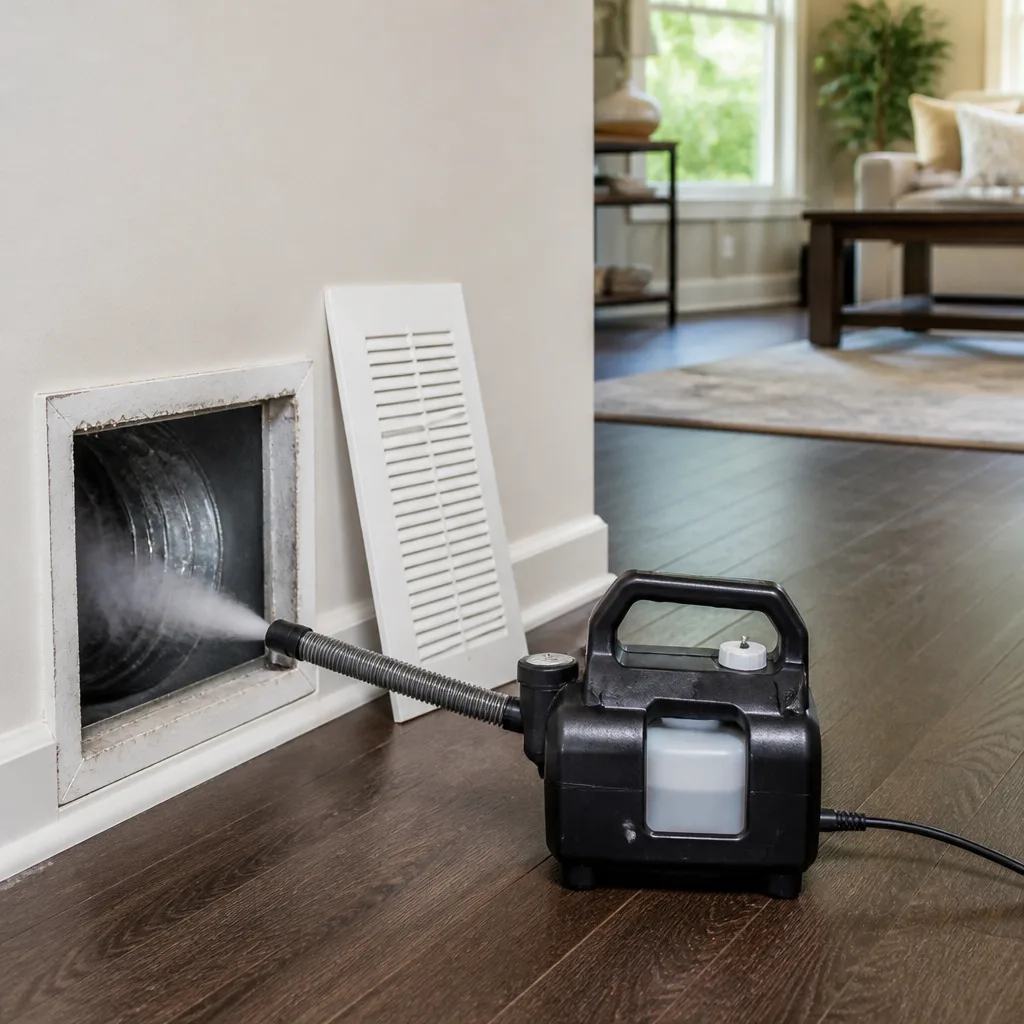 Sanitizing & deodorizing
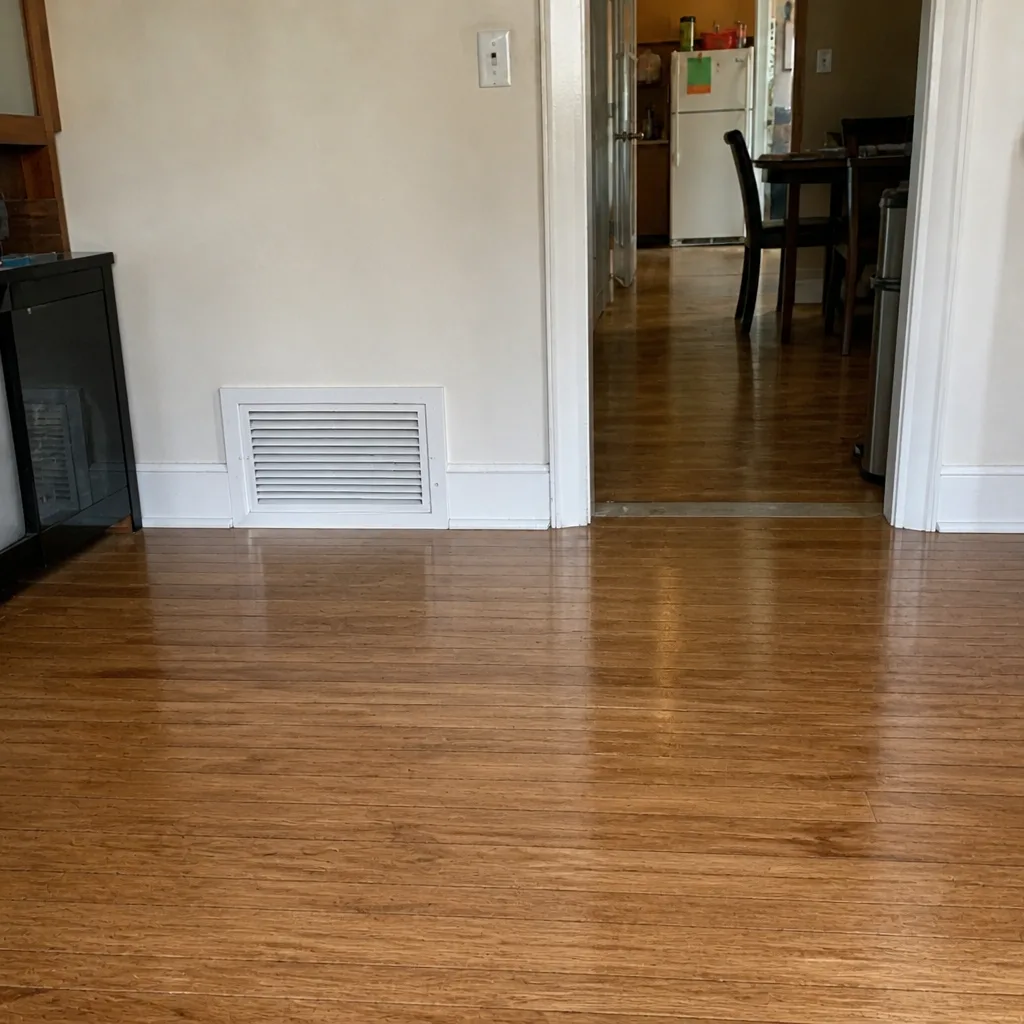
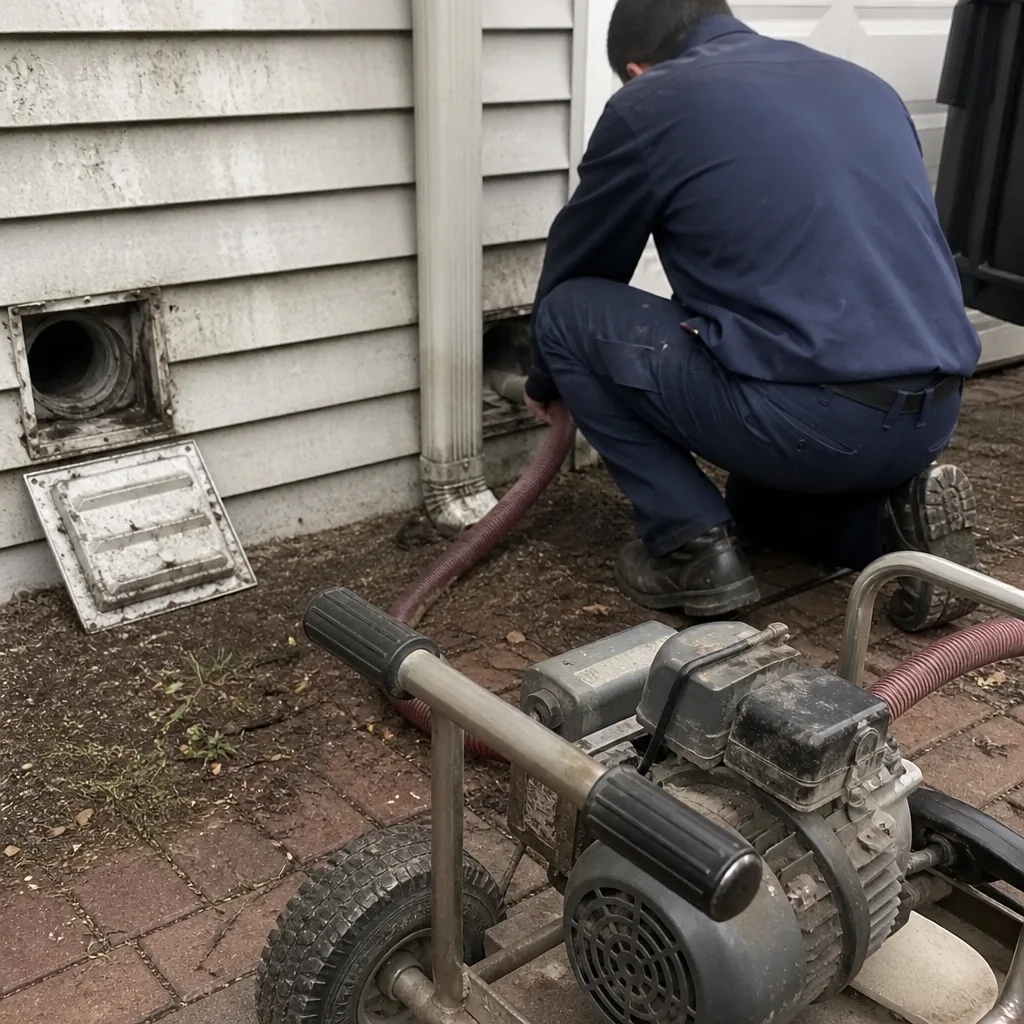
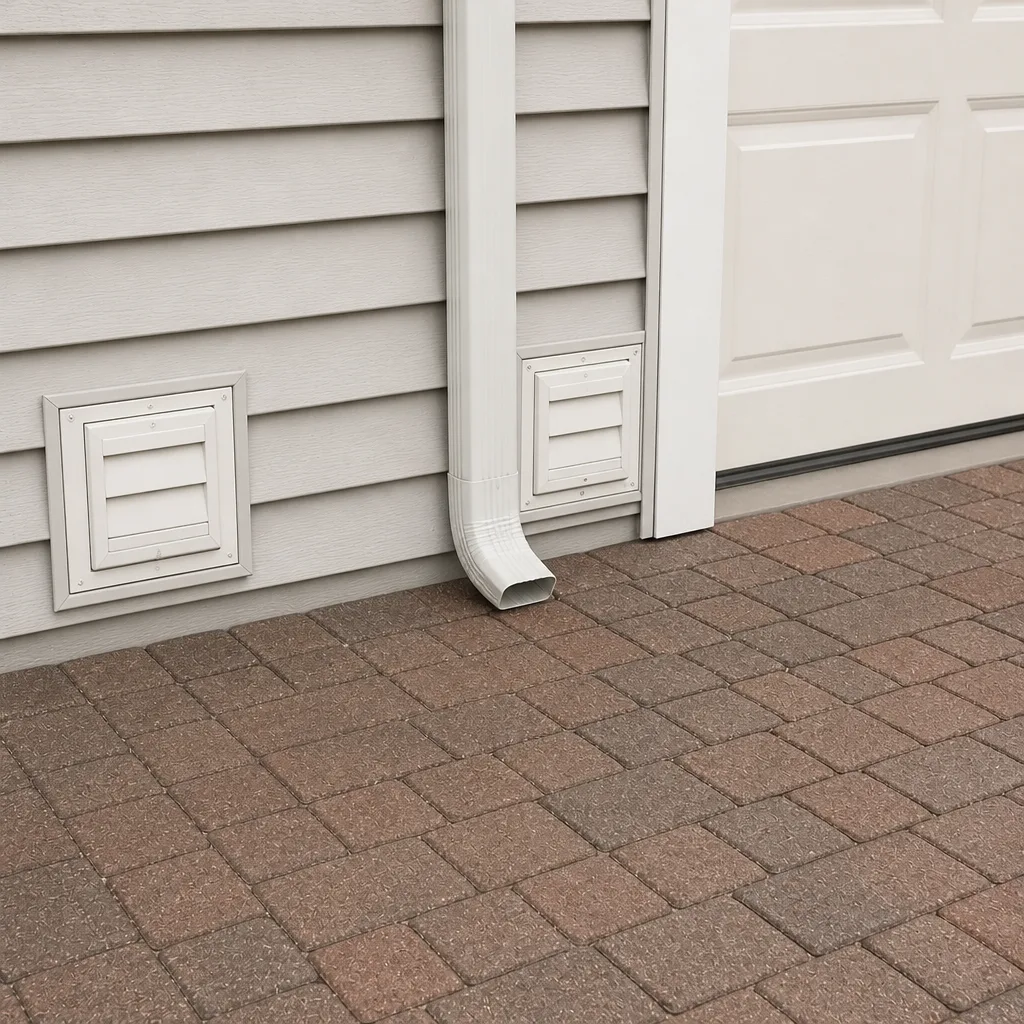
Whole-system duct and dryer vent check with before-and-after photos - you see exactly what came out of your vents
That "$99 whole-house special" is a bait ad - the real number appears once they are in your hallway, or the "clean" is a shop-vac at the register. We photograph the inside of your ducts before and after instead.
Air Duct Cleaning Permits, Codes & Inspections in Highbridge, NY: What You Need to Know
Here’s a distinction that trips up a lot of homeowners in Highbridge: cleaning your ducts is not a permitted activity, but modifying them very often is. A crew that vacuums out a trunk line and reseals the boots it opened is doing maintenance. A crew that saws a new access panel into sheet metal, replaces a run of flex duct, or drops a UV-C purifier inside the air handler is doing mechanical work that New York City and Bronx County rules treat differently. The line between those two jobs is where liability lives, especially when a building changes hands and an inspector starts asking who installed what. This guide walks through the NYC Mechanical Code sections that matter, when a cleaning crosses into licensed mechanical territory, how Bronx Community Board 4 and the DOB fit in, the lead paint rules under Local Law 1, and how to get a certificate of compliance that your insurer will actually want to see.
Quick Answer
Routine air duct cleaning in Highbridge, NY does not require a permit, because cleaning and sanitizing an existing system is maintenance under the NYC Mechanical Code. Cutting new access panels, replacing duct sections, or installing UV and electronic filtration equipment inside the air handler generally does require licensed mechanical contractor work and filed permits in New York City. Disturbing duct systems in pre-1978 buildings also triggers lead paint testing and notification under NYC Local Law 1, and you should always ask for a certificate of compliance when work is done.
Styles & brands we work with
- Whole-home duct cleaning
- Dryer vent cleaning
- Camera inspection
- Sanitizing & deodorizing
Table of Contents
- Does air duct cleaning require a permit in Highbridge?
- The NYC Mechanical Code sections that draw the line
- When a cleaning job becomes licensed mechanical work
- How Bronx Community Board 4 and NYC DOB inspections interact with HVAC work
- Lead paint rules under Local Law 1 in pre-1978 Highbridge buildings
- How to request a certificate of compliance
- Why the paperwork matters for homeowner’s insurance
- What a duct inspection actually looks like on the day
Does air duct cleaning require a permit in Highbridge?
No, plain air duct cleaning in Highbridge does not require a permit. Vacuuming, mechanical brushing, sanitizing, and dryer-vent clearing are all maintenance activities performed on a system that already exists and already passed whatever inspection it needed when it went in. The NYC Department of Buildings issues permits for construction work defined in the code, not for cleaning. So a crew that arrives with a Rotobrush or Nikro system and pulls a season’s worth of dust out of your return trunks is not filing anything and does not need to.
What changes the answer is scope. The moment the job adds or alters a component of the mechanical system, it stops being maintenance. That includes:
- Cutting a new access door into a sheet metal trunk or plenum
- Replacing a section of flex duct, rigid duct, or a run-out
- Installing a UV-C lamp or an electronic air cleaner inside the air handler
- Adding a powered humidifier or dehumidifier tied into the duct system
- Altering the return air path or changing the size of a duct run
We clean the system, then we seal it, because a leaky duct undoes everything a thorough cleaning does. That sealing work is where the distinction really matters. Re-mastic a joint on a duct that’s already there and you’re still in maintenance territory. Cut a new hole to reach a section you can’t otherwise access and you’ve crossed into an alteration. In Highbridge’s older housing stock, where ductwork often runs through tight ceiling cavities in buildings from the early twentieth century, that crossing happens more than people expect.
For a full rundown of what falls under routine cleaning, see our air duct cleaning service page. For the deeper work that includes the air handler and coils, our HVAC cleaning page covers the scope.
The NYC Mechanical Code sections that draw the line
The NYC Mechanical Code governs the installation, alteration, repair, and maintenance of mechanical systems, and it separates those categories deliberately. Maintenance, which includes cleaning, is handled under the maintenance provisions. Alteration and new installation fall under the permit and licensing provisions. The code’s own definitions are what decide which set of rules applies to a given job: an alteration is a change to the system, while maintenance is work that keeps it functioning as designed.
Three things matter most here for Highbridge homeowners:
- Scope of the permit. The permit requirement attaches to alterations of the mechanical system, not to cleaning. A cleaning-only visit does not trigger a permit application.
- Licensing of the trade. Work that alters a mechanical system must be done by a licensed mechanical contractor, and in New York City the contractor files the permit. A cleaning tech who is not licensed to do mechanical work should not be cutting access panels or installing equipment inside the air handler.
- Inspection of permitted work. Permitted alteration is inspected. Cleaning is not. That’s a meaningful difference when you’re selling a home and a buyer’s inspector is poking around the mechanical closet.
Because the code language is what a DOB plan examiner will use to decide whether a job needed a permit, the practical rule for a homeowner is straightforward. If the technician is cutting, adding, or replacing, ask who is licensed and whether a permit is being filed. If the technician is cleaning, sanitizing, or resealing, that’s maintenance and no permit applies. When in doubt, ask the contractor to state in writing which category the work falls into and why.
When a cleaning job becomes licensed mechanical work
The clearest way to decide whether your job is licensed mechanical work is to look at what the technician’s hands are actually doing. Cleaning tools go into an existing system. Mechanical work changes the system. Some jobs start as one and become the other midway through, and that transition is exactly where homeowners get surprised.
Cutting an access door into sheet metal is the most common example. Sheet metal trunks often have no service opening at the far end, so a thorough cleaning requires one. But cutting that opening is an alteration. In our experience, the cleanest route on a job like this is to have the access door cut and framed by a licensed mechanical contractor with a permit, then we come in and do the cleaning. If a cleaning company tells you they’ll just cut a hole and patch it later, that’s a red flag. Patching sheet metal properly is mastic work, not tape, and it holds up to the air pressure the system pushes through it.
Replacing flex duct sections sits in the same category. Flex duct in a Highbridge apartment or house often runs behind soffits and above dropped ceilings, and it can sag, tear, or collect so much debris that cleaning won’t fix it. Swapping a run is mechanical work. Sealing it with mastic after cleaning is not.
Installing a UV-C air purifier or an electronic air cleaner is the third common crossing point. These go inside or on the air handler and affect the system’s operation. In a New York City residential building, an unpermitted install of an in-duct UV-C purifier is a code violation that can surface during a sale, and the seller, not the contractor who installed it, typically bears the liability. That’s the part people don’t anticipate. We supply and install Honeywell and Aprilaire air-quality products, including filtration, purification, and humidity control, and when a permitted installation is required we work alongside a licensed mechanical contractor who files the paperwork. One call still covers cleaning, repair, and air-quality upgrades, but the paperwork trail stays clean.
How Bronx Community Board 4 and NYC DOB inspections interact with HVAC work
Bronx Community Board 4 covers Highbridge and the surrounding neighborhoods, and while community boards don’t issue HVAC permits themselves, they do weigh in on land use, building applications, and neighborhood-level complaints. The actual permitting authority is the NYC Department of Buildings, which reviews applications, issues permits, and sends inspectors to verify that permitted work matches the approved plans.
The interaction plays out differently depending on building type:
- Single-family and two-family Highbridge homes. The homeowner files the permit through a licensed contractor, and DOB inspects the alteration. It’s a direct line between the homeowner, the contractor, and the agency.
- Multi-family buildings. The building owner or managing agent files. Any HVAC alteration affects a shared system, so the work is reviewed at the building level, and the inspection may involve access to multiple units. Board 4 has a say when a project touches zoning or the building’s certificate of occupancy.
- Co-ops and condos. The building’s managing agent has to sign off before a shareholder or unit owner alters ductwork, and that sign-off usually includes a requirement that the contractor carry proper insurance and provide documentation after the job.
Something worth understanding: complaints filed with the DOB about HVAC work usually originate from a neighbor or a buyer’s inspector, not from a routine sweep. That means problems tend to surface at the worst possible moment, during a sale or a refinance. Having your paperwork in order before that moment arrives is the whole point of the exercise.
Lead paint rules under Local Law 1 in pre-1978 Highbridge buildings
NYC Local Law 1 addresses lead-based paint hazards in buildings constructed before 1978, and it applies whenever work disturbs painted surfaces. Duct cleaning can disturb painted surfaces. Removing a grille that’s been painted over, cutting a new access panel into a painted plenum, or scraping mastic off a painted duct joint all qualify. If your Highbridge building went up before 1978, which covers a large share of the neighborhood’s housing stock, this is not a technicality.
The law requires that the owner identify and address lead-based paint hazards, that occupants be notified before work that will disturb painted surfaces begins, and that the work itself be done using safe practices for handling the dust. What that means in practice for a duct cleaning job:
- Confirm the building’s construction year and any existing lead paint records before scheduling the work.
- If the year is before 1978 and no testing record exists, arrange for testing of the surfaces that will be disturbed.
- Notify occupants in writing before work begins, per the law’s notification requirement.
- Use dust-suppression and containment practices during the work, and clean up thoroughly afterward.
We use Abatement Technologies air-filtration equipment on every job, which is designed for environments requiring contaminant control, and Guardsman-grade protective products in the sanitizing step. That equipment matters more than usual in a pre-1978 building where disturbing a painted grille can release dust you cannot see. If your building falls into this category, tell us before the visit so the crew arrives with the right containment on the truck. It’s a straightforward conversation and it protects you as the owner.
How to request a certificate of compliance
A certificate of compliance is the document that shows a permitted job was completed and inspected. Ask for it before the work starts, so you know it’s coming, and again when it’s finished if it hasn’t arrived. The process is not complicated, but it does require the request to happen before the permit is closed out.
- Ask who is filing the permit and under what license number. Note the contractor’s name and license details in your records before work begins.
- Confirm what inspections the permit requires. Some alterations need a rough-in inspection before the ducts are closed up, and a final inspection after.
- Request the signed and approved inspection documents once the job is closed. That’s the certificate of compliance, and it should reference the permit number.
- Store the certificate with your home records. It’s the document a buyer’s attorney or your insurer will ask for.
For a cleaning-only job with no permit involved, there is no certificate of compliance to obtain, but you should still ask for a written summary of what was cleaned, what was found, and any repairs that were made. We show you what we found before we start and after we finish, with photos of your own ducts, so the record exists either way. That habit of documenting before-and-after is the same instinct that makes a certificate of compliance worth chasing on a permitted job.
Why the paperwork matters for homeowner’s insurance
Homeowner’s insurance claims after a duct-related loss, whether it’s a water leak from a humidifier, a fire traced to a dryer vent, or a mold claim from moisture in the ductwork, tend to hinge on whether the work was done properly and documented. An insurer reviewing a claim will want to know what was installed, who installed it, and whether it was permitted. A missing certificate on a system alteration is grounds for the insurer to question coverage on the affected component.
Dryer vent cleaning is worth calling out here because the stakes are higher than most people realize. A clogged dryer vent is a fire hazard, and fires traced to dryer vents are among the more common causes of residential fire loss. We treat dryer vent cleaning as a fire-safety service, not an add-on, and our dryer vent cleaning page explains why the full run, not just the section at the back of the dryer, needs to be cleared. If your insurer asks for documentation of the vent work, keep the written summary with your policy documents.
On the alteration side, ask for the certificate of compliance and file it with your policy paperwork. If an insurer sees that a UV-C installation or a duct replacement was permitted and inspected, that’s a strong signal the work was done to code. If they see no paperwork at all, that’s the sort of thing that turns into a coverage dispute at the worst possible time.
What a duct inspection actually looks like on the day
A duct inspection, whether it’s a pre-purchase look, a post-installation DOB inspection, or a check driven by worsening allergies, follows a recognizable sequence. Knowing what to expect makes the day go smoother and makes it easier to ask the right questions.
- Camera survey. A technician inserts a camera into the trunk and branches to see conditions that aren’t visible from the registers. Debris load, moisture, pest evidence, and disconnected runs all show up here.
- Access review. The technician notes whether the existing access panels are enough for a thorough cleaning. If not, that’s the point where a licensed contractor and a permit enter the conversation.
- Equipment setup. Negative-pressure equipment and air-filtration units go in place. We use Abatement Technologies filtration designed for contaminant control, matched to the conditions the camera found.
- Cleaning and sealing. Mechanical agitation with Rotobrush or Nikro equipment, followed by mastic sealing at the joints and boots. A leaky duct undoes everything, so the seal matters as much as the clean.
- Post-work documentation. Photos of the before and after, a written summary, and, if a permit was filed, the inspection paperwork.
For a DOB inspection of a permitted alteration, the sequence is different: the inspector verifies the installed work against the approved plans, checks that the licensed contractor did the work, and signs off. The homeowner’s role is to make sure someone is available to provide access and to have the permit and plans on hand.
Common Mistakes to Avoid
- Letting an unlicensed crew cut access panels. Sheet metal opening is mechanical work, and doing it without a permit creates a paper trail problem you inherit as the owner. Have a licensed mechanical contractor handle any cutting, with the permit filed.
- Installing a UV-C purifier without a permit. In a New York City residential building, this is a code violation that can surface during a sale, and the liability typically falls on the seller. Confirm the install is permitted before the equipment goes in.
- Cleaning ducts in a pre-1978 building without checking lead paint first. Local Law 1 applies whenever work disturbs painted surfaces, and painted grilles and plenum joints get disturbed on most cleaning jobs in older Highbridge buildings.
- Accepting a verbal “we’ll take care of it” on a permitted job. Ask for the contractor’s license details and the permit number in writing before work begins, and confirm the certificate of compliance is coming.
- Skipping the certificate of compliance after an alteration. It’s the document your insurer will want if a covered loss ever touches the affected system. Chasing it after the permit is closed out is far harder than asking for it up front.
- Treating dryer vent cleaning as optional. A clogged dryer vent is a fire hazard, and the full run needs clearing, not just the section you can reach from the back of the appliance.
- Assuming a cheap quote covers the scope. A low bid that stops at the visible vents and leaves the trunks and branches untouched leaves the contaminant load right where it was, and that re-contaminates a system you just paid to clean.
See the difference
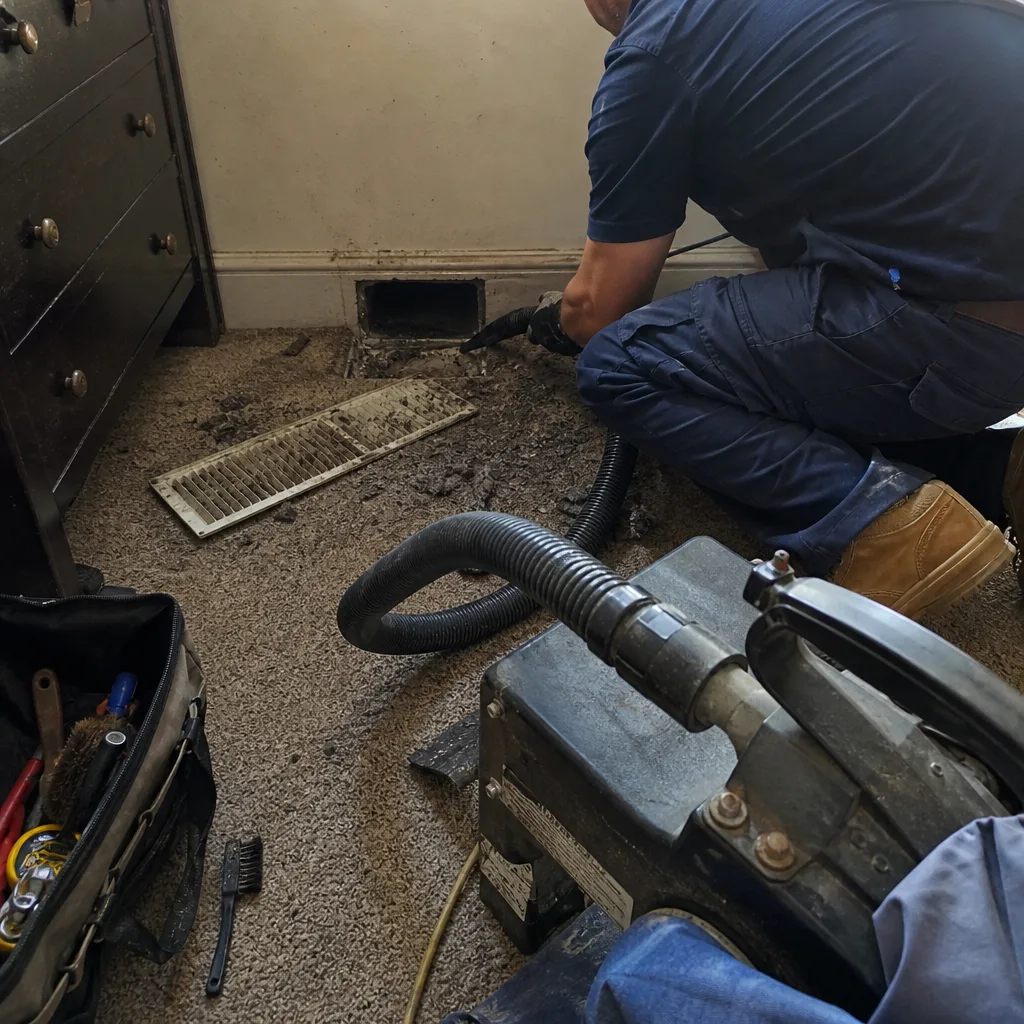 Before
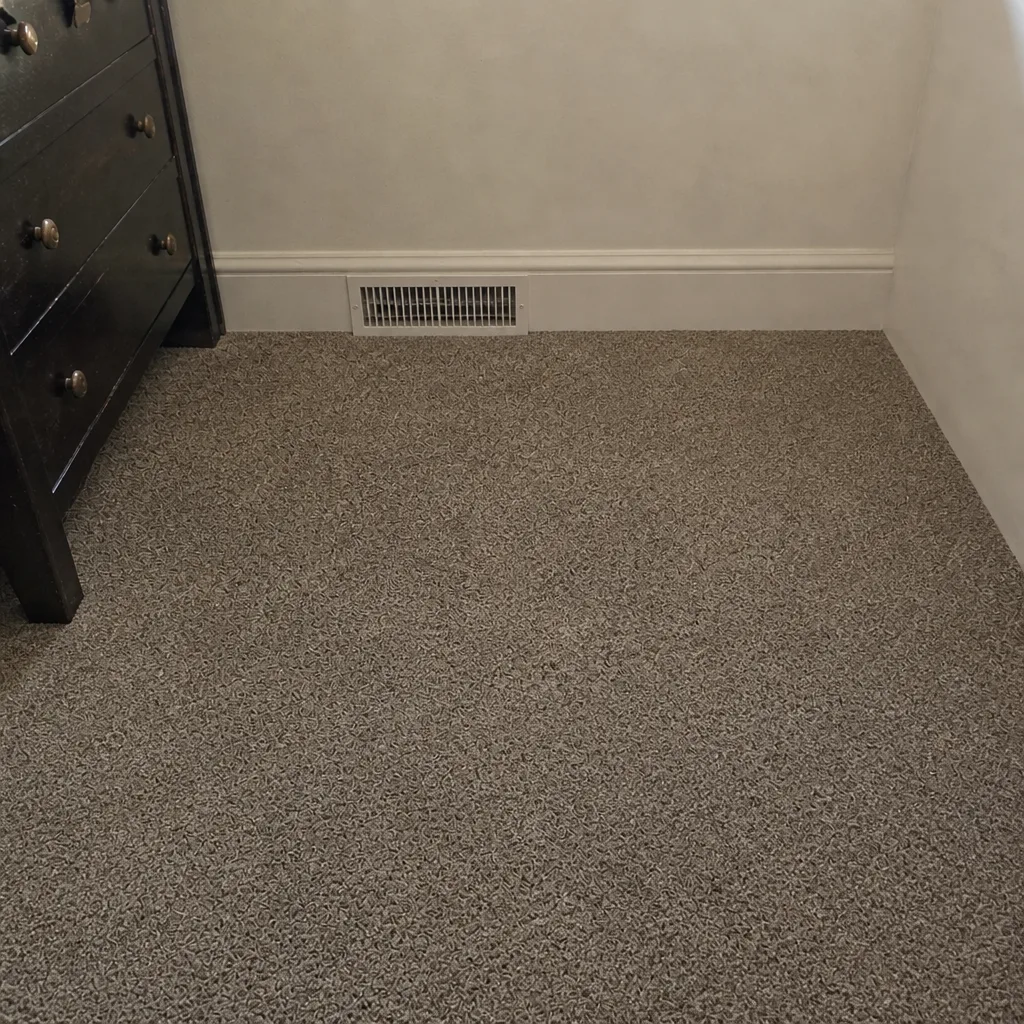 After
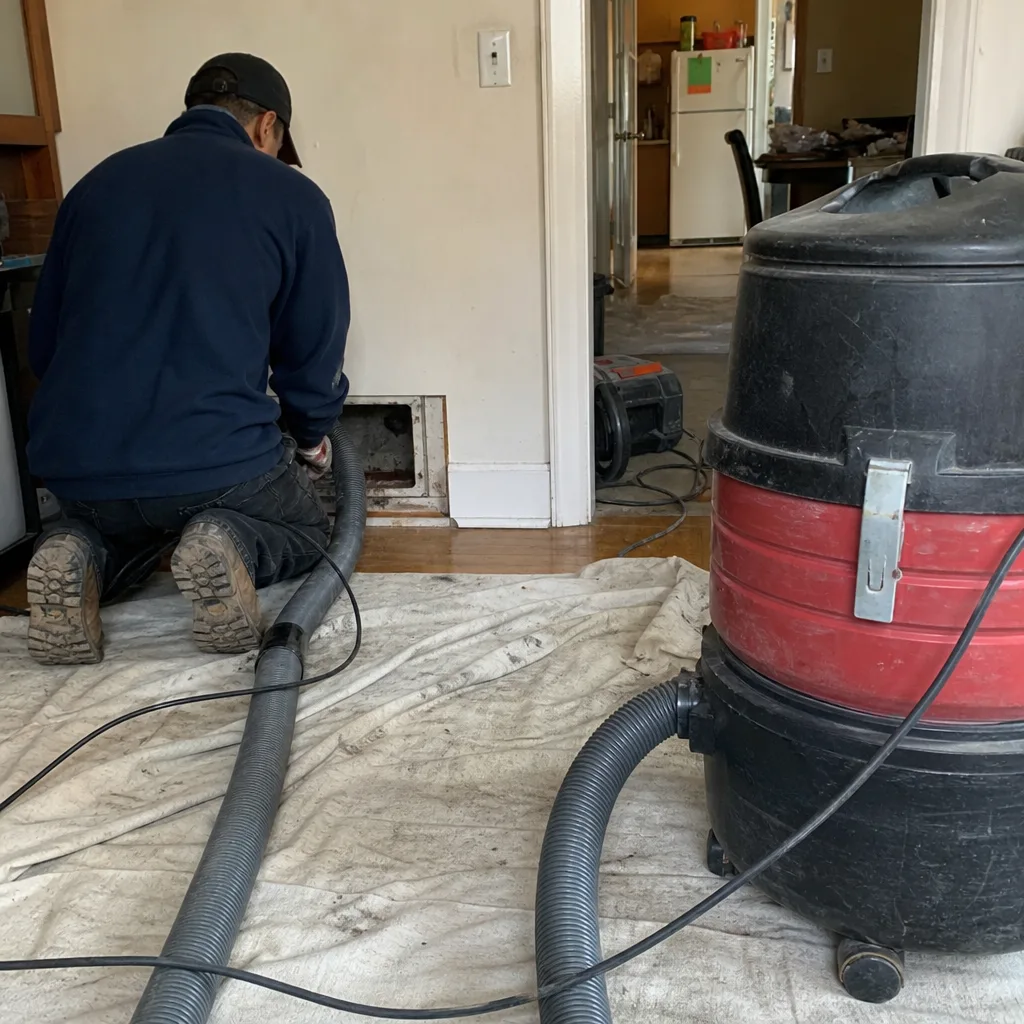 Before
 After
 Before
 After
When to Call a Professional
Call a professional duct specialist when you’re seeing conditions that suggest a deeper problem than surface dust: worsening allergies that track with time spent at home, musty odors that return after cleaning, energy bills that climb while your usage stays steady, visible debris blowing out of registers, or a dryer that takes longer than it used to. Call before you buy a home if the seller’s disclosure doesn’t document when the ductwork was last cleaned. Call before an alteration if you’re unsure whether a permit is needed, because the licensed-contractor question is easier to answer before equipment is on the truck. And call if a prior installation left no paperwork, since untangling an unpermitted UV-C or duct replacement is cheaper before a sale than during one. Air Duct Cleaning Highbridge offers free estimates in Highbridge. Call (888) 219-1385. We answer 24/7. Fast dispatch from 7am to 7pm, Sunday through Friday.
Frequently Asked Questions
No. Routine cleaning, sanitizing, and dryer-vent clearing on an existing system are maintenance and don’t require a permit under the NYC Mechanical Code. A permit is only triggered when the job alters the mechanical system, such as cutting a new access panel, replacing duct sections, or installing equipment inside the air handler. Call (888) 219-1385 for an exact scope assessment on your system, and estimates are free.
An unpermitted in-duct UV-C installation in a New York City residential building is a code violation, and the seller, not the installing contractor, typically bears the liability when it surfaces during a sale. The installation should be done by a licensed mechanical contractor with a permit filed. We supply and install Honeywell and Aprilaire air-quality products, and where a permit is required we work alongside a licensed contractor who files the paperwork. Call (888) 219-1385 for an exact quote.
Local Law 1 applies whenever work disturbs painted surfaces in a building constructed before 1978, and that includes removing painted grilles or cutting into a painted plenum. The law requires testing, occupant notification, and safe work practices. Tell your contractor the building’s age before the visit so containment and filtration are planned. Call (888) 219-1385 to schedule an inspection, and estimates are free.
Pricing in Highbridge depends on the size of the system, the number of trunks and branches, the contaminant load, and whether repairs or sealing are needed. We don’t quote per vent, because per-vent pricing is exactly what lets a low bid turn into a much larger invoice once the technician is on site. Every job gets one flat price per system agreed before work starts, backed by the written estimate and before-and-after photos of your own ducts. Call (888) 219-1385 for an exact quote, and estimates are free.
Ask for the certificate of compliance, which is the signed and approved inspection document that references the permit number for any permitted alteration. For cleaning-only jobs, ask for a written summary of what was cleaned and what was found, ideally with photos. If a contractor can’t produce either when asked, that tells you something. Call (888) 219-1385 if you want a second look at a prior job, and estimates are free.
Most Highbridge homes need it every few years rather than annually, but the right interval depends on the building: pre-1978 housing with painted plenums, apartments near ongoing renovation, and homes with pets or allergy sufferers in the household all benefit from a shorter cycle. A camera inspection tells you what your system actually needs rather than guessing from a calendar. Call (888) 219-1385 to book one, and estimates are free.
The Bottom Line
The rule for Highbridge homeowners comes down to a single distinction. Cleaning is maintenance and needs no permit. Altering the system, whether cutting an access panel, replacing duct sections, or installing a UV-C or electronic air cleaner, is licensed mechanical work that generally requires a permit under the NYC Mechanical Code. In pre-1978 buildings, Local Law 1 adds lead paint testing and notification to any job that disturbs painted surfaces. Ask who is licensed before work starts, get the certificate of compliance when it’s done, and file it where your insurer can find it. For the cleaning side, our Air Duct Cleaning Highbridge team handles the full pathway: clean, repair, seal, and sanitize in one engagement, with professional Rotobrush and Nikro equipment, Abatement Technologies filtration, and one flat price per system agreed before work begins.
Call (888) 219-1385 to schedule a free estimate. We answer 24/7. Fast dispatch from 7am to 7pm, Sunday through Friday. Our technicians have up to 14 years of experience, and every job ends with photos of what we found and what we left behind.
Written by the team at Air Duct Cleaning Highbridge.